DogPayCard
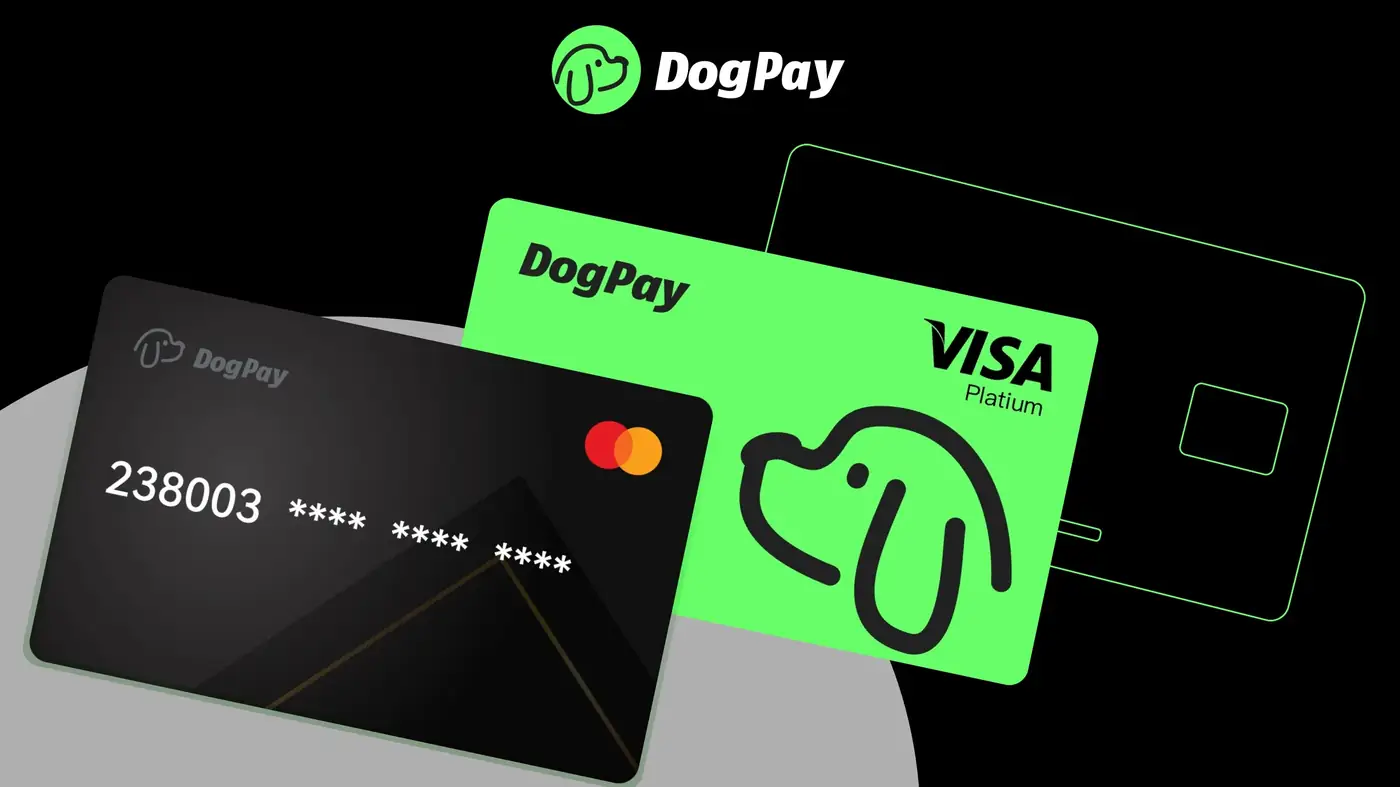
For businesses using Vercel, managing cloud billing can become complex, especially with multiple projects, teams, and fluctuating usage. A dedicated virtual card can help streamline payments and improve spend visibility. DogPay offers virtual cards, global accounts, and stablecoin settlement that can integrate into your payment workflow for Vercel billing.
Before you start, confirm that Vercel accepts card payments from your region and that your DogPay card supports the required card network. If you are unsure, contact Vercel support or check their billing documentation. As with any payment method, there is always a possibility that a payment may be declined due to card issuer or merchant policies. Therefore, it is wise to test with a small payment first.
To set up a DogPay card for Vercel, log in to your DogPay dashboard, create a virtual card, and fund it via stablecoin or other supported methods. Then, in your Vercel billing settings, add the card as your default payment method. You can also set spending limits and monitor transactions through DogPay to keep better track of your cloud costs.
DogPay’s wallet and payment infrastructure offer real-time transaction data, which can help you allocate costs across departments or projects. For global teams, DogPay’s global accounts may simplify cross-border payments. While DogPay does not automatically refill cards, you can manually top up as needed.
In summary, DogPay can help businesses manage Vercel billing with dedicated virtual cards, global accounts, stablecoin settlement, and spending controls. By integrating DogPay into your payment workflow, you gain more visibility and flexibility over your cloud expenses. Always review current terms and test compatibility to ensure a smooth billing experience.