DogPayCard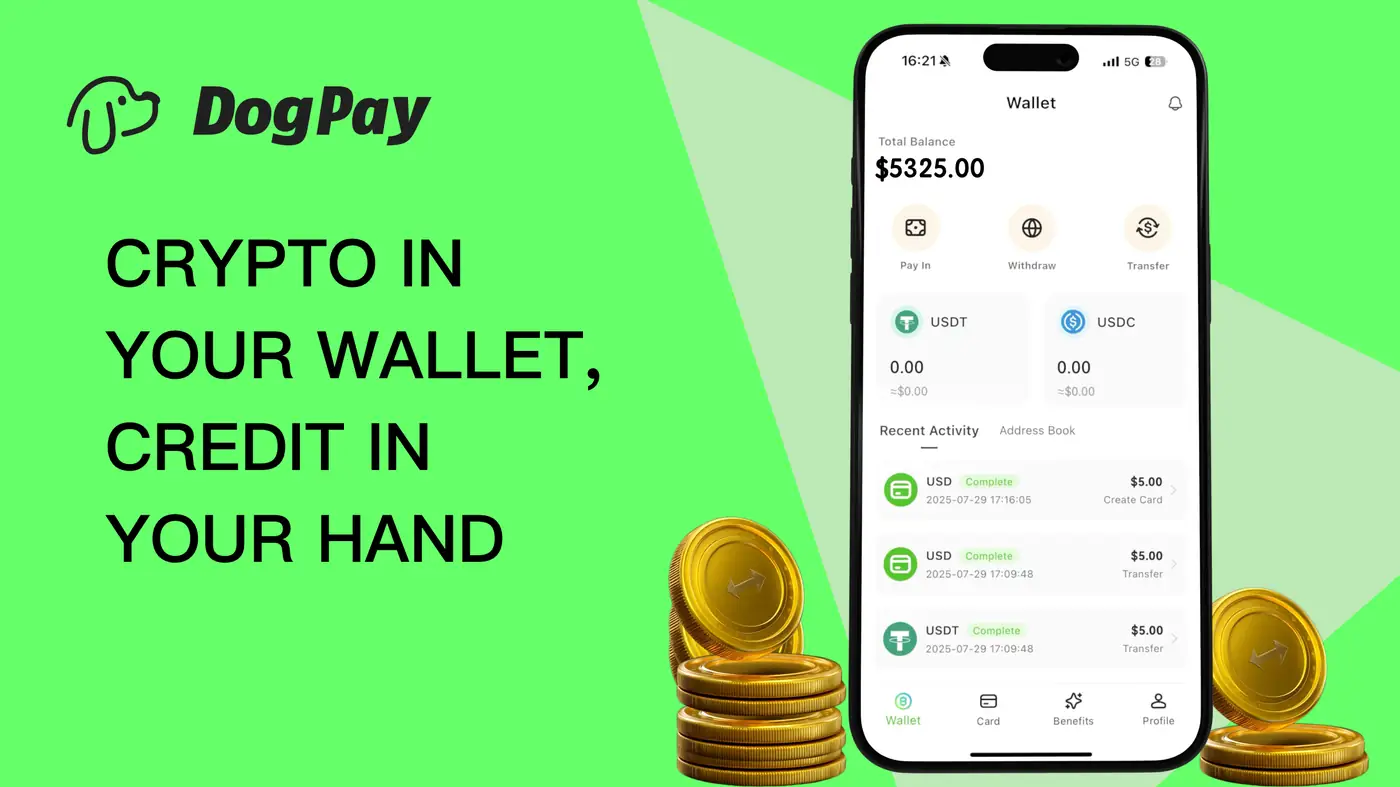
Businesses holding USDT often need a practical way to use those funds for everyday expenses like software subscriptions, ad campaigns, or contractor payments. A virtual card funded by USDT can bridge that gap, offering a familiar payment method while keeping treasury in stablecoins.
The typical workflow starts with a digital wallet or exchange where you hold USDT. From there, you initiate a transfer to a platform that supports stablecoin settlement and virtual card issuance. After the transfer is confirmed, the platform allocates funds to a dedicated virtual card balance. You can then use the card details for online purchases or add it to a mobile wallet for contactless payments.
Key considerations include transaction speed, network fees, and currency conversion. Some platforms may convert USDT to fiat at settlement, while others allow direct stablecoin payments. Choose a provider that aligns with your accounting and tax requirements.
For global SaaS teams, this approach can simplify paying international vendors and ad platforms without traditional bank transfers. However, not all merchants accept virtual cards, so always have a backup payment method.
DogPay can support this workflow by offering dedicated virtual cards, global account capabilities, and stablecoin settlement infrastructure. It provides wallet and payment tools, spend visibility, and operational controls that help businesses manage USDT-funded card spending effectively.