DogPayCard
For businesses operating in digital finance, controlling spend across multiple teams, geographies, and payment rails is a constant challenge. DogPay provides tools that can help finance leaders establish clearer oversight without locking teams into rigid processes.
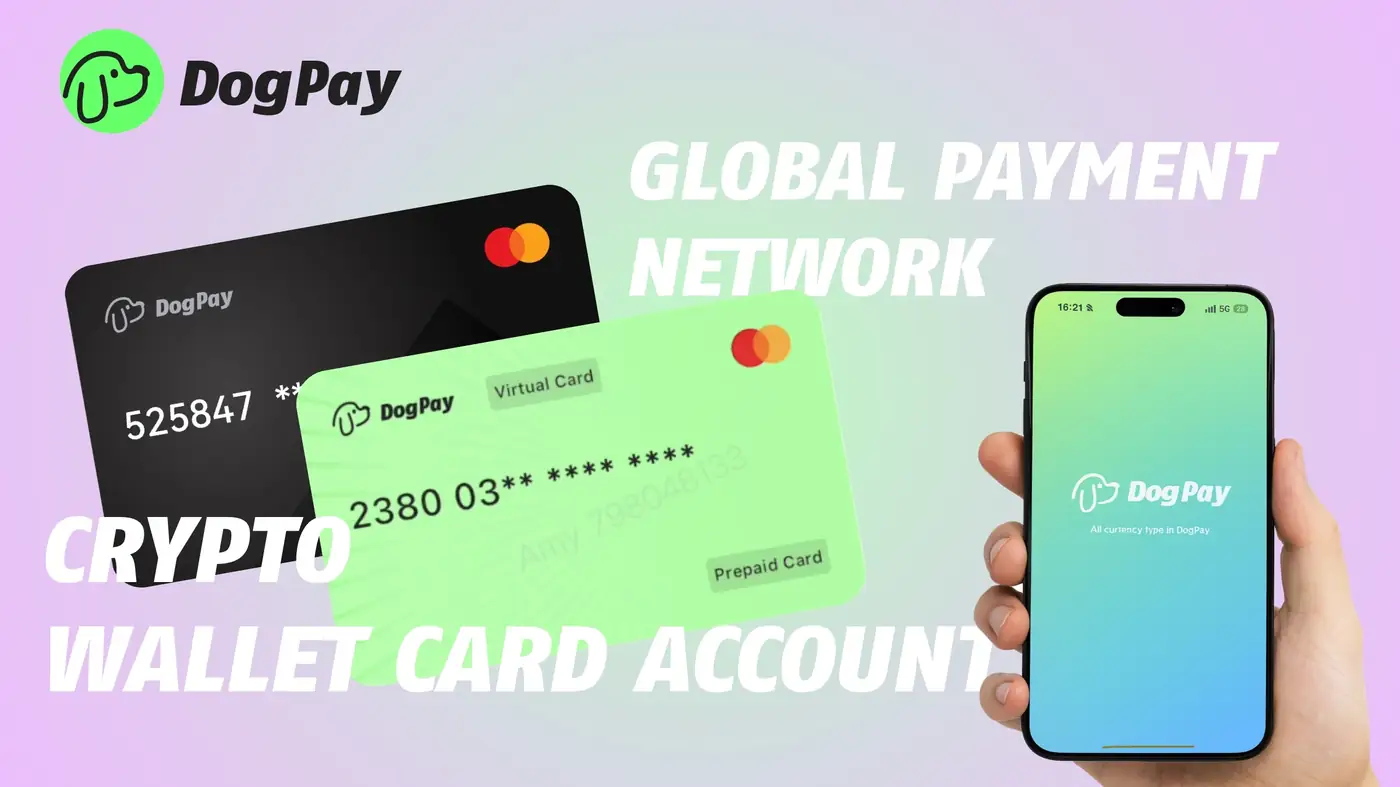
With DogPay, you can issue dedicated virtual cards for specific projects or departments. This allows you to set default limits and track transactions in real time, making it easier to identify unusual spending patterns before they become problems. The global accounts feature supports stablecoin settlement, which can reduce the friction of cross-border payments and provide a unified view of balances across different currencies.
DogPay also offers wallet and payment infrastructure that can be integrated into your existing workflows. By using a single platform for card issuance, account management, and transaction data, you gain better visibility into where money goes. This visibility is key to enforcing budgets and aligning spending with strategic priorities.
Importantly, DogPay does not claim to eliminate all financial risks. Instead, it provides the structure and data you need to make informed decisions. For example, you can review spending by category, merchant, or team, and adjust limits as business needs evolve.
In practice, businesses can use DogPay to separate operational expenses from capital expenditures, manage vendor payments via stablecoins, and give remote teams access to funds without exposing the main treasury. The platform's focus on compliance helps ensure that transactions meet regulatory standards, although approval is not guaranteed.
DogPay fits into your payment workflow as a central hub for spend control: create cards, fund them via global accounts, monitor transactions in real time, and settle balances using stablecoins. This approach can help your finance team maintain control while supporting innovation in digital finance.