
How Can Businesses Use DogPay for Corporate Card Spend? Practical Setup
 DogPayCard Editorial
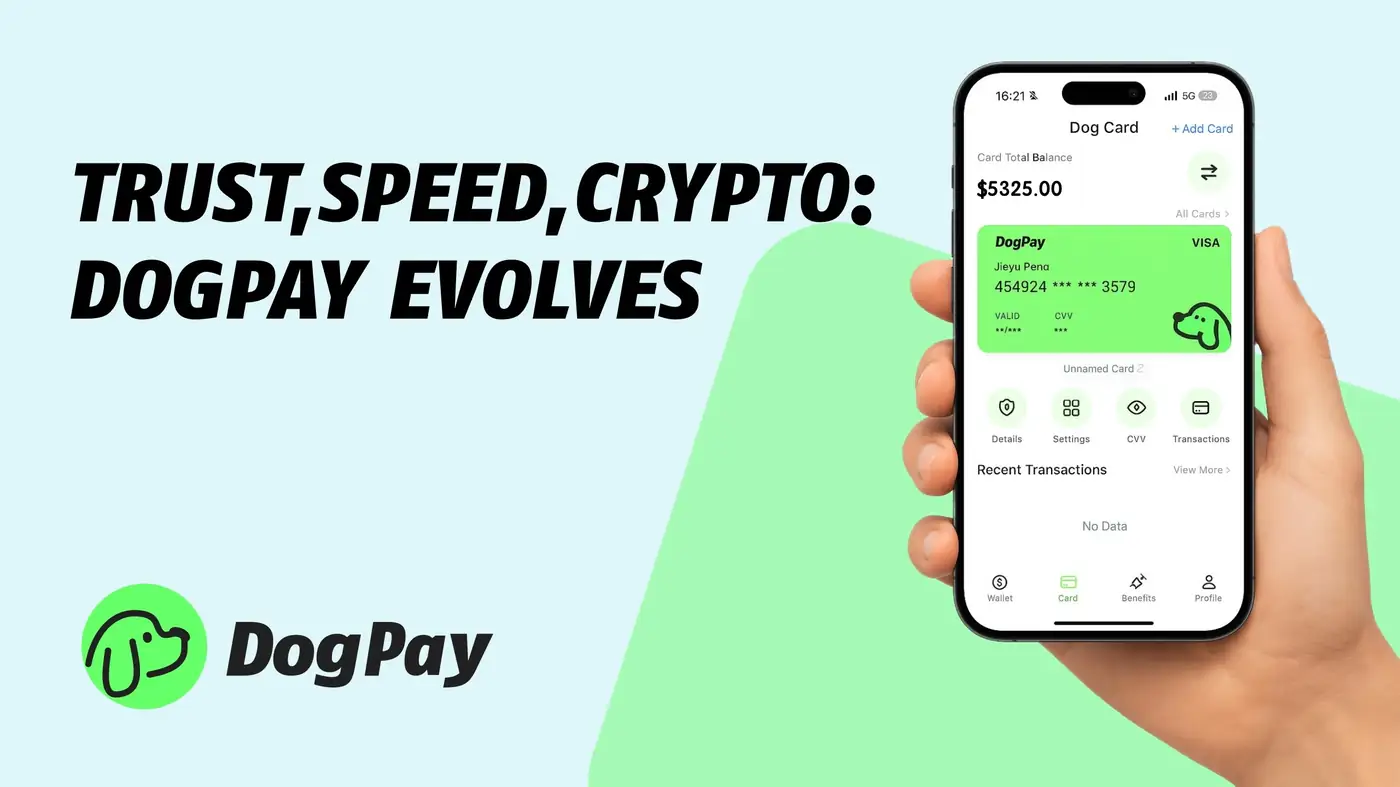
A corporate card program works best when card issuance, limits, and reconciliation stay connected. DogPay can help businesses build a practical card workflow around virtual cards and global accounts, with payment infrastructure that supports stablecoin settlement and clearer spend visibility.
Start by defining who needs to pay and what they buy. Teams often separate software subscriptions, vendor invoices, ad platforms, and travel. With DogPay, a business can create dedicated virtual cards for specific purposes or teams, which can make it easier to track which card belongs to which budget.
Next, set practical controls. Assign card limits based on expected spend, keep a record of the owner and purpose, and review transactions regularly. This approach supports spend visibility without relying on one shared card number across the company.
For cross-border needs, DogPay can help with global accounts and payment operations, including wallet and payment infrastructure. Businesses can explore stablecoin settlement where it fits their treasury or payout process, while keeping internal approvals and accounting records aligned.
Operationally, treat DogPay cards as part of a broader payment workflow: request, approval, card issuance, transaction review, and reconciliation. Document who can issue cards, who can adjust limits, and how disputes or unusual charges are handled.
DogPay fits the payment workflow as a card and account layer for businesses that want dedicated virtual cards, spend controls, global payment reach, and stablecoin settlement options in one operational view. Availability and features can vary, so review current DogPay documentation and confirm what applies to your entity and region.