
How to Use DogPay Webhooks for Virtual Card Reconciliation in Business Spend
 DogPayCard Editorial
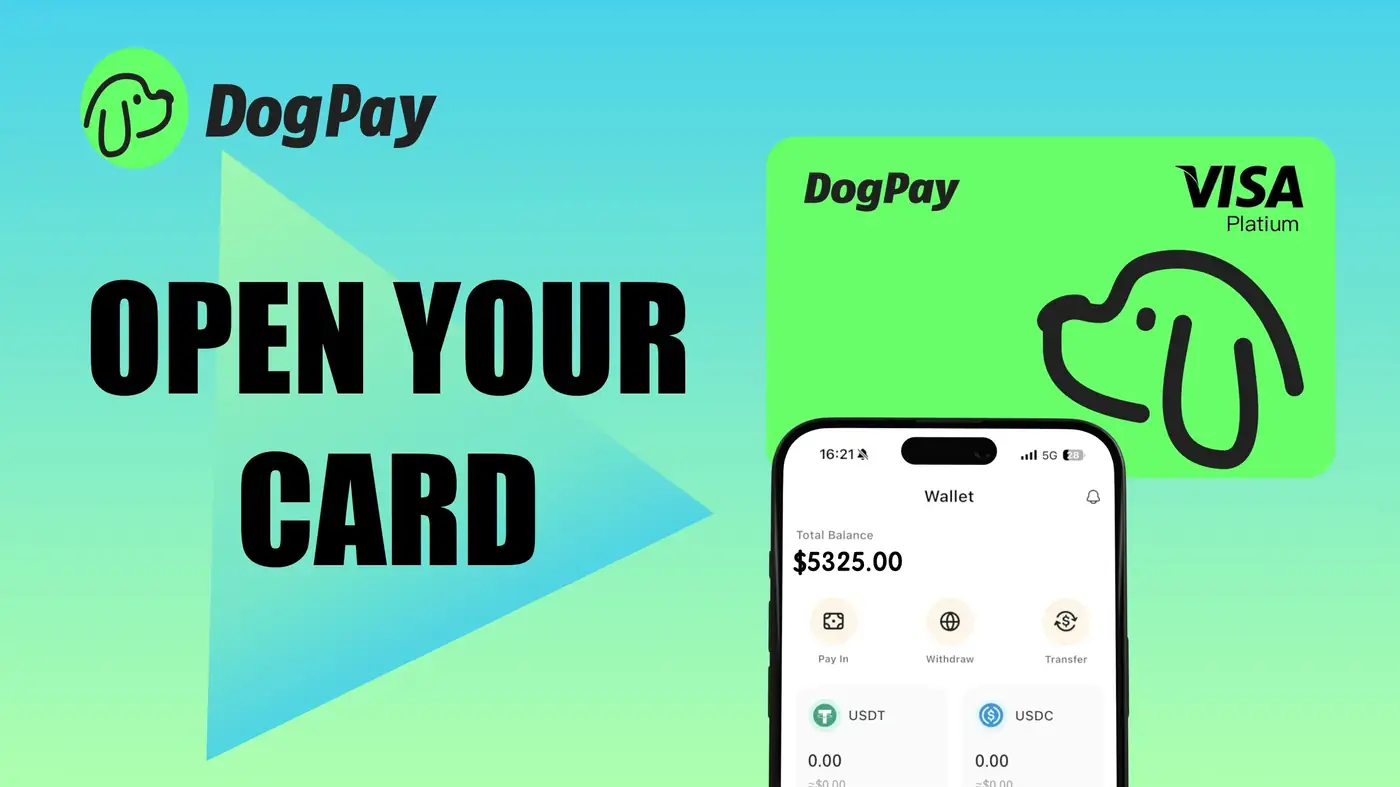
When managing business spend with virtual cards, reconciling transactions against internal records is critical. DogPay offers webhook notifications that trigger on card events such as authorization, settlement, and refund. By integrating these webhooks into your accounting or ERP system, you can automatically update ledgers, match transactions to purchase orders, and reduce manual data entry. To set up reconciliation, you first configure a webhook endpoint in your DogPay dashboard for card transactions. Each event sends a JSON payload containing transaction ID, amount, currency, merchant, and timestamps. Your system processes this data to match against internal records. For example, when a virtual card is used for a SaaS subscription, the settlement webhook can be used to reconcile the expense in your billing system. DogPay supports stablecoin settlement, meaning transaction amounts arrive in USDC or USDT, simplifying cross-border reconciliation. The platform also provides global accounts that can fund cards in multiple currencies, reducing forex complexity. For businesses with high transaction volumes, webhooks enable near-real-time visibility into spend without polling APIs. This approach supports better cash management and audit trails. DogPay can help by providing dedicated virtual cards, global accounts, stablecoin settlement, webhook-based payment infrastructure, spend visibility tools, and streamlined payment operations—allowing teams to focus on growth rather than manual reconciliation.