
Online Payment Card Declined? How Businesses Can Use DogPay
 DogPayCard Editorial
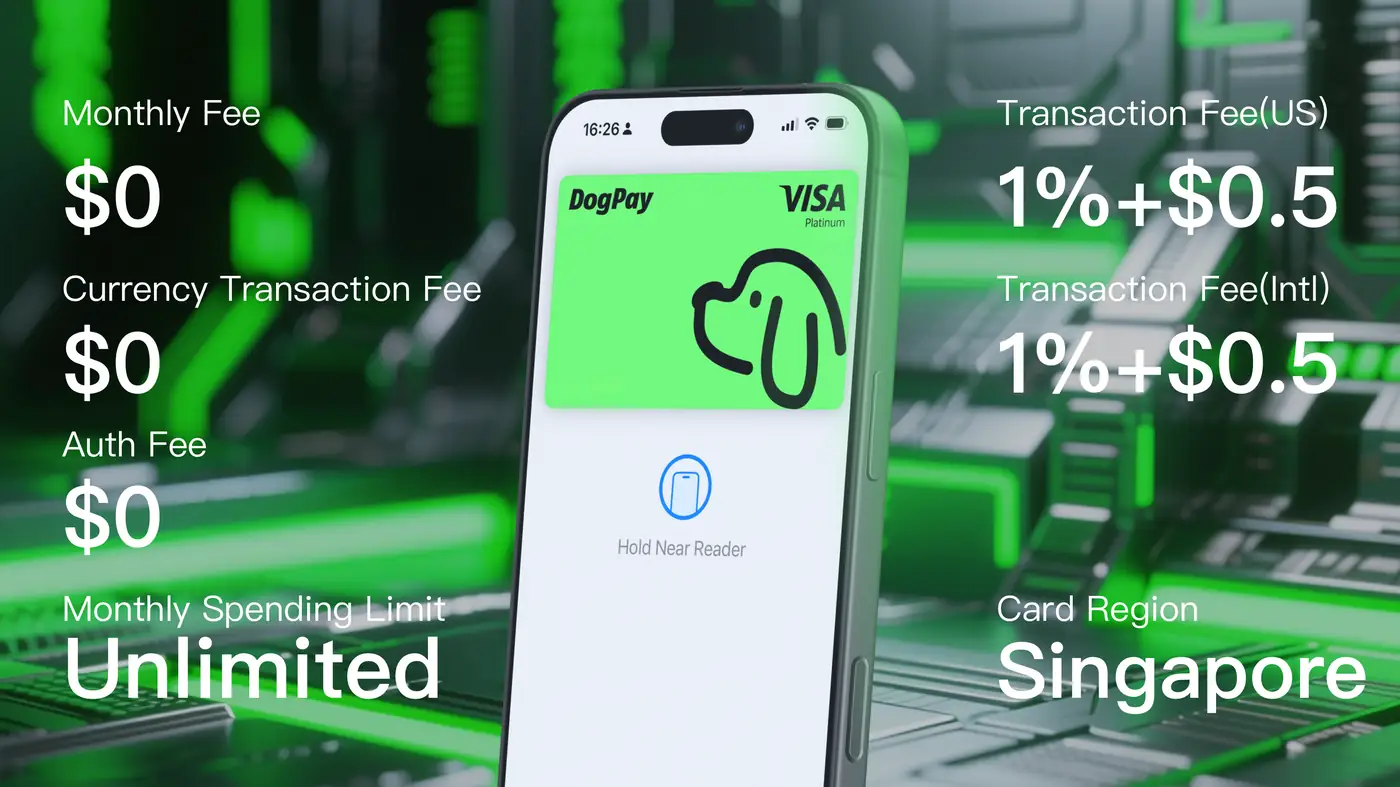
When an online payment card is declined, it typically signals a mismatch between the transaction and the card's parameters, insufficient funds, or a security block. For businesses, this can cause operational friction, delayed SaaS renewals, or failed ad campaigns. DogPay offers virtual cards that can be issued for specific purposes, such as marketing spend, software subscriptions, or team expenses. By assigning dedicated cards to distinct vendors or budgets, businesses can isolate transactions. This makes it easier to pinpoint why a decline occurred, whether it is due to spending limits, currency mismatches, or merchant category restrictions. Additionally, DogPay provides global accounts that allow you to hold funds in multiple currencies. If you are paying an international merchant, funding your card with the correct currency can reduce conversion-related declines. Stablecoin settlement options can also facilitate faster funding when traditional rails are slow. With DogPay's wallet and card management dashboard, you have real-time visibility into pending and completed transactions. This helps you track spend patterns and proactively adjust limits before a card is declined. For recurring payments, you can set card controls to allow continuous billing while preventing one-off large charges. Remember that declines can still occur due to factors outside your control, such as a merchant's payment processor. But using dedicated virtual cards with clear parameters and sufficient balances can reduce common causes. DogPay can help streamline your payment workflow by providing virtual cards, global accounts, stablecoin settlement, and a unified wallet infrastructure. With clear spend visibility and flexible card controls, DogPay is designed to support your business payments without locking you into rigid banking processes.