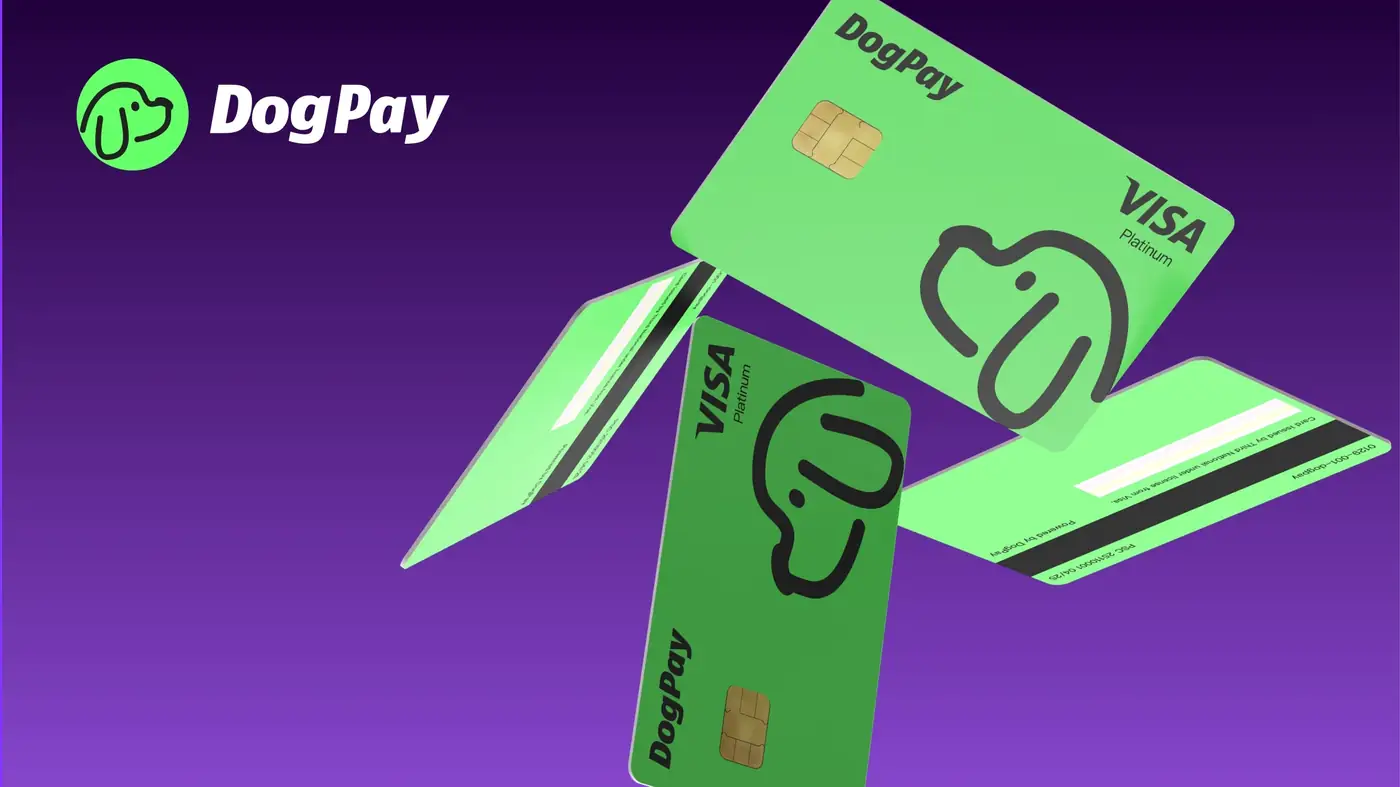
 DogPayCard
A stablecoin payment settles by moving a digital token between wallets under a virtual-asset service provider's terms, while a fiat account transfer moves bank-held money under the rules of the financial institution that holds the account. The two routes differ in who controls the money, what evidence each step produces, and which provider's terms govern eligibility and availability.
This guide sets out the decision criteria, the practical differences, and the cases where each route is a poor fit. It uses only the approved DogPay product facts and does not assume any capability, fee, speed or coverage that is not stated there.
Start with who holds the money and who approves access
In a fiat account transfer, the money sits with a financial institution. DogPay is a digital finance and payment infrastructure platform, not the financial institution that provides a business account. Businesses may apply online for a US-dollar business account and Hong Kong or Singapore multi-currency business account options, but the relevant financial institution provides and independently approves each account, and its opening documents determine the account type, holder and terms. A stablecoin payment, by contrast, depends on virtual-asset services provided by DogPay affiliates to eligible customers, subject to provider terms, applicable law and geographical availability. The first practical question is therefore not which route is faster, but which provider must approve you and on what terms.
Compare the rails and the records each route produces
For fiat, USD transfers may use ACH, SWIFT or Fedwire only where the relevant account and service arrangement support them. After approval, available account features may include international collections, cross-border payments, currency management, transaction records, reconciliation and reporting, with actual currencies, payment rails and functions depending on the institution, account, product and jurisdiction. For stablecoins, USD and supported stablecoin conversion or settlement and crypto payment gateway services are provided by affiliates to eligible customers. In both cases, confirm with the relevant financial institution or service provider which rails, currencies and reporting outputs apply to your specific account or arrangement before you design a process around them.
Use a short decision checklist before choosing a route
Work through these points in order and record the answer for each:
1. Which entity must approve access, and what do its opening or onboarding documents say about the holder and terms? 2. Which currencies and rails are actually available to your account, product and jurisdiction? 3. What transaction records, reconciliation and reporting outputs will you receive, and do they match your ledger? 4. Which provider terms, laws and geographical limits apply to the stablecoin side? 5. Who on your team owns each step, and what evidence is retained at each step?
Completion check: you should be able to name the approving institution or provider, the governing terms, and the record produced for every step before any payment is sent.
Know where each route is a poor fit
A fiat account transfer is a poor fit if your process assumes rails or currencies that your specific account and arrangement do not support, or if you have not yet been approved by the financial institution. A stablecoin payment is a poor fit if your counterparties or your own controls cannot work within affiliate provider terms, applicable law and geographical availability, or if you need a capability the approved facts do not confirm. In both cases, no account approval, payment acceptance, fee, exchange rate, speed, coverage or business outcome is guaranteed, so a route that depends on any of these being fixed should be treated as unconfirmed until the provider says otherwise.
Document both flows the same way
Keep one record per flow showing the approving entity, the governing terms, the currencies and rails used, the transaction records received, and the reconciliation and reporting outputs. Where a fact is not in the approved product information, note it as pending confirmation from the relevant financial institution or service provider rather than filling the gap with an assumption.
FAQ
Is a stablecoin payment the same as a bank transfer? No. A fiat account transfer moves money held at a financial institution under that institution's terms; a stablecoin payment moves a digital token under a virtual-asset service provider's terms.
Does DogPay provide the business account? No. DogPay is a digital finance and payment infrastructure platform, not the financial institution that provides the account; the institution approves each account independently.
Can I assume ACH, SWIFT or Fedwire is available? No. USD transfers may use these rails only where the relevant account and service arrangement support them.
Are stablecoin services available everywhere? No. They are provided by DogPay affiliates to eligible customers, subject to provider terms, applicable law and geographical availability.
Source and verification note
This article relies solely on the official DogPay product page at https://dogpay.com/hk/global-bank. No other sources were used or browsed. Verify account, rail, currency and stablecoin details directly with the relevant financial institution or DogPay affiliate before relying on them.
Scope and limitations
This guide describes how to compare the two routes; it does not confirm availability, eligibility, cost, speed or coverage for any business. Actual currencies, payment rails and functions depend on the institution, account, product and jurisdiction, and stablecoin services depend on affiliate provider terms, applicable law and geographical availability. Confirm every specific term with the relevant financial institution or service provider.