DogPayCard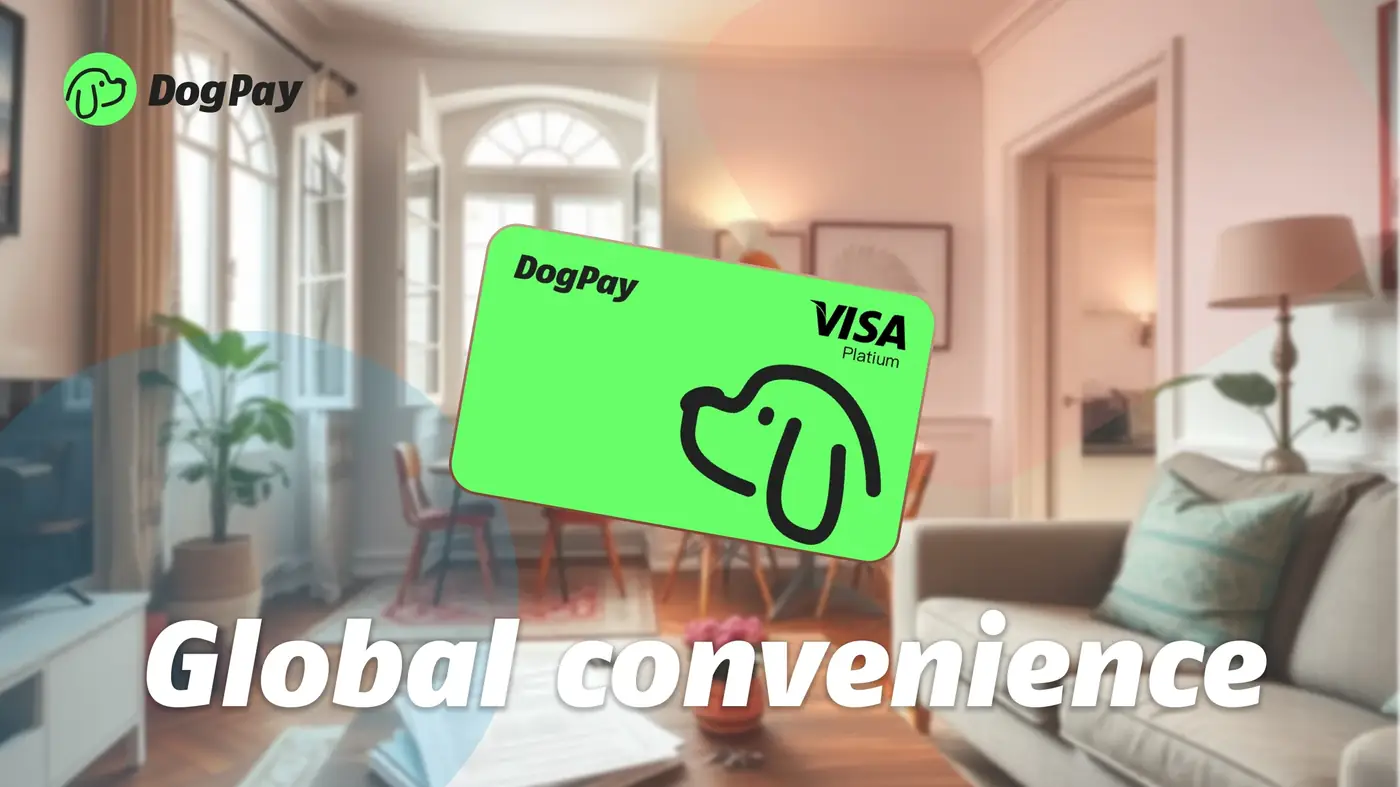
Businesses often ask whether virtual cards or physical cards are the right fit for their operations. DogPay supports both, but each serves different payment scenarios. Virtual cards are digital payment credentials generated in your DogPay account. They can be particularly useful for online purchases, subscription services, software tools, and any recurring or one-time web transaction. Since they exist only in digital form, virtual cards can help reduce the risk of physical card theft and can be issued quickly for new projects or team members. Physical cards, on the other hand, are tangible plastic cards designed for in-person spending—business travel, client meetings, or team offsites. They are also handy for situations where a merchant only accepts physical card entry.
When deciding, consider your primary use case. If your business operates mostly online—paying for cloud services, ad platforms, or ecommerce vendors—virtual cards can be a convenient and potentially more secure option. If your team frequently makes on-the-ground purchases, physical cards are the practical choice. Many businesses use both: virtual cards for all remote transactions and physical cards for field staff. DogPay can help with dedicated card issuance, whether virtual or physical, and offers spend visibility through transaction records. Note that card acceptance depends on the merchant and network, and issuing physical cards may involve delivery logistics. For teams that need to separate budgets across departments or projects, both card types can be allocated to specific wallets or accounts, giving managers a clearer view of spending patterns. Ultimately, the best approach is to evaluate your payment mix, then use DogPay's card management features to issue the right card for each expenditure. DogPay can help streamline your payment workflow by enabling you to issue virtual and physical cards for fiat or stablecoin-backed spending, manage them from a unified dashboard, and maintain visibility across global transactions—so your team can focus on growth rather than administrative payment tasks.