
How Can Businesses Use DogPay Virtual Cards for Everyday Payment Operations?
 DogPayCard Editorial
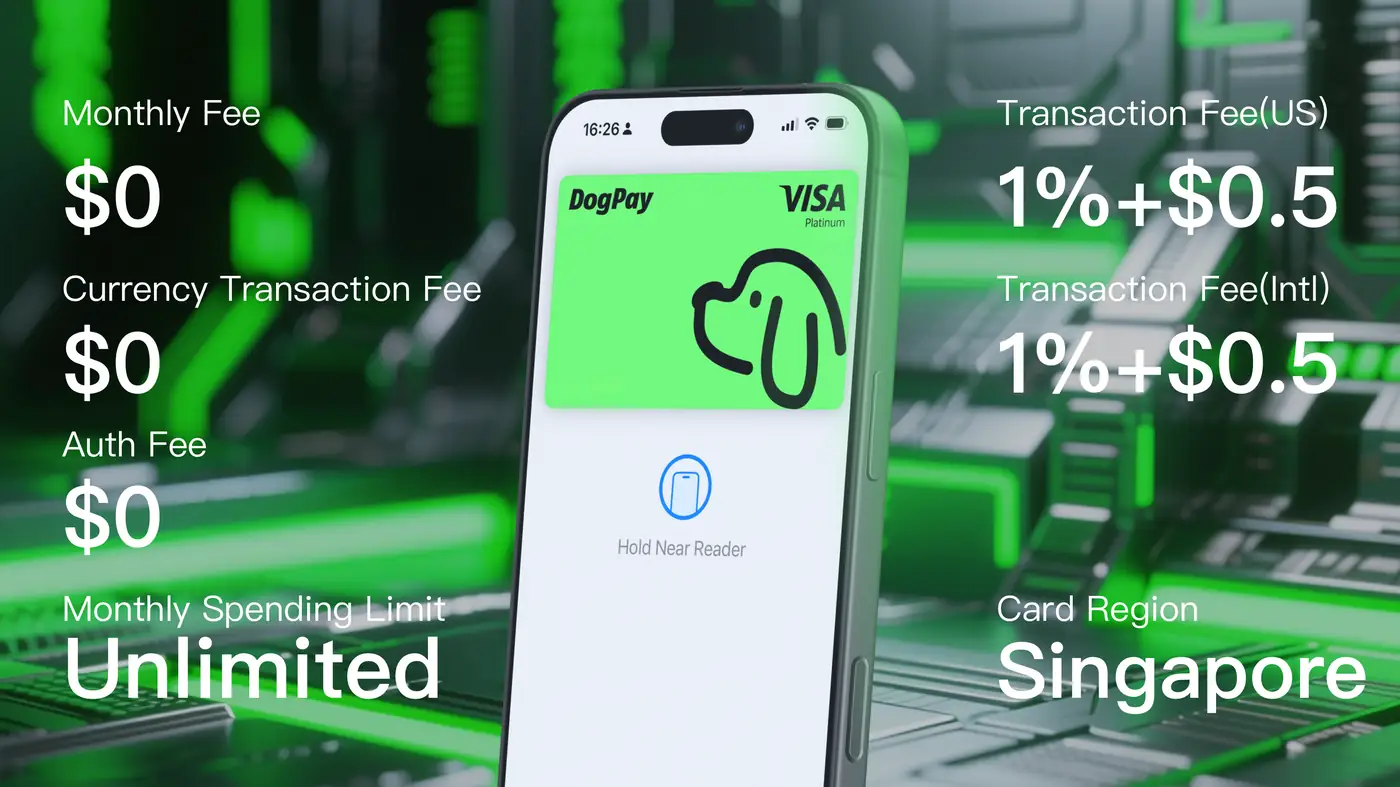
Businesses often need a payment method that separates spend by team, vendor, or purpose. DogPay virtual cards can fit into that workflow by giving each use case a dedicated card number rather than sharing one company card across many services. This can help finance teams see which budget owner is responsible for a charge and review activity in a more structured way.
A common approach is to issue a virtual card for a specific subscription, ad account, or vendor. When the subscription changes or the vendor relationship ends, the card can be closed or replaced without affecting other payments. For global software and services, a virtual card can work alongside a global account setup, depending on the merchant and region. Stablecoin settlement and wallet infrastructure may also support treasury and payment operations where applicable.
DogPay virtual cards are not a guarantee of merchant acceptance or approval. Businesses should confirm card acceptance with each vendor and check that the card currency and billing details match the merchant requirements. Spend visibility comes from assigning cards to owners and reviewing transactions regularly, not from assuming every charge will clear automatically.
For day-to-day operations, teams can use virtual cards for software subscriptions, contractor tools, cloud services, and ad platforms where cards are accepted. Finance can set internal rules for who requests a card, what limit applies, and how receipts are collected. This keeps payment operations organized without promising automatic top-ups or third-party integrations that are not part of the setup.
DogPay fits the payment workflow by offering virtual cards, global accounts, stablecoin settlement, and wallet/payment infrastructure that businesses can use to manage spend across teams and vendors. It supports payment operations and spend visibility, while final acceptance and card performance depend on the merchant, region, and account status.