
How Businesses Use DogPay for Virtual Card vs Physical Card Spend Control
 DogPayCard Editorial
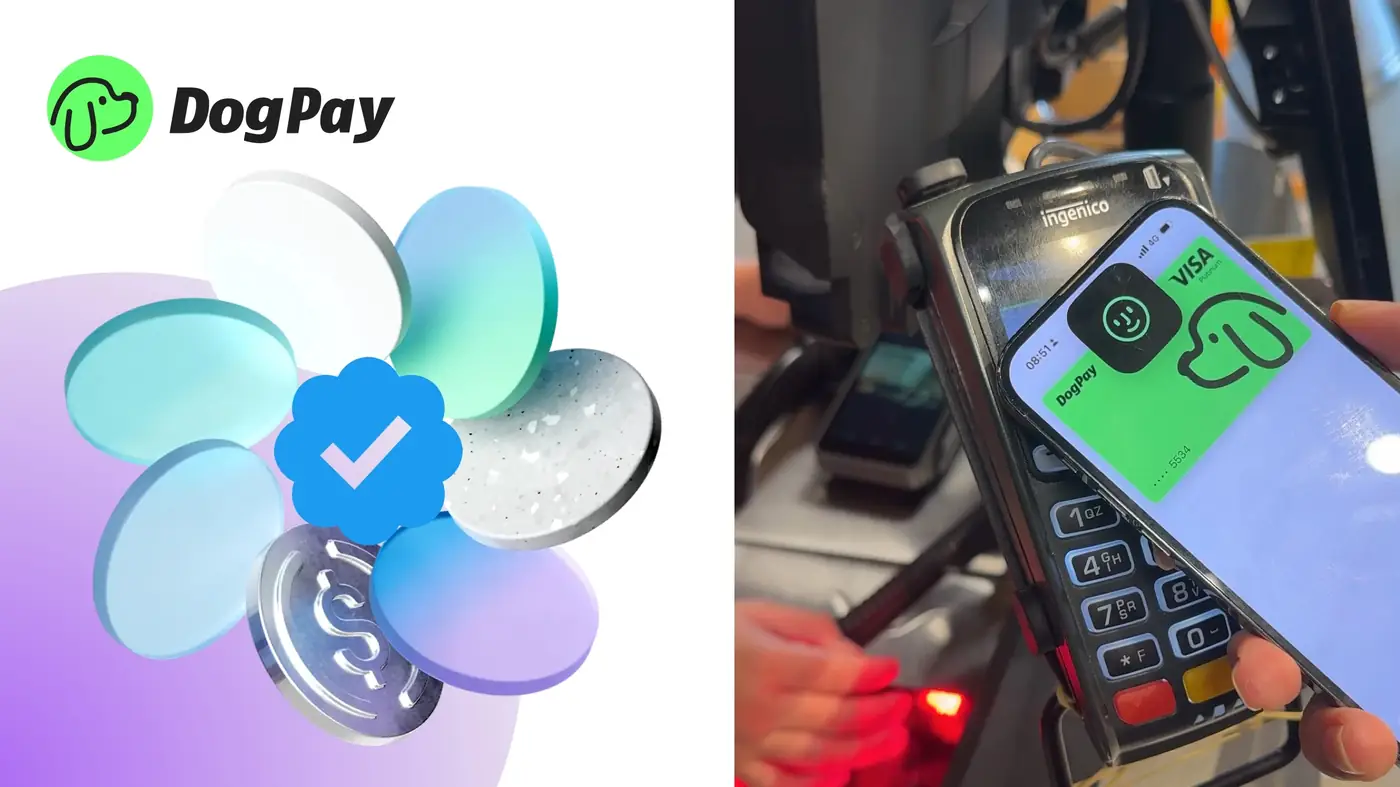
When businesses choose between DogPay virtual cards and physical cards, the decision often depends on the spending context. Virtual cards offer unique advantages for online transactions, subscription management, and one-time use, reducing fraud risk by limiting exposure of card details. They can be issued instantly and assigned to specific budgets or departments, providing granular spend control through DogPay's dashboard. Physical cards, on the other hand, are better suited for in-person purchases, travel expenses, or situations where a tangible card is required. Both card types support stablecoin settlement and can be funded from DogPay's global account, which integrates fiat and crypto balances. For recurring payments like SaaS subscriptions or ad spend, virtual cards allow businesses to set spending limits and pause or cancel cards without affecting other operations. Physical cards offer similar controls but are used offline. DogPay's platform enables businesses to issue both card types, track transactions in real time, and reconcile expenses through detailed reports. The choice between virtual and physical ultimately comes down to the payment environment and level of control needed. Many businesses use a mix: virtual for online and remote spending, physical for on-the-go needs. DogPay can help with dedicated cards, global accounts, stablecoin settlement, wallet/payment infrastructure, spend visibility, and payment operations, allowing businesses to tailor their spend management approach. Neither card type is inherently superior; the best fit depends on your team's specific workflows and where payments occur.