
How Can Businesses Use DogPay for Business Cards on Online Software?
 DogPayCard Editorial
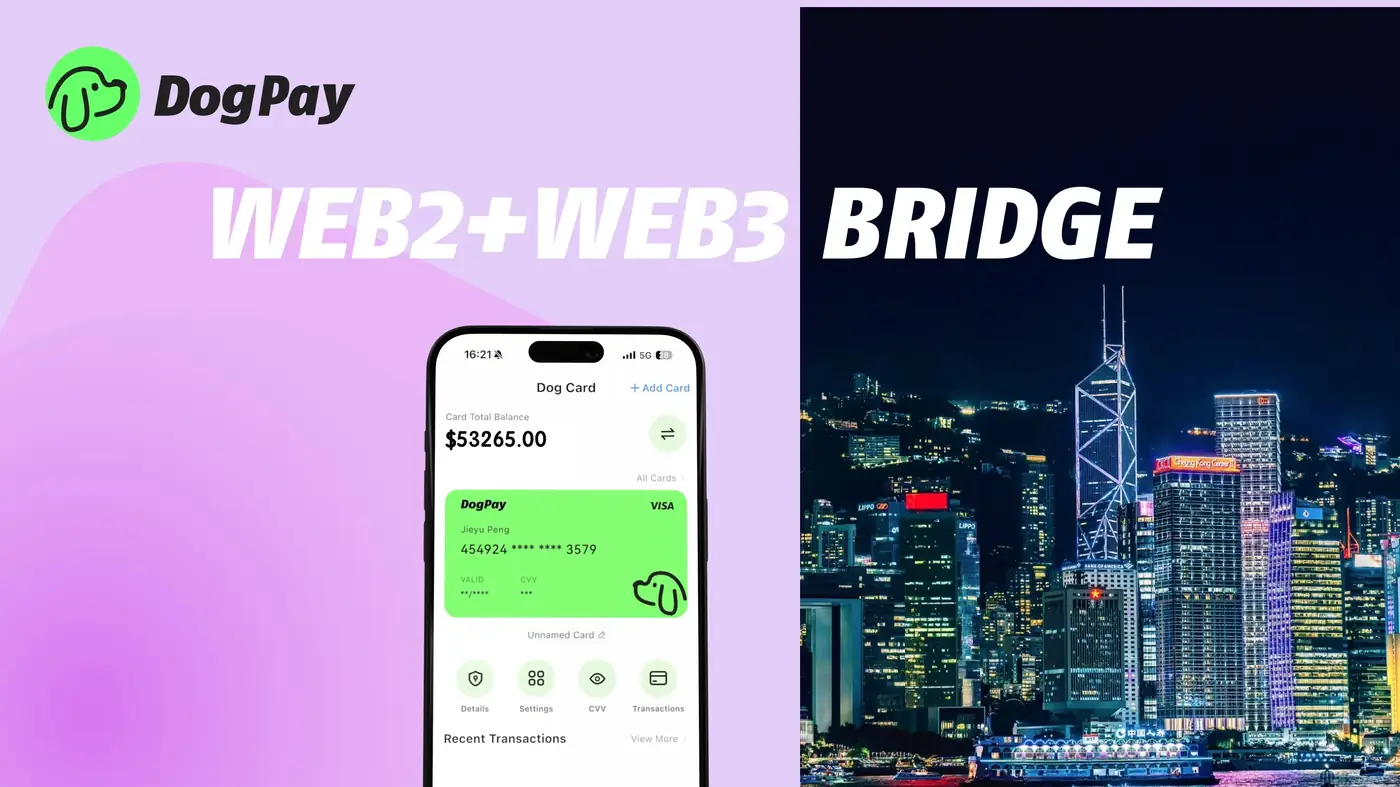
Online software payments are rarely one-time events. Teams pay for design tools, analytics platforms, AI assistants, hosting, and collaboration apps on recurring cycles. A dedicated card can make these payments easier to manage than mixing software spend with general company cards.
DogPay can help businesses create a clearer setup for online software payments. A virtual card can be assigned to a specific vendor, team, or subscription group. That makes it simpler to review charges, spot duplicates, and decide whether a tool is still needed. It also keeps software payments separate from other business expenses.
For global SaaS, currency and settlement can add friction. DogPay can support global accounts, stablecoin settlement, and wallet or payment infrastructure, depending on the business setup. These options may help teams manage cross-border software costs with more flexibility. They do not guarantee approval, acceptance, or uninterrupted payments.
Operationally, businesses can treat software cards as part of a spend control process. Set clear owners for each card, review recurring charges before renewal dates, and keep vendor details in one place. If a card declines, a team can respond faster when the card is tied to one vendor rather than many.
Teams can also use cards to separate production tools from trials. A trial card can have a lower limit, while a core system card can be managed with more oversight. This approach supports visibility and makes it easier to explain software spend during budgeting or audits.
DogPay fits the payment workflow by offering dedicated cards, global accounts, stablecoin settlement, and payment operations support for businesses that pay online software vendors. It can help teams organize software spend, improve visibility, and keep vendor payments moving when card issues arise.