DogPayCard
Global SaaS firms often need to pay international contractors, vendors, and cloud services while managing cash flow across different currencies. Traditional bank transfers can be slow and costly, especially when dealing with multiple currencies. DogPay offers a modern alternative by enabling stablecoin payments via USDC, USDT, or DAI, which settle quickly and can be converted to fiat for spending.
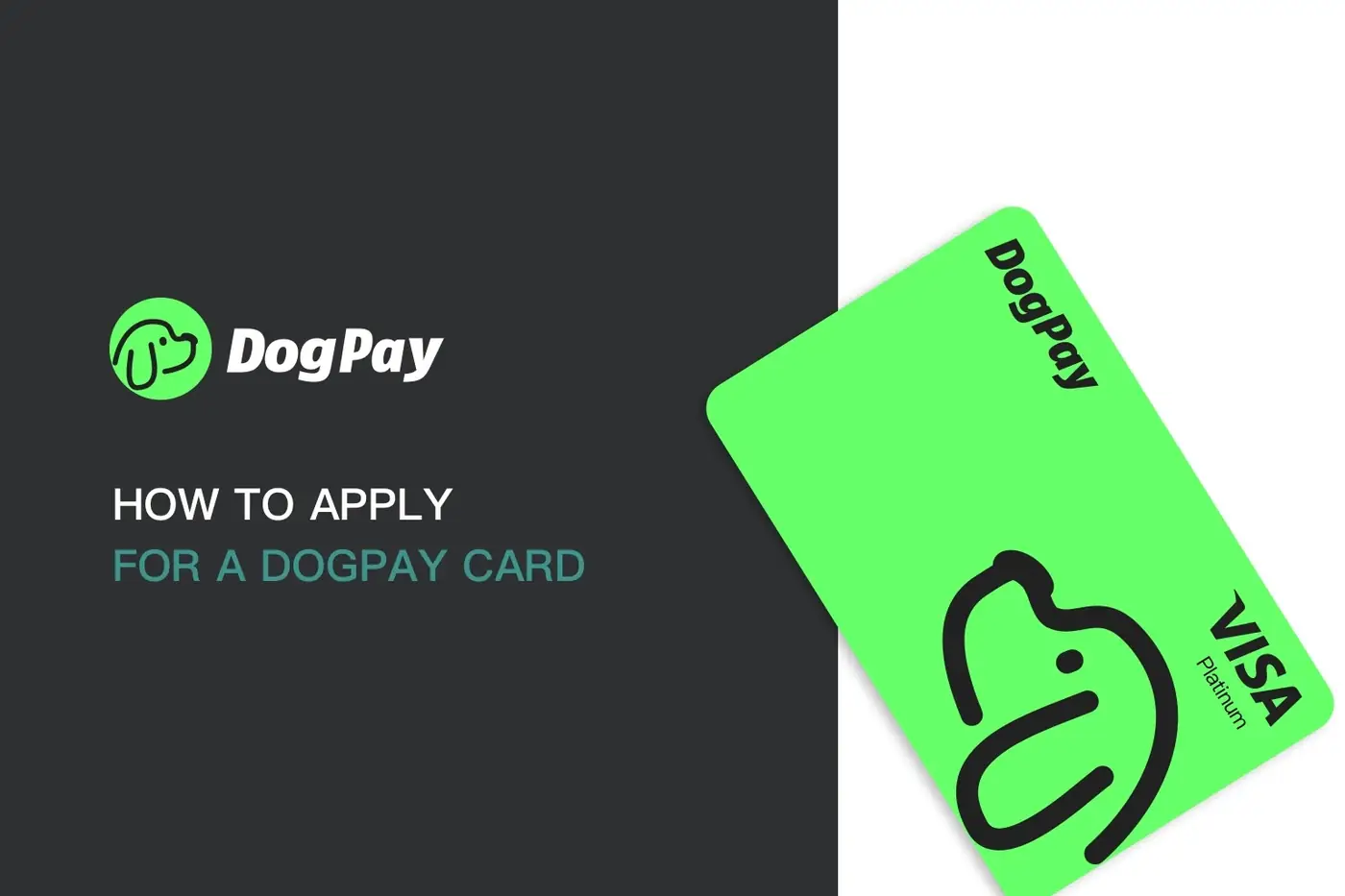
DogPay provides dedicated virtual cards linked to your stablecoin balance, allowing you to make payments in over 150 currencies without needing a traditional bank account. The global account feature holds stablecoins and supports instant exchanges, so you can pay invoices in local currencies while keeping your reserves in crypto. This reduces exposure to FX volatility and speeds up payment cycles.
For spend control, DogPay gives you visibility into each transaction through a dashboard that tracks spending by team, category, or vendor. You can set spending limits on individual cards and revoke them instantly if needed. However, note that DogPay does not automatically top up cards—you must manually refill balances, and acceptance depends on the merchant’s card network support.
DogPay also integrates with popular accounting tools via CSV exports, though native integrations are not available. This helps reconcile payments without manual entry. While DogPay is not a bank, it partners with regulated financial institutions to issue cards and hold funds, ensuring compliance with KYC/AML standards.
In summary, DogPay helps global SaaS companies manage stablecoin payments and multi-currency spend by providing dedicated cards, global accounts, stablecoin settlement, spend visibility, and payment operations support. It fits into your workflow as a bridge between crypto holdings and everyday business expenses, making international payments faster and more flexible.