DogPayCard
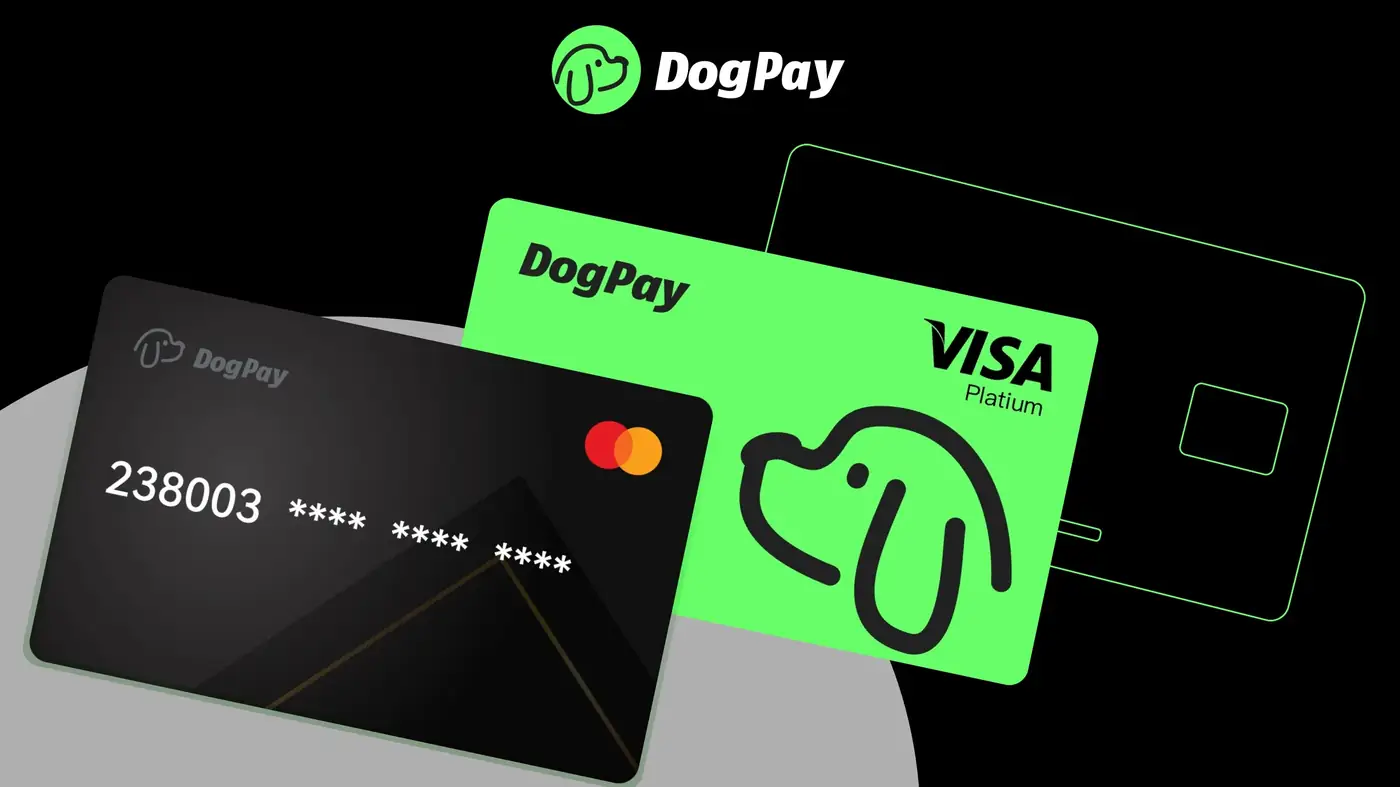
For businesses running workloads on Google Cloud, managing billing across projects and teams can become complex. DogPay virtual cards offer a practical way to organize cloud payments by providing dedicated card details for each project or cost center. This approach helps you track spending, control usage limits, and simplify reconciliation.
To begin, you would typically add your DogPay virtual card as a payment method in the Google Cloud billing account. Because these cards are virtual and can be created on demand, you can generate a unique card for each subscription or project, reducing the risk of accidental overspend and making it easier to identify charges.
DogPay's platform supports global account capabilities and stablecoin settlement, which can be useful for teams operating across borders or dealing with multiple currencies. The wallet infrastructure enables you to fund cards as needed, while spend visibility tools help you monitor usage and adjust budgets in real time.
It is important to note that DogPay does not guarantee acceptance by Google Cloud or any merchant, and you should verify that the card works in your billing setup. However, for many businesses, the combination of dedicated virtual cards, spending controls, and streamlined payment operations makes DogPay a valuable addition to cloud billing workflows.
In practice, DogPay fits into your payment operations by offering a flexible card issuance layer that works alongside your existing financial stack. Whether you need to manage recurring cloud charges, cap spending per team, or improve reconciliation, DogPay provides the infrastructure to handle these tasks efficiently.