DogPayCard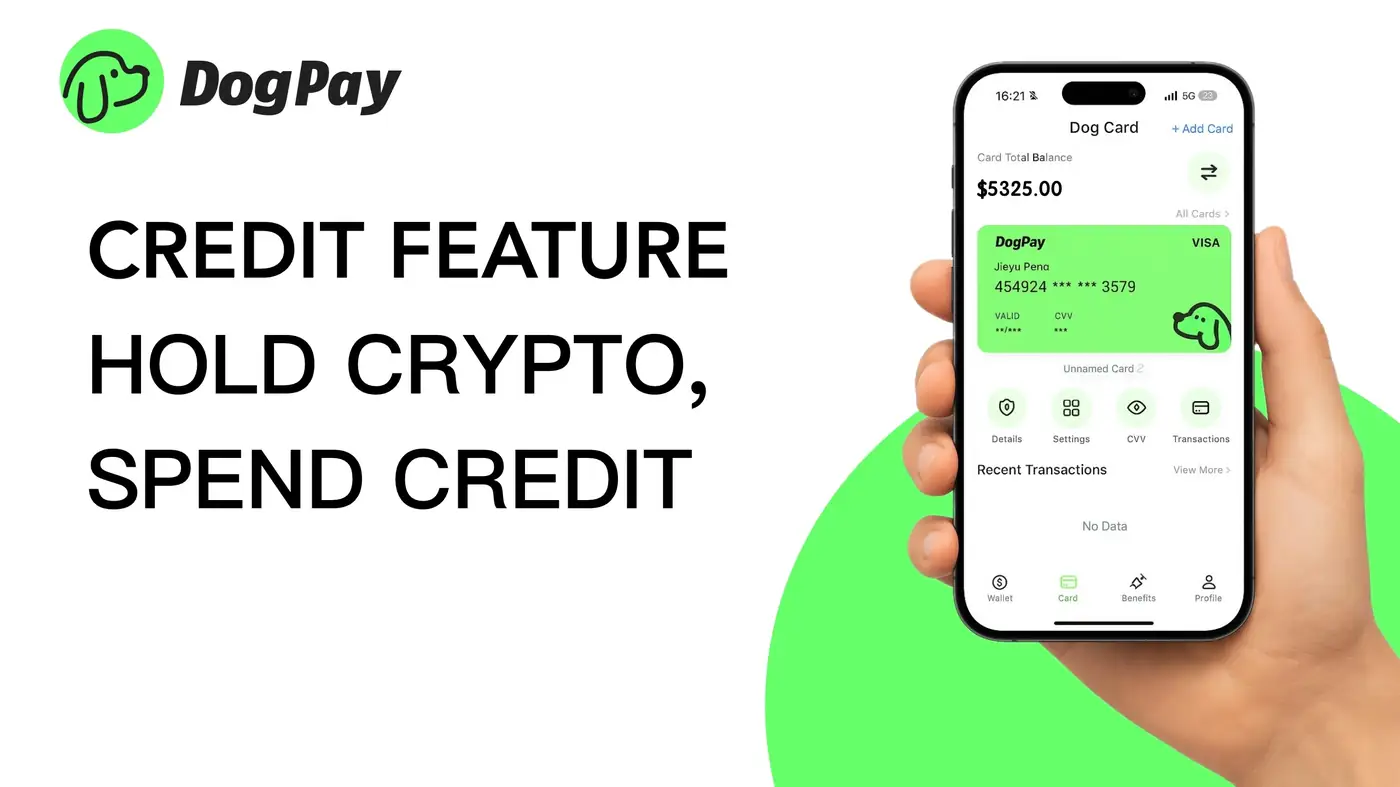
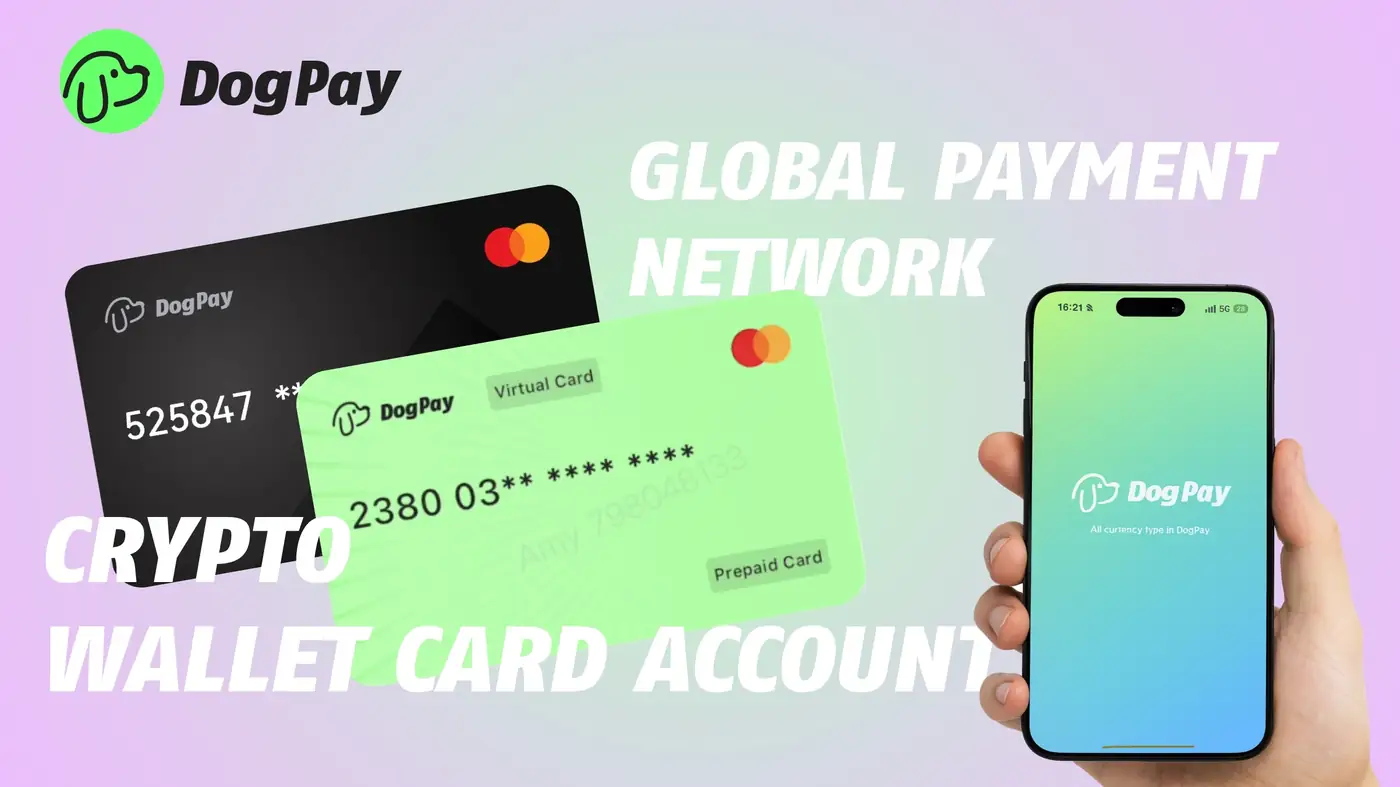
For businesses transacting in USDC, maintaining control over spending is a top priority. DogPay offers a practical approach by combining virtual cards with stablecoin settlement, giving finance teams a way to manage payments without converting to fiat.
With DogPay, you can create dedicated virtual cards for specific departments, projects, or vendors. This segmentation allows you to set individual card limits, which can help prevent overspending. Additionally, real-time transaction data gives you visibility into where funds are going, making it easier to reconcile expenses and adjust budgets.
The platform also supports global accounts, which can be useful for businesses operating across borders. By using USDC for settlement, you may reduce the friction associated with traditional banking corridors.
DogPay's infrastructure is designed to support stablecoin payments, but it's important to note that card acceptance depends on the merchant. Not all vendors accept virtual cards, and some may have restrictions. Therefore, it's wise to verify acceptance before relying solely on this method.
For teams seeking to streamline payment operations, DogPay can help. Its wallet and payment infrastructure enable you to manage funds and cards from a single interface, reducing administrative overhead.
In summary, DogPay offers tools that can assist businesses in controlling USDC spend through virtual cards, with features like spend visibility and dedicated cards. While it doesn't guarantee approval or acceptance, it provides a framework for more disciplined stablecoin spending.