
Virtual Card vs Prepaid Card: How Can Businesses Use Both with DogPay?
 DogPayCard Editorial
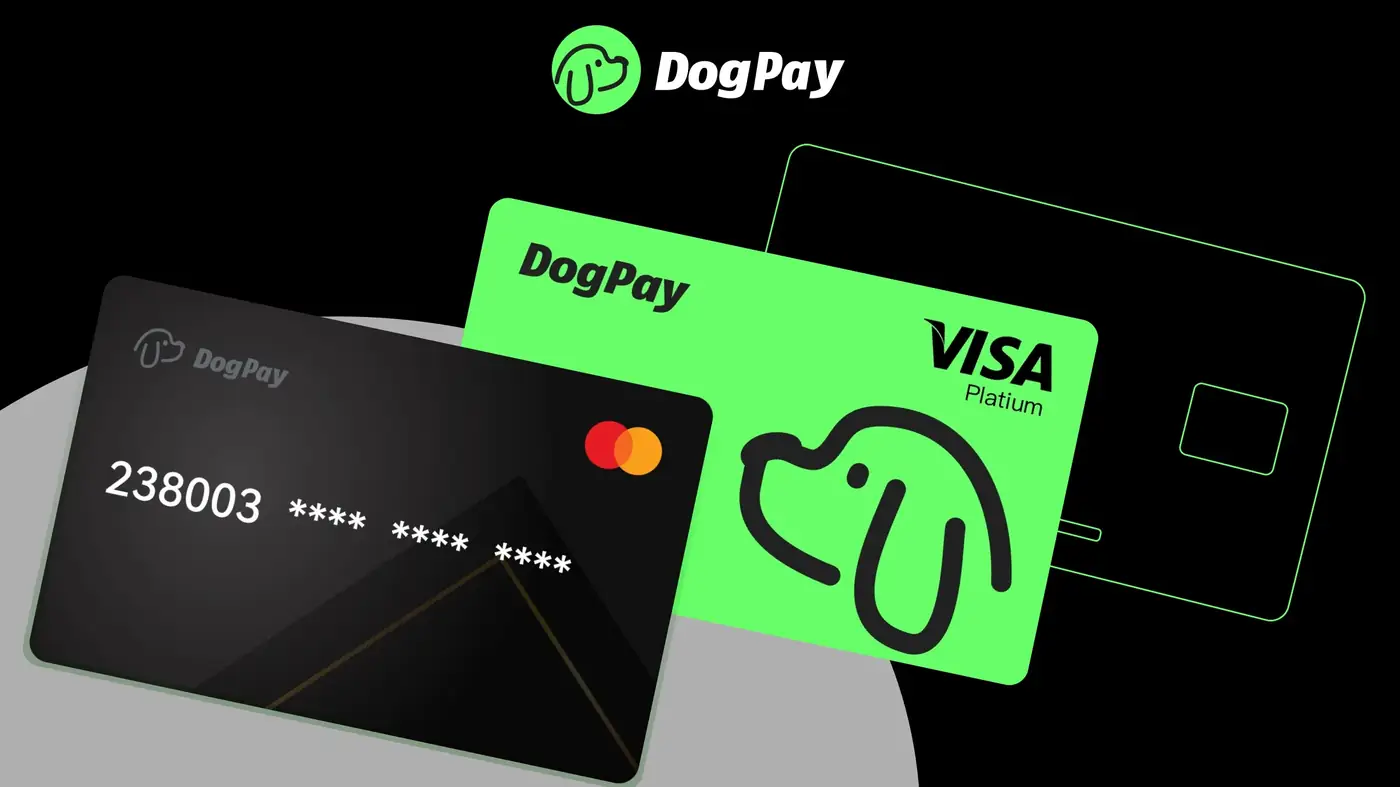
Businesses often ask whether to use virtual cards or prepaid cards for managing expenses. Both have unique strengths. Virtual cards are digital, issued instantly, and ideal for one-time use or recurring online payments. They help control spend by setting limits per vendor and reducing fraud risk. Prepaid cards (physical) are better for in-person purchases, travel, or employees without digital wallets. With DogPay, businesses can issue both card types from a single platform. Virtual cards work well for SaaS subscriptions, ad spend, and contractor payments. Prepaid cards support offline needs like office supplies or team meals. DogPay provides real-time spend visibility, funding via stablecoins or fiat, and wallet infrastructure to manage balances. This flexibility lets businesses choose the right card for each use case. For example, a marketing team might use virtual cards for Google Ads while using a prepaid card for a conference trip. DogPay streamlines reconciliation with transaction data and supports global accounts for multi-currency operations. By combining virtual and prepaid cards, businesses can enforce budgets, reduce manual approvals, and maintain control over company funds. DogPay fits into the payment workflow as a central hub for issuing, funding, and monitoring cards, with stablecoin settlement for faster cross-border transactions.