DogPayCard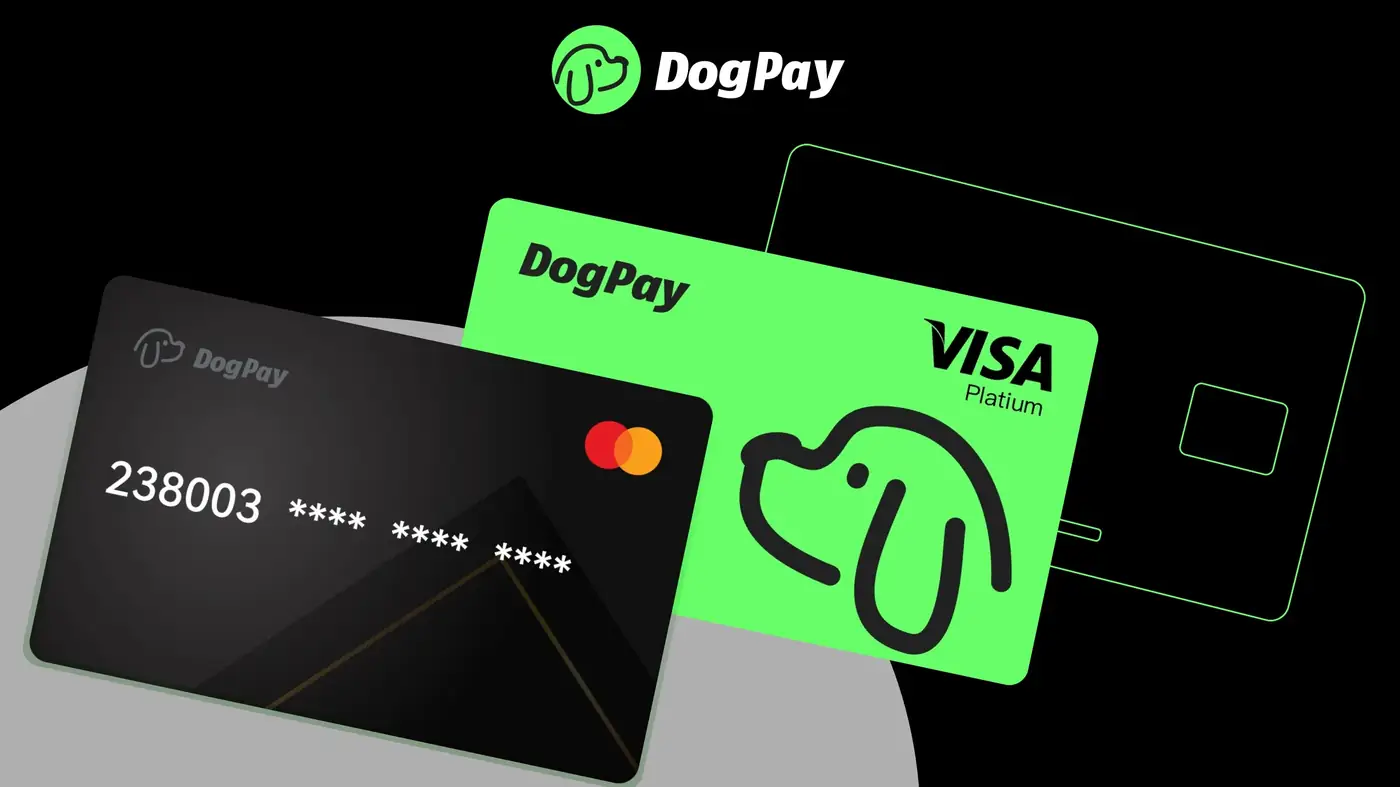
When businesses pay for online services, they need a payment method that is secure, flexible, and easy to manage. This is where virtual cards come in. But with so many options, how do you pick the best one? DogPay can help.
First, consider the features that matter. A good virtual card should offer dedicated card details for each purchase or vendor. This reduces the risk of unauthorized charges. DogPay provides virtual cards that you can create for specific subscriptions or one-off payments. You control the spending limits and can pause or close a card if needed.
Second, think about global reach. Many businesses pay for software, ads, or cloud services from providers worldwide. DogPay supports global accounts and accepts stablecoin settlement, which can help you manage cross-border payments efficiently. You can fund your wallet and use the card in multiple currencies.
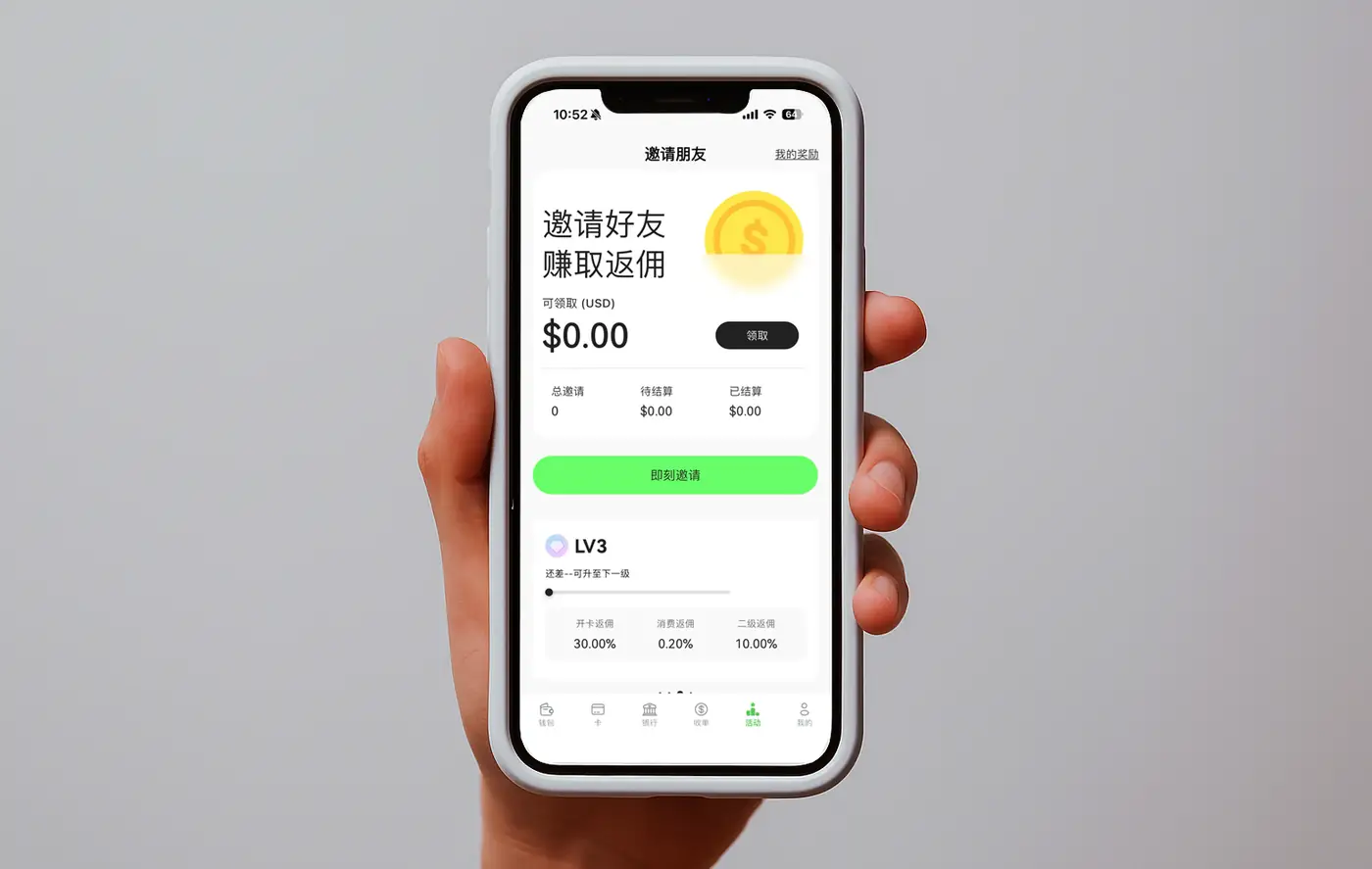
Third, look at visibility and reporting. DogPay gives you a dashboard where you can see each card's transactions and balances. This helps with budgeting and auditing. You can see which subscriptions are active and how much they cost.
Another point is integration with your payment operations. DogPay offers wallet and payment infrastructure that can adapt to your existing workflow. However, DogPay does not automatically integrate with every accounting or expense tool; you may need to check compatibility.
Finally, remember that no virtual card works for every merchant. While DogPay cards are widely accepted, some merchants may have restrictions. Always test a small payment first.
DogPay fits into your payment workflow by letting you issue virtual cards, fund them via stablecoins or other methods, and manage them from one dashboard. This gives you control and visibility without locking you into a single bank or processor. For businesses that want a flexible, modern way to handle online payments, DogPay is worth considering.