DogPayCard
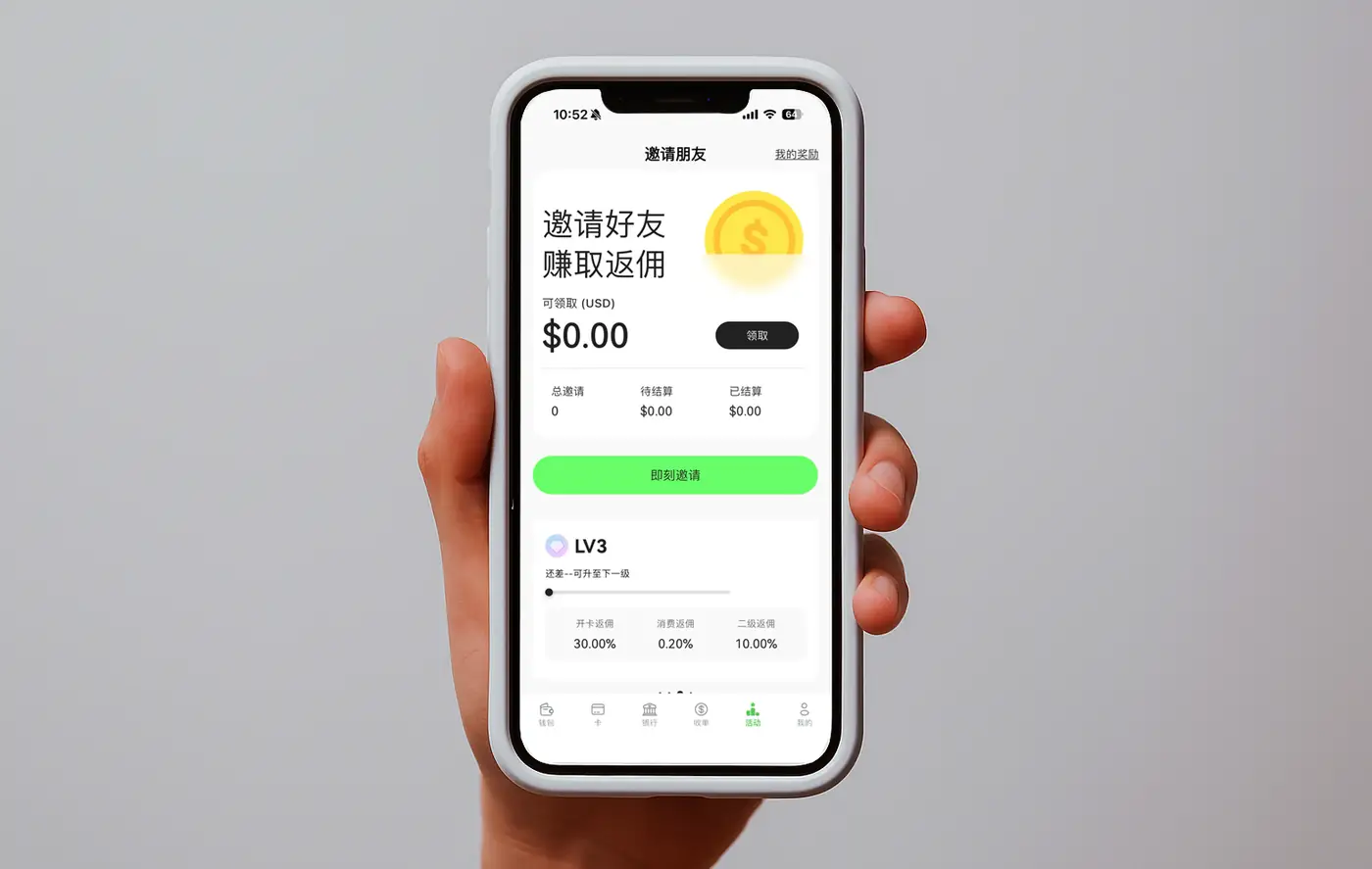
Businesses exploring digital payment options often ask how they can use crypto virtual cards like DogPay. DogPay provides a practical way to handle both online and international transactions by combining virtual card technology with stablecoin settlement.
A crypto virtual card works like a traditional card but is funded using digital assets. With DogPay, businesses can create dedicated cards for different teams or projects. This helps with spend visibility and control, as each card can have its own limits and usage rules.
For international payments, DogPay can be especially useful. Instead of dealing with multiple currencies and bank delays, businesses can fund their card with stablecoins, which are then converted and settled in local currencies at the point of payment. This simplifies cross-border vendor payments and can reduce the time and cost usually associated with traditional banking.
DogPay also supports global accounts, allowing businesses to hold and manage funds in various currencies. This is helpful for companies that pay contractors or suppliers in different countries. By using the wallet and payment infrastructure, businesses can keep operations streamlined.
While DogPay offers these capabilities, it is important to note that acceptance and approval depend on payment networks and merchant policies. There are no guarantees of universal acceptance, but for many online services and businesses that accept card payments, a DogPay virtual card can be a useful tool.
In summary, DogPay helps businesses manage their payment operations more efficiently with dedicated cards, stablecoin settlement, and spend controls. It can fit into existing workflows for subscriptions, ad spend, and vendor payments, offering a flexible alternative to traditional bank cards.