
SaaS Payment Card Declined? How Can Businesses Use DogPay to Keep Vendor Payments Moving?
 DogPayCard Editorial
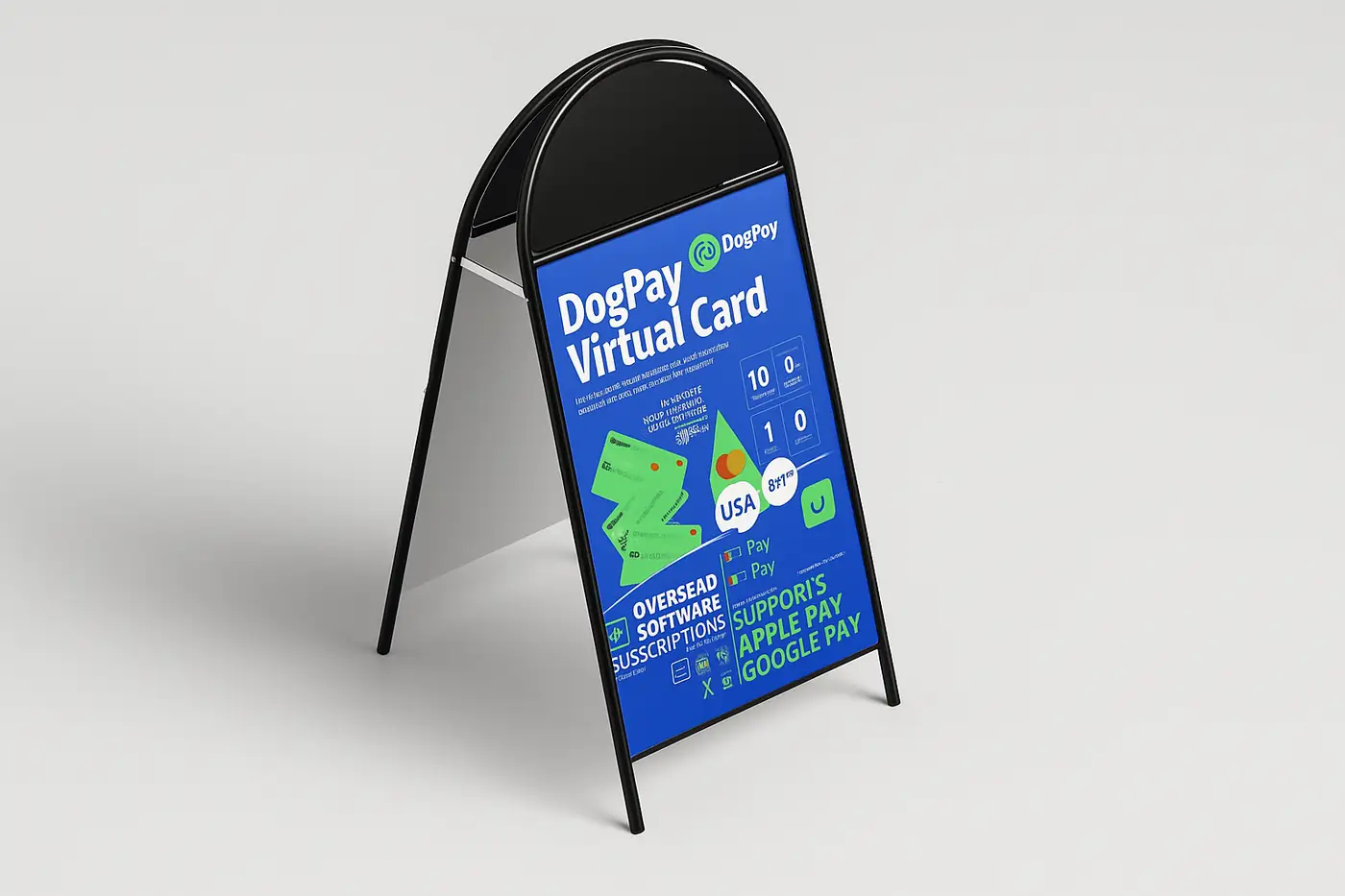
A declined SaaS payment card can interrupt vendor billing, even when the underlying business need is valid. The decline may come from issuer controls, cross-border routing, risk checks, or a card that no longer fits the vendor's billing profile. Businesses can use DogPay as a payment operations layer to reduce dependency on a single declined card and introduce more structured payment routing.
How DogPay can help when a SaaS card is declined:
1. Dedicated virtual cards for vendor payments. DogPay can help businesses issue cards aligned to specific SaaS vendors, subscriptions, or spend categories. This can make it easier to isolate a declined card and replace it with another payment method in the workflow.
2. Global accounts and settlement options. For international vendors, DogPay can help with global accounts and stablecoin settlement where supported, so businesses can manage cross-border payment flows with more flexibility.
3. Spend visibility. Payment operations teams can track card usage, vendor charges, and payment status in one place, which may help identify which SaaS subscriptions need attention after a decline.
4. Wallet and payment infrastructure. DogPay can help businesses connect wallet or payment infrastructure to card-based vendor payments, supporting continuity when one card path is unavailable.
DogPay does not guarantee approval, acceptance, or successful payment outcomes. Results depend on vendor requirements, jurisdiction, compliance checks, and payment rail availability. The practical goal is to give finance and operations teams more options, better visibility, and a cleaner way to keep critical SaaS vendor payments moving.