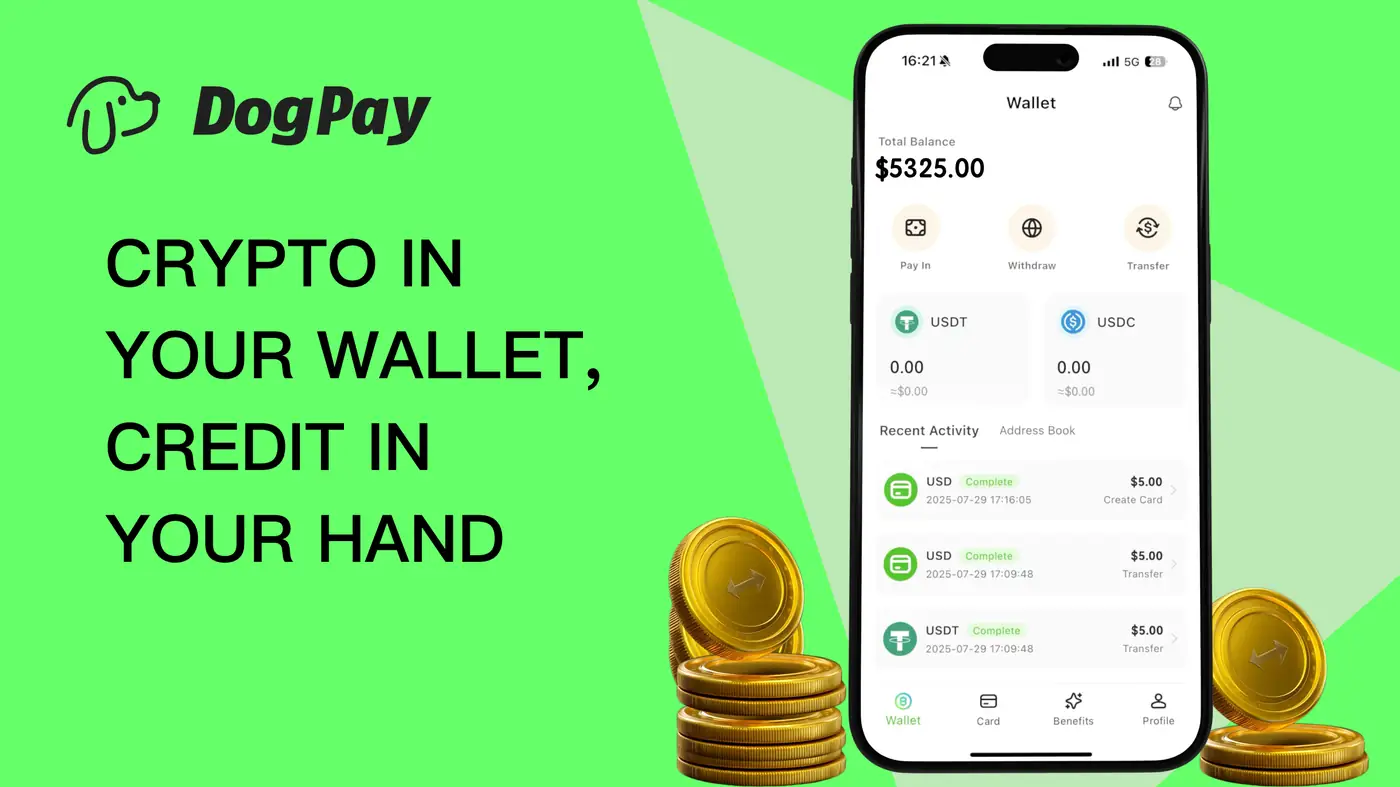
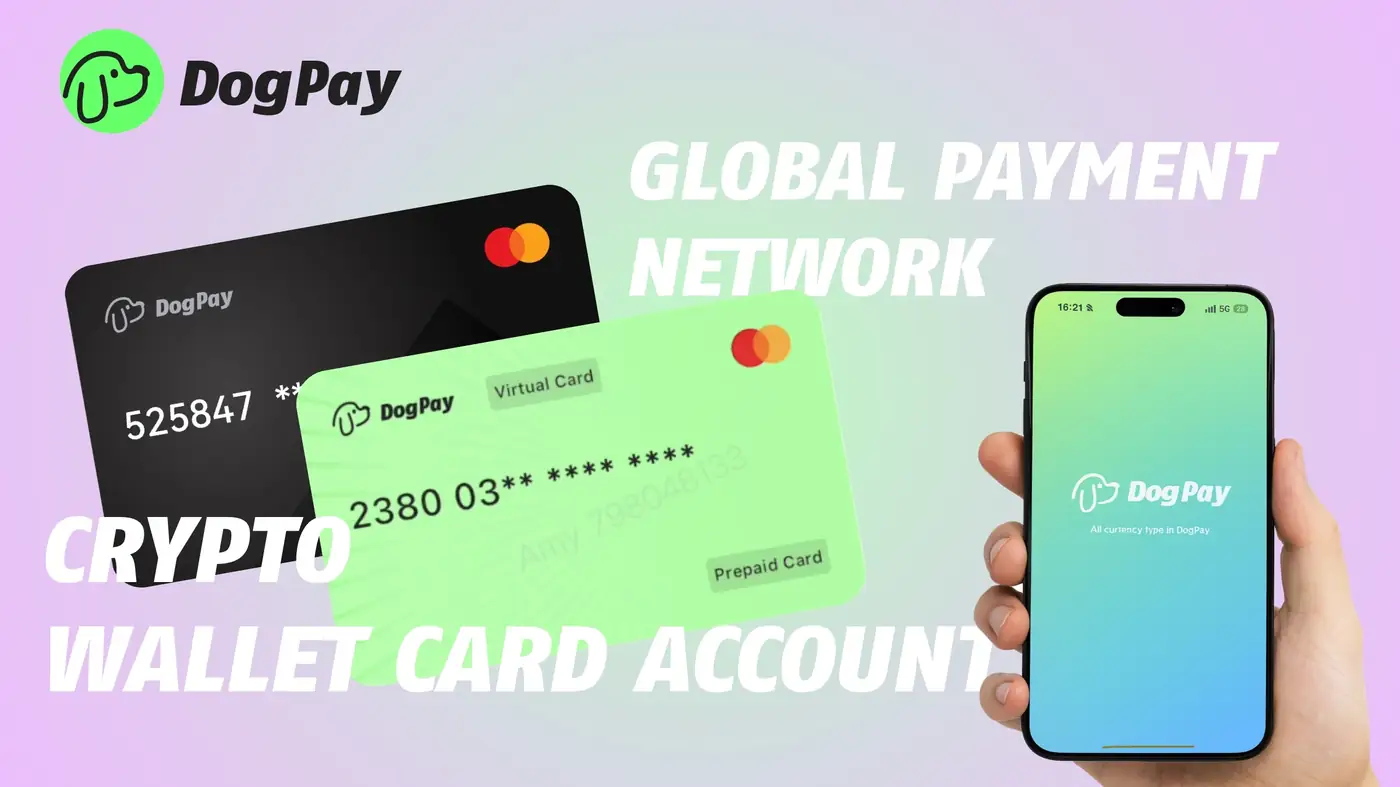
Businesses now rely on a growing number of SaaS tools, from project management to AI platforms. However, global software payments often face issues: card declines due to region restrictions, currency conversion fees, and limited control over recurring charges. DogPay virtual cards can help businesses manage these challenges more effectively. With DogPay, you can generate single-use or fixed-limit virtual cards for each SaaS vendor. This granular approach allows you to set spending caps per subscription, preventing unexpected overages. Because DogPay supports global accounts and stablecoin settlement, you can pay vendors in their preferred currency without traditional bank fees or lengthy processing times. Each virtual card comes with real-time transaction tracking, so finance teams can see exactly where money is spent. If a card is compromised or a subscription is no longer needed, you can instantly freeze or close that card—without affecting other payments. This level of control reduces the risk of fraud and helps maintain budget discipline. DogPay also helps reduce card declines common with AI tools and international SaaS vendors. By using stablecoin rails and a wallet/payment infrastructure designed for global transactions, payments are processed more reliably. While no system can guarantee zero declines, DogPay's infrastructure is built to minimize them. For businesses, DogPay offers a practical way to centralize SaaS spend management. The platform provides spend visibility across all subscriptions, helping teams optimize costs and avoid duplicate tools. Combined with dedicated virtual cards for each vendor, businesses gain a clearer picture of their software expenses. In summary, DogPay virtual cards, global accounts, and stablecoin settlement give businesses a flexible toolset for controlling global SaaS payments. The platform supports spend control, reduces payment friction, and improves visibility—all without requiring a traditional bank account or complex integrations.
Spend Control / 5 min read
How to Control Global SaaS Spend with DogPay Virtual Cards
Manage and track global SaaS subscriptions with DogPay virtual cards. Set per-vendor limits, reduce declines, and gain real-time spend visibility.

DogPayCard Editorial