DogPayCard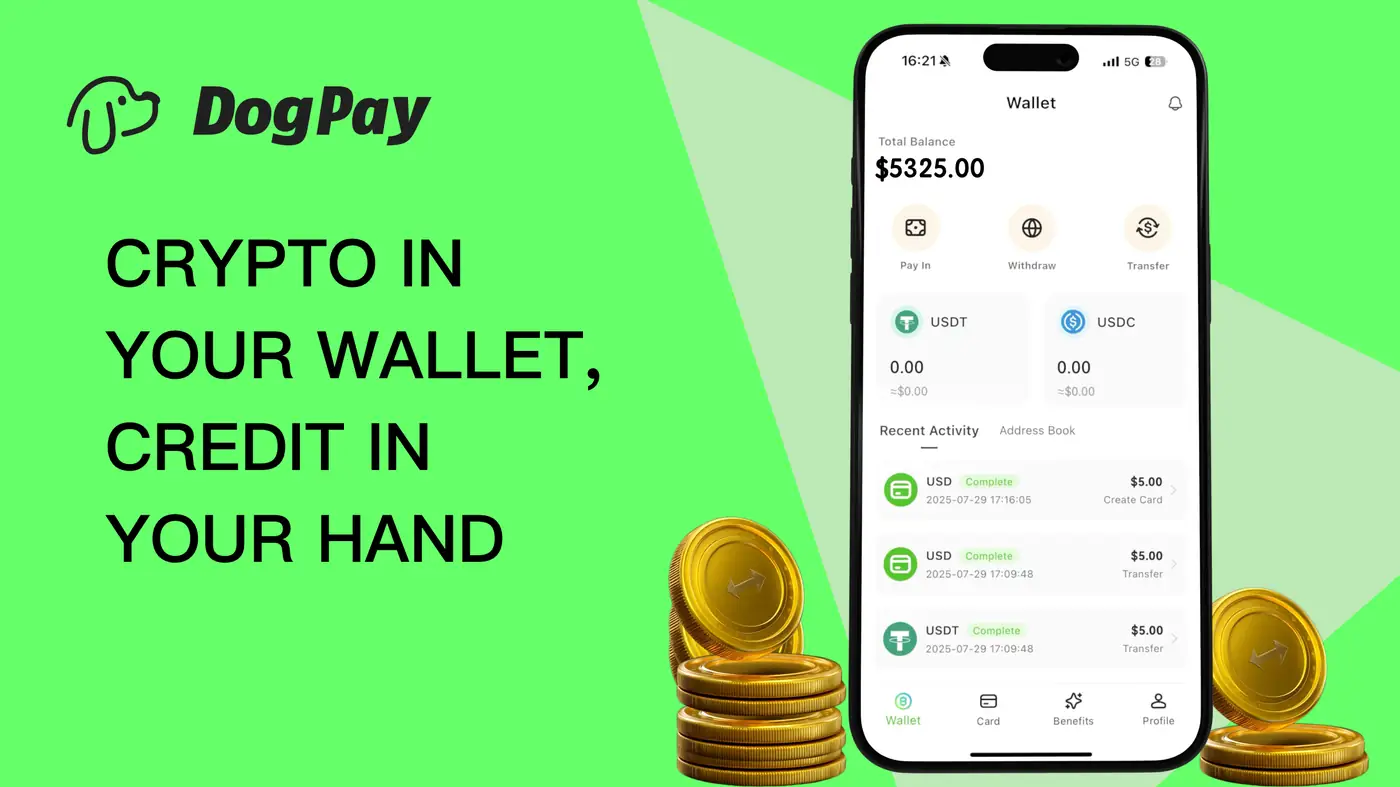
Managing recurring subscriptions like Claude can be tricky for businesses, especially when multiple teams or projects rely on the same account. DogPay virtual cards offer a practical way to handle Claude subscription billing while keeping spending under control.
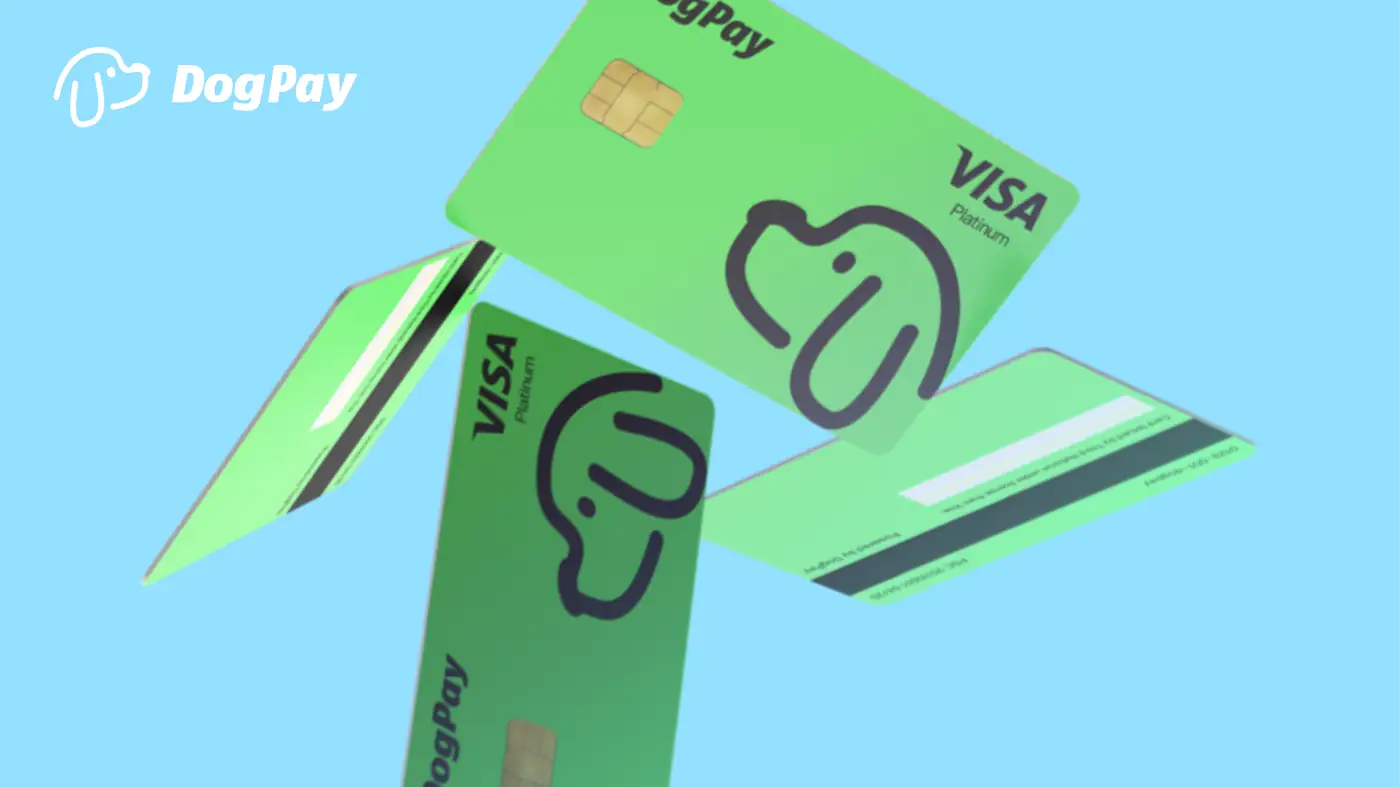
Instead of using a single corporate card for all AI tools, you can create dedicated virtual cards for each subscription. This gives you clearer spend visibility and simplifies tracking. For example, you can issue a separate card for Claude, another for other SaaS tools, and set limits per card. This way, you know exactly what each subscription costs and can adjust quickly if needed.
DogPay also supports stablecoin settlement, which can be useful for businesses that prefer crypto-based payments. With a DogPay global account, you can fund your virtual cards in stablecoins and use them for recurring charges. The wallet infrastructure ensures that payments are processed smoothly, but remember that actual acceptance depends on the merchant. Claude must accept the card network DogPay uses, so it is wise to verify compatibility before relying solely on this method.
For businesses with multiple users, DogPay can streamline payment operations. Team members can request cards, and admins can monitor transactions in real time. This reduces the friction of sharing card details and helps prevent unauthorized usage.
While DogPay can help with recurring billing, it does not guarantee that a subscription will never fail. Payment failures can occur due to insufficient funds, card network issues, or merchant policies. However, by using dedicated cards and maintaining adequate balances, you can lower the risk of service interruptions.
In summary, DogPay virtual cards provide a flexible and transparent way to manage Claude subscription payments. They offer dedicated cards, global accounts, stablecoin settlement, and wallet infrastructure. For teams that need to control AI-related costs, DogPay can be a valuable part of your payment stack.