DogPayCard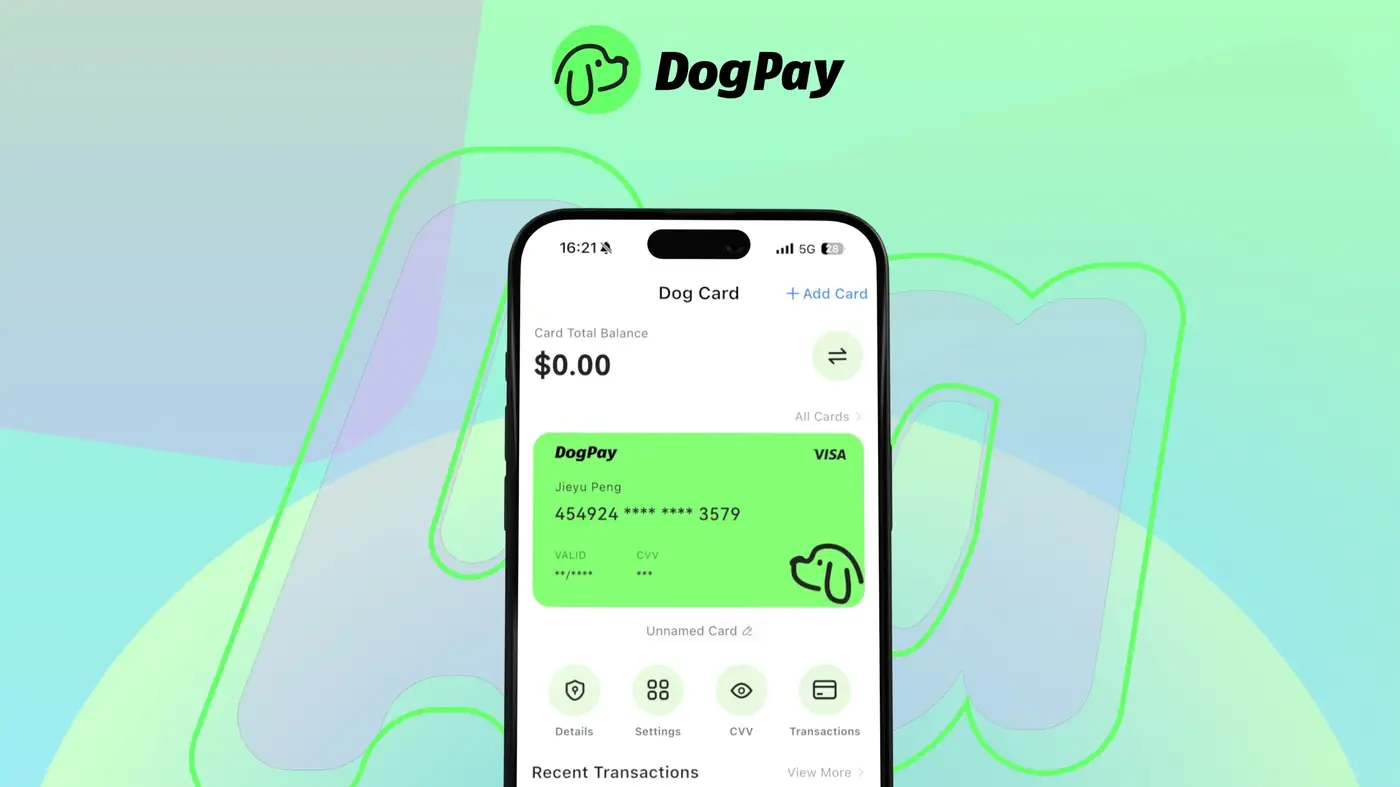
For businesses that pay international vendors, cross-border card payments often come with friction: currency conversion, slow settlement, and limited spending visibility. DogPay offers a practical approach by combining virtual cards with global accounts and stablecoin settlement. Here's how it works.
A global account lets you hold and manage funds in multiple currencies or stablecoins, simplifying how you fund payments. Virtual cards, issued instantly, can be used for vendor payments, subscription services, and online purchases, with spending limits set per card. This gives you granular control over who spends what, and where.
Stablecoin settlement adds another layer of efficiency. Instead of waiting for traditional bank transfers, you can use stablecoins to move value quickly, often reducing the time funds are in transit. However, it's important to note that settlement speed can vary based on the blockchain network and the recipient's readiness to accept stablecoins.
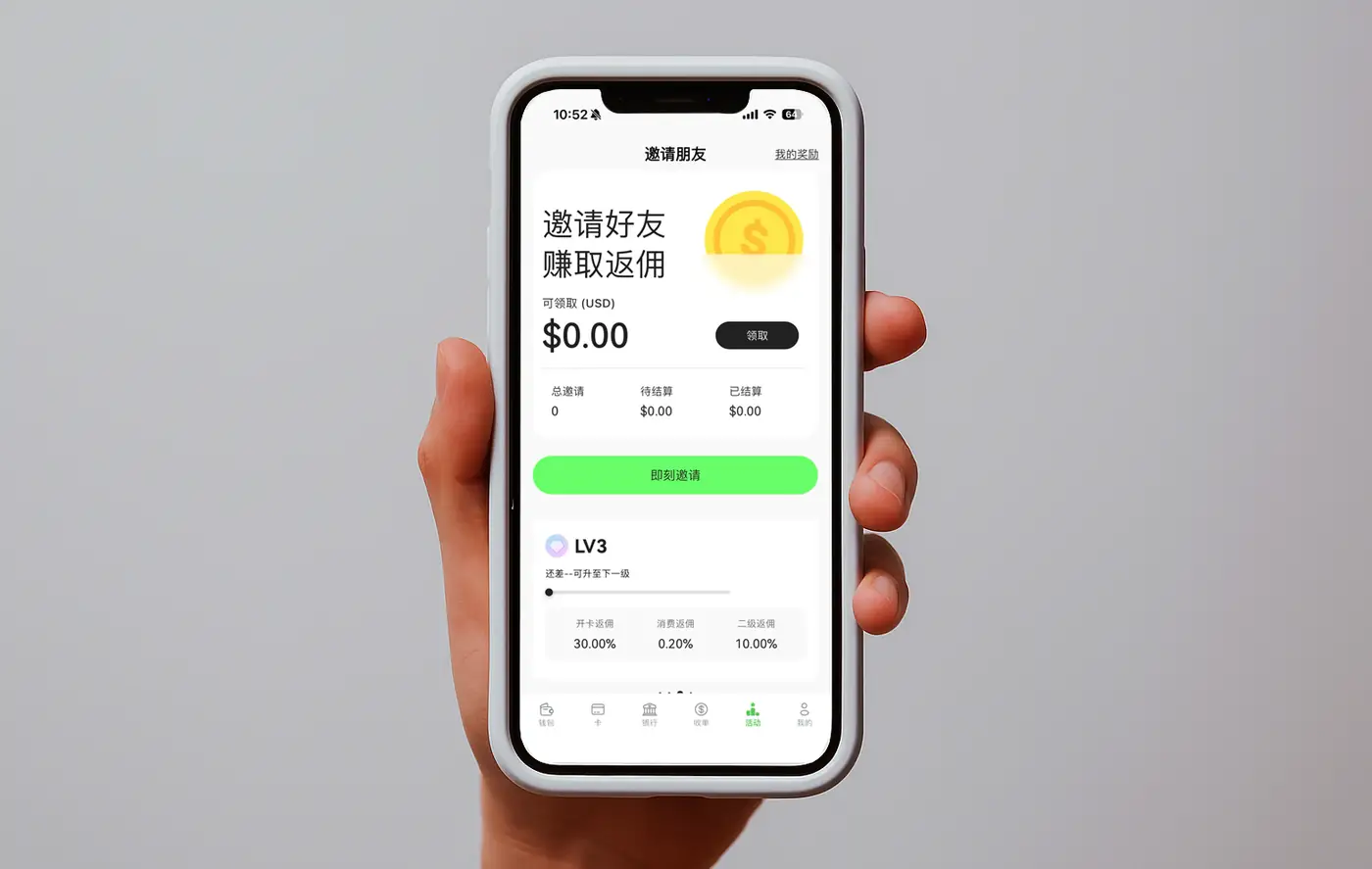
For finance teams, the reported advantage is operational clarity. You can see transactions in a dashboard, categorize spend, and reconcile more easily. DogPay's wallet and payment infrastructure are designed to support this workflow, but individual results depend on your specific use case and vendor capabilities.
DogPay can help businesses manage cross-border payments by providing dedicated virtual cards, global accounts, and stablecoin settlement options. This setup is particularly useful for teams that need to move money to suppliers, contractors, or remote employees in different countries. While DogPay doesn't guarantee acceptance or zero failures, its tools are built to give you more control and visibility over your global spend.