DogPayCard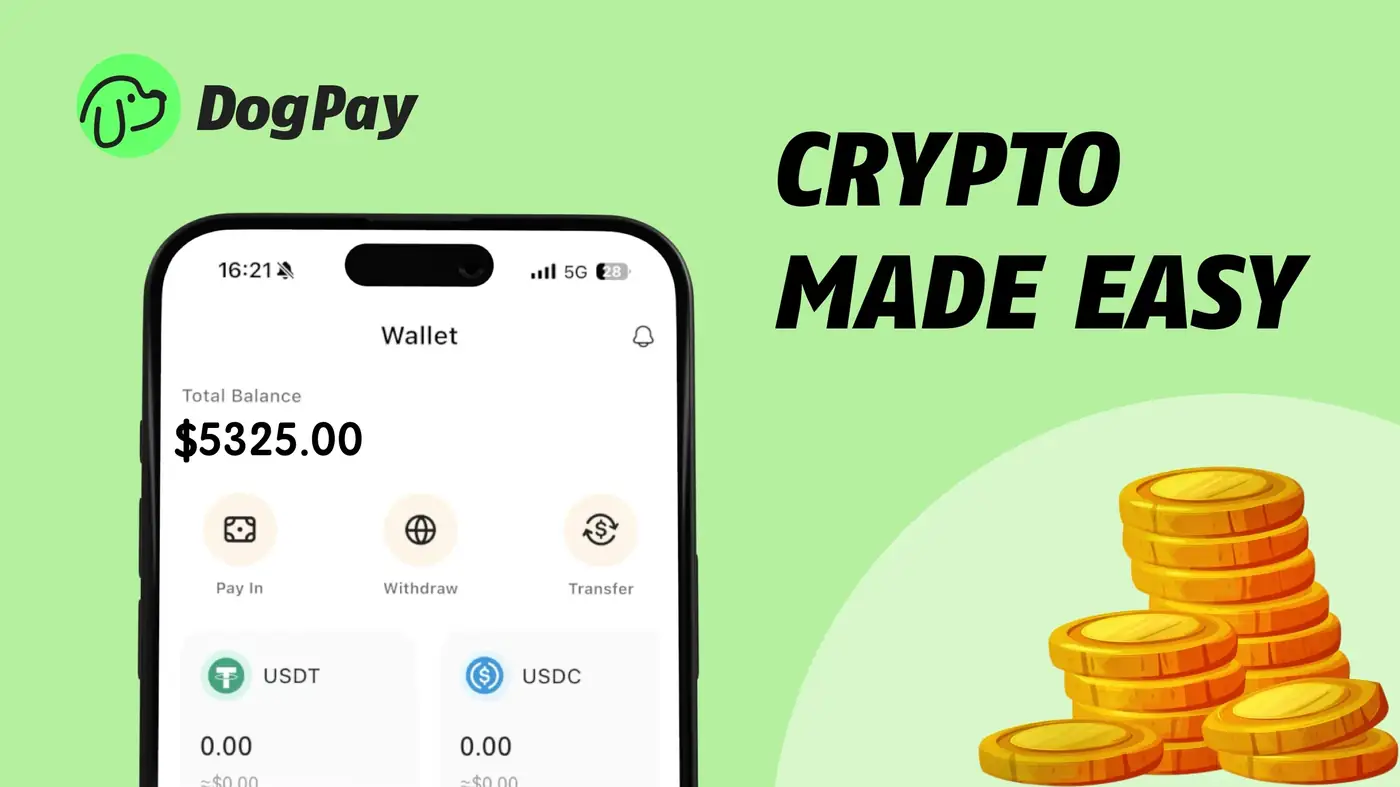
For global SaaS companies, adding Web3 payment infrastructure means handling crypto payments, stablecoin settlement, and fiat conversion—without losing sight of compliance and spend control.
DogPay can serve as a payment operations layer. It offers dedicated virtual cards, global accounts, and a wallet that supports stablecoin settlement. This lets your finance team pay vendors, fund marketing accounts, or reimburse remote workers—without traditional banking friction.
The workflow typically looks like this: you receive customer funds in USDC or another stablecoin into your DogPay wallet, convert to fiat when needed, and use virtual cards for expenses like cloud services or ad spend. Each transaction is recorded, giving you real-time spend visibility.
DogPay also helps with compliance. It supports KYC/KYB checks and transaction monitoring, so your Web3 payment operations align with regulatory expectations. You can set spending limits and assign cards to specific projects or departments.
Important: DogPay does not replace your bank or accounting system. It complements them by handling crypto-native payments and stablecoin settlement. You should still maintain proper financial records and tax reporting.
For SaaS teams exploring Web3 payments, DogPay offers a practical way to bridge crypto and traditional finance. It can help you accept stablecoins, manage multi-currency accounts, and control spending—all from one dashboard. Start by mapping your payment flows and testing DogPay with a small team or specific vendor category.