
How Can Businesses Use DogPay for Virtual Cards? A Day-to-Day Guide
 DogPayCard Editorial
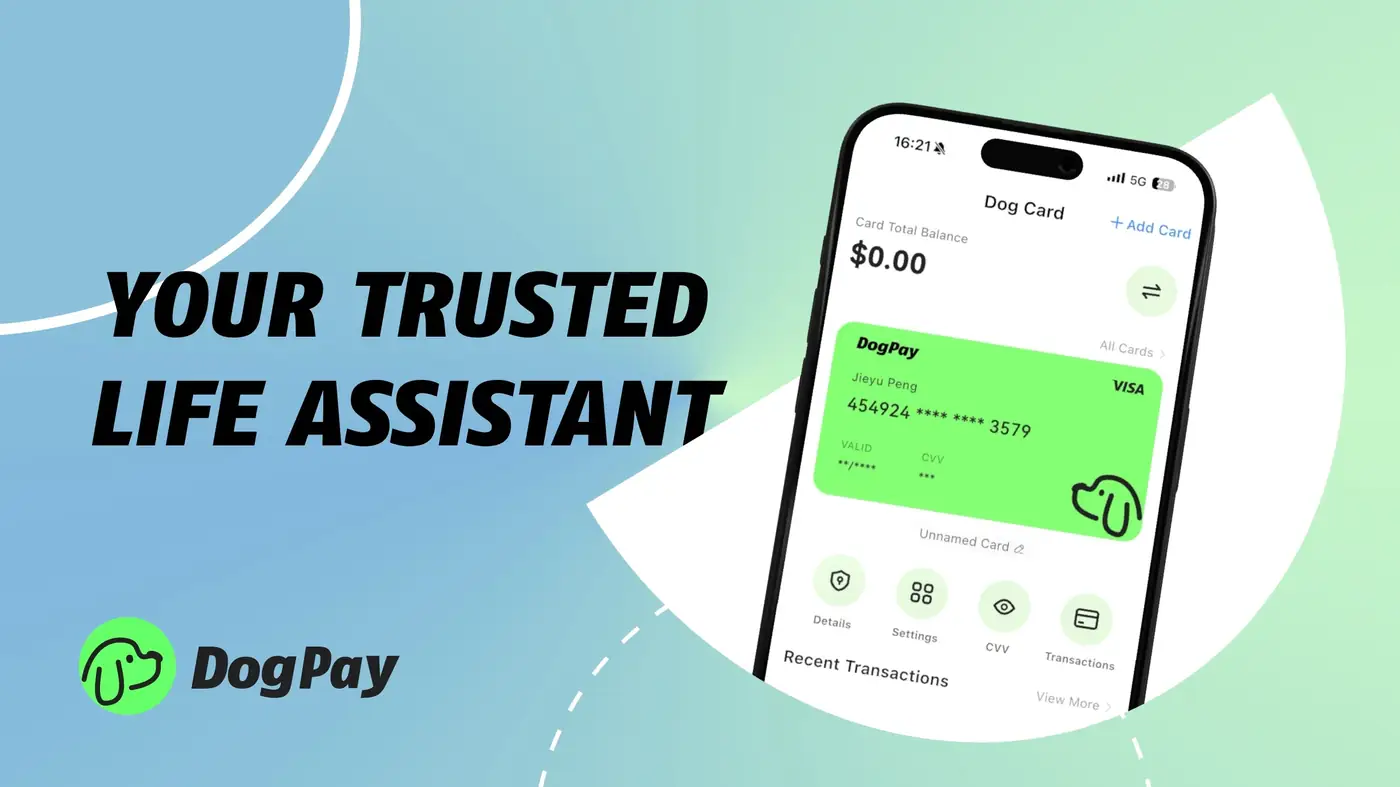
Businesses often need a card that is not tied to one shared corporate account. DogPay virtual cards can be issued for specific purposes, such as a single vendor, a team, or a recurring software subscription. That makes it easier to separate spend and review activity later.
A typical setup starts with a business account and a funded balance. From there, teams can create virtual cards for individual tools or projects. Each card can carry its own limit and purpose, which helps finance see where money goes without chasing down every receipt. This is useful for online software, cloud tools, and other digital services that expect a card on file.
For global payments, DogPay can support global accounts and stablecoin settlement in the payment workflow. That can matter when a vendor bills in a different currency or when a business wants a settlement path that is not limited to a single local rail. Availability and features can vary by region and account type.
Day-to-day, virtual cards fit well into payment operations: assign a card to a vendor, set a limit, and review the card activity during reconciliation. If a subscription changes or a project ends, the card can be paused or closed. This is spend visibility, not a guarantee that every charge will be approved by the merchant.
Teams can also use DogPay cards alongside wallet and payment infrastructure to keep card issuance, funding, and reporting in one place. The goal is practical control: fewer shared credentials, clearer ownership, and a record of what each card was for.
DogPay fits this workflow by offering virtual cards, global accounts, stablecoin settlement, and wallet/payment infrastructure that businesses can use for online software and operational spend. It supports spend visibility and payment operations, while final approval and acceptance still depend on the merchant and the account setup.