
Virtual Card vs Physical Card: Which Solves Your Business Spend Challenges?
 DogPayCard Editorial
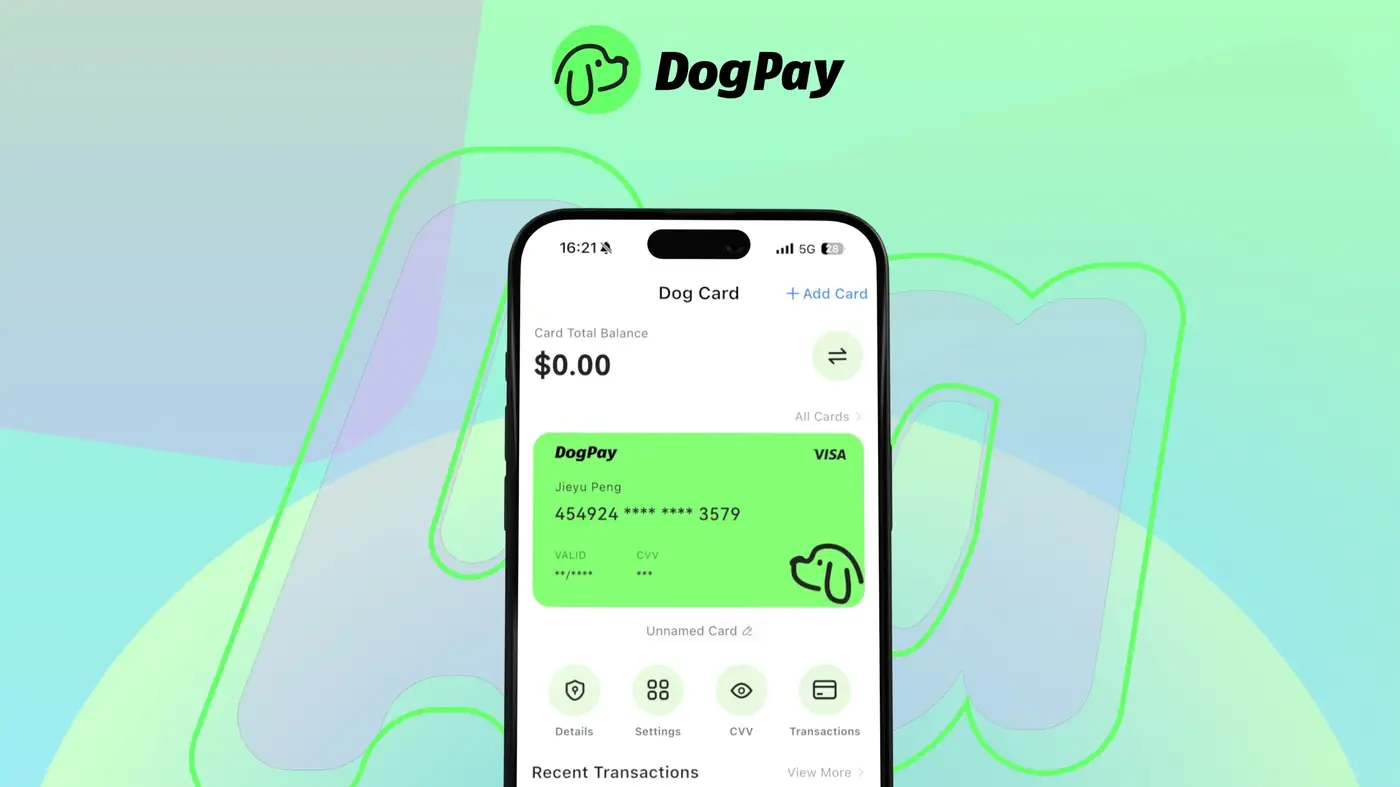
Businesses often choose between virtual and physical cards for employee spending. Virtual cards are digital, created instantly, and used for online transactions, subscriptions, and ad spend. They offer enhanced security with disposable numbers and strict spending limits. Physical cards, on the other hand, are tangible and used for in-person purchases like travel, office supplies, or client entertainment. Both can be funded via fiat or crypto, but each suits different scenarios.
Virtual cards provide real-time visibility and control. You can set per-transaction limits, lock to specific merchants, and freeze them instantly. This reduces fraud risk and simplifies reconciliation. Physical cards are ideal for offline expenses where a plastic card is required, but they offer less granular control.
DogPay supports both card types through its platform. Businesses can issue virtual cards for recurring payments or ad campaigns, and physical cards for team travel. Each card is linked to DogPay's global account, allowing funding from fiat or stablecoin wallets. Spend limits and merchant categories can be managed per card. Real-time transaction data flows into your dashboard, helping you monitor expenses. DogPay's infrastructure also enables cross-border payments and supports Web3 treasury operations, making it a flexible tool for modern payment workflows.