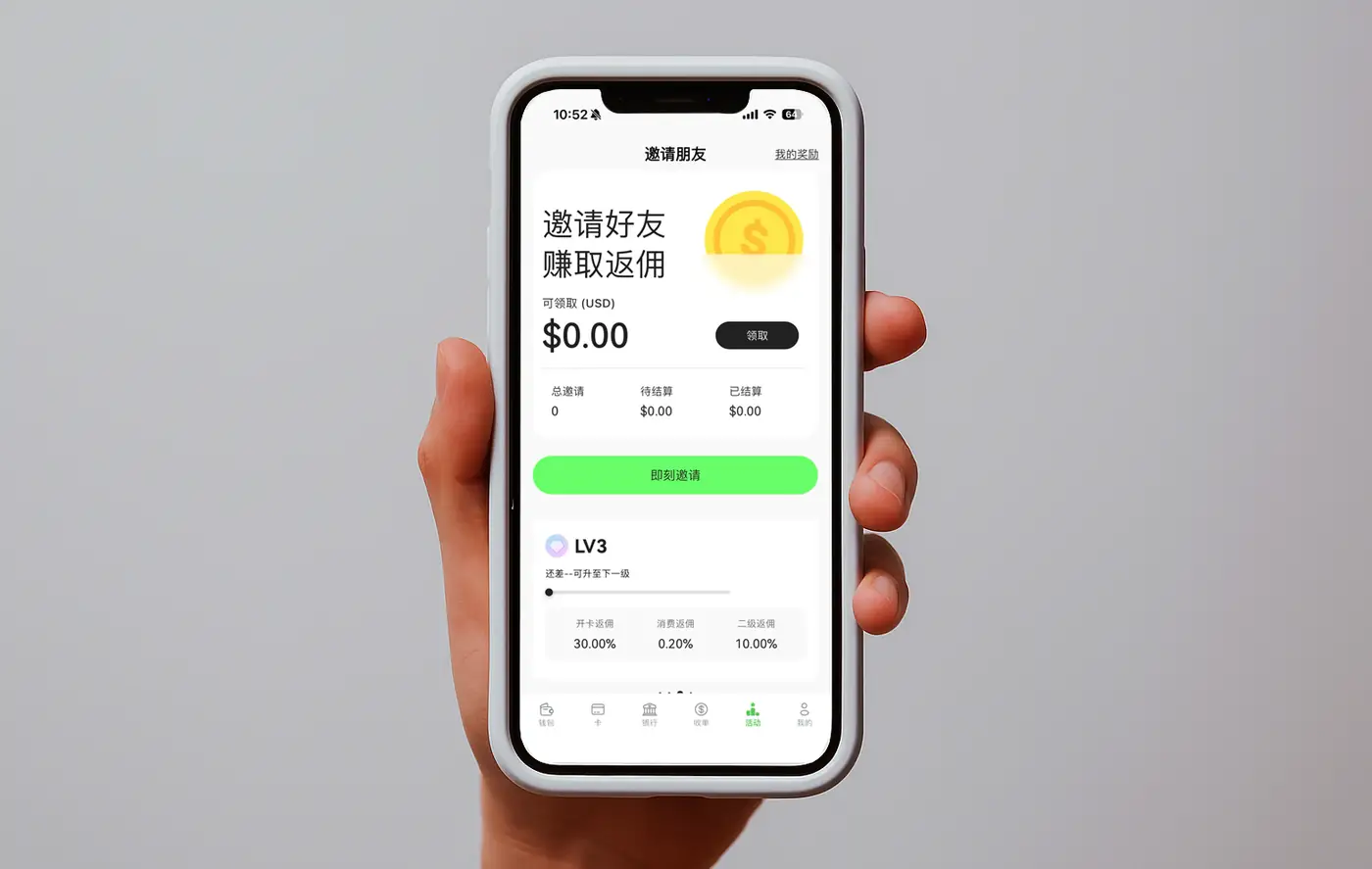
DogPayCard
For businesses that pay for software, ads, or digital services online, a virtual card can be a practical tool. But not all virtual cards are created equal. DogPay helps businesses get a virtual card designed for online payments, with features that support better control and visibility.
When you set up a virtual card through DogPay, you can create dedicated cards for specific vendors or projects. This means you can limit spending to a particular amount or category, which helps prevent overspending and simplifies reconciliation. Each card comes with its own details, so you can track transactions more easily.
DogPay also supports global accounts, which can be useful if you pay suppliers or vendors in different currencies. With stablecoin settlement, you can fund cards using digital assets, which may offer faster and potentially lower-cost settlement compared to traditional banking rails.
For teams, DogPay provides a dashboard where you can see spending in real time. This visibility helps finance teams monitor budgets and identify unusual activity. You can also pause or close cards quickly if needed, which adds a layer of security.
It's important to note that DogPay does not guarantee that every transaction will be approved. Merchant acceptance depends on the card network and the merchant's policies. However, by using dedicated cards, you can reduce the risk of compromised credentials affecting your main accounts.
In practice, businesses can use DogPay to issue a virtual card for a specific subscription or a marketing campaign, fund it with stablecoins, and then track expenses in the dashboard. This workflow supports better control over online spend without the need for traditional bank accounts in every region.
DogPay fits into your payment workflow by offering a platform where you can create and manage virtual cards, connect them to global accounts, and settle with stablecoins. This approach gives businesses a flexible way to handle online payments while keeping an eye on costs.