DogPayCard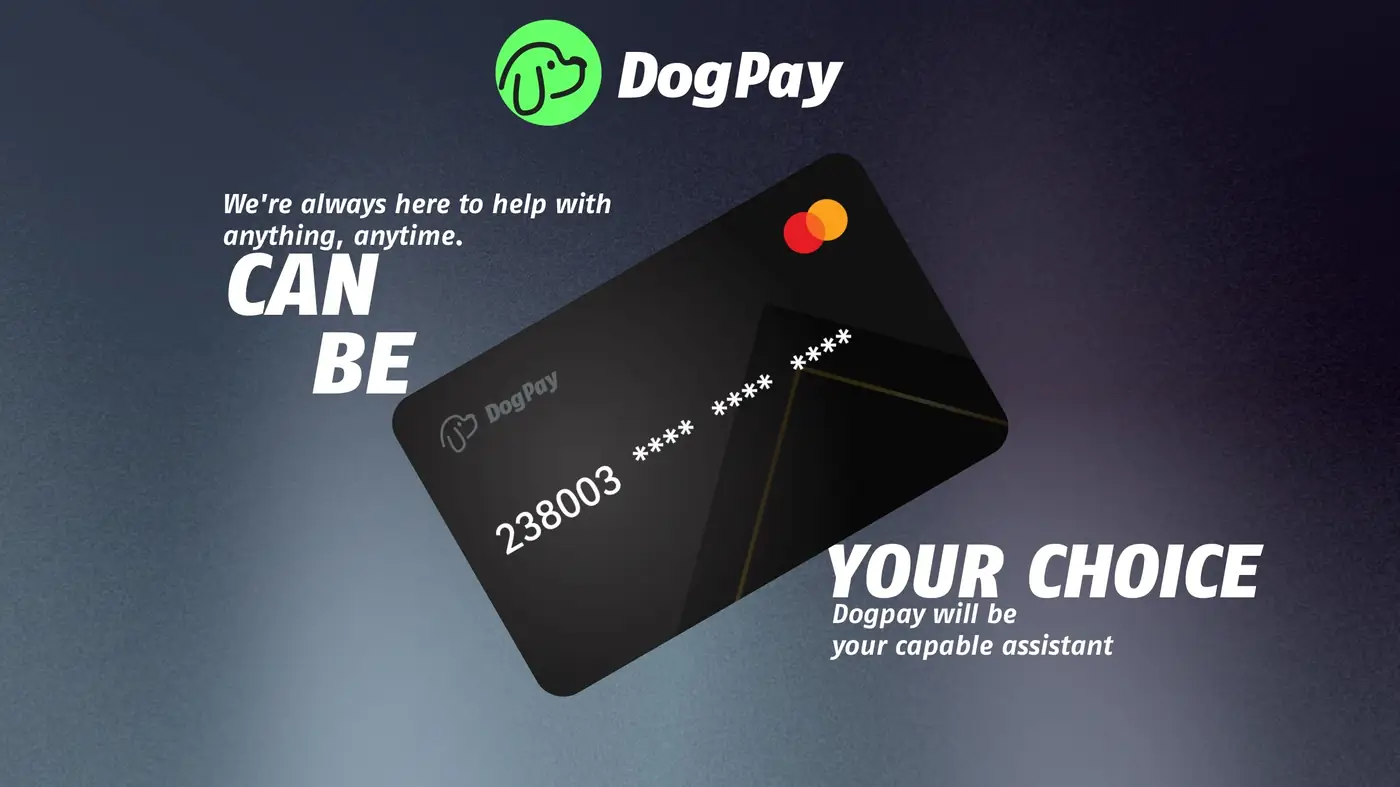
Businesses holding USDT often need a practical way to use those funds for everyday expenses like software subscriptions, advertising, or contractor payments. DogPay provides a workflow that connects stablecoin balances to virtual card spending. Here’s how it works in practice.
First, a business opens a DogPay account and completes the necessary verification. Once approved, they can deposit USDT into their DogPay wallet. From there, they can create virtual cards linked to their USDT balance. These cards carry standard card details—number, expiration, CVV—and can be used anywhere online cards are accepted, subject to merchant acceptance.
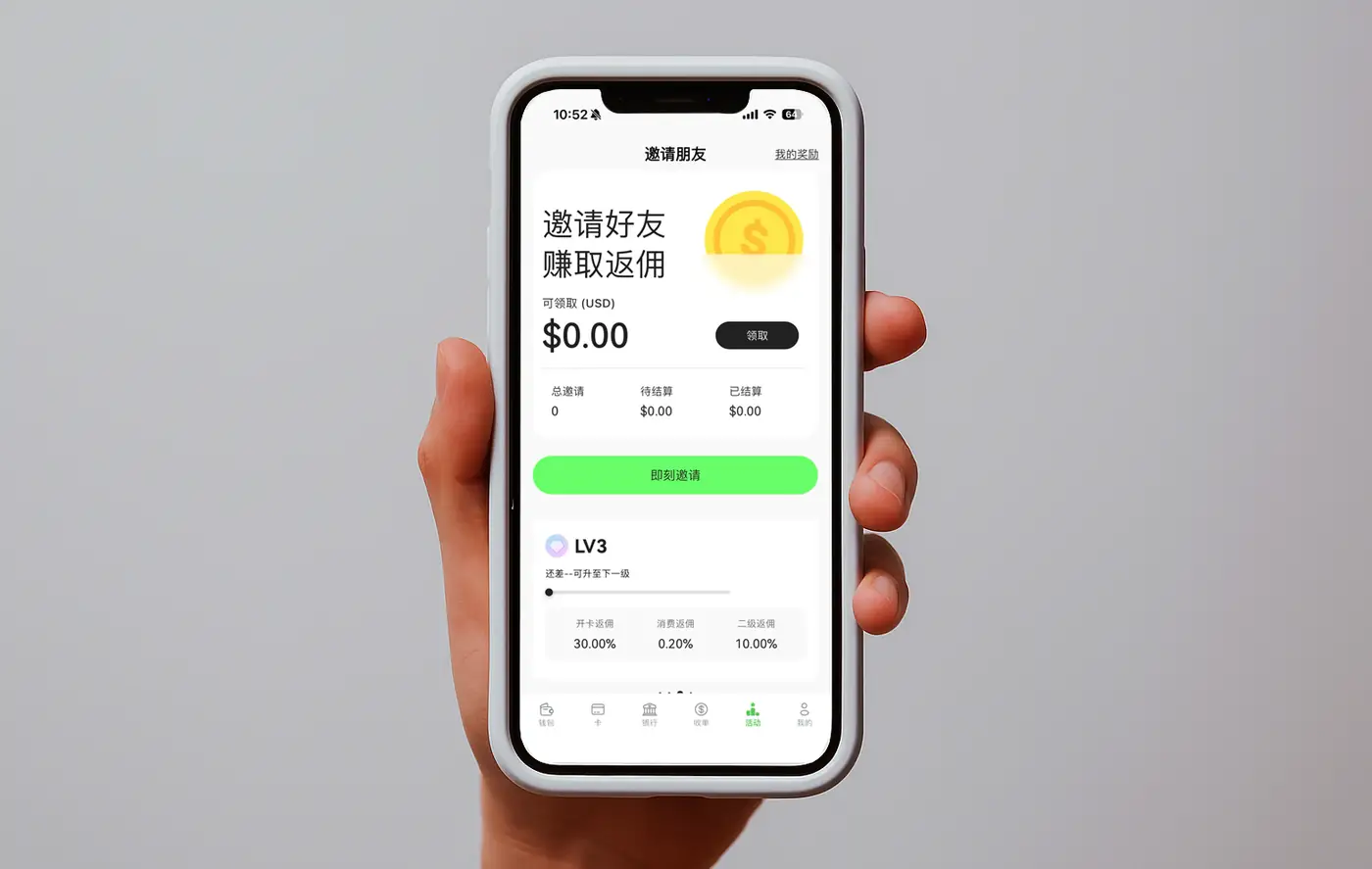
The key benefit is flexibility. Businesses can fund cards in USDT, avoiding the need to convert to fiat first. This can reduce friction when operating across borders. DogPay also offers a global account structure, which helps businesses manage multiple currencies and payment operations from a single dashboard. Spend visibility tools allow finance teams to track transactions in real time, making reconciliation simpler.
For SaaS companies, this setup supports vendor payments and ad spend. For example, a team can create a card for a specific ad platform, load it with a set amount of USDT, and monitor usage. This helps control budgets and reduces the risk of overspending. However, it’s important to note that not all merchants accept virtual cards, so businesses should have a backup payment method.
DogPay fits into this workflow by providing the infrastructure: a secure wallet, card issuance, and a dashboard for managing balances and cards. It does not automate top-ups or guarantee approvals, but it gives businesses a straightforward way to convert USDT into a spendable format. For teams looking to streamline global payments, DogPay can be a valuable tool in their payment stack.