
DogPay Virtual Card vs Prepaid Card: Which Fits Your Spend?
 DogPayCard Editorial
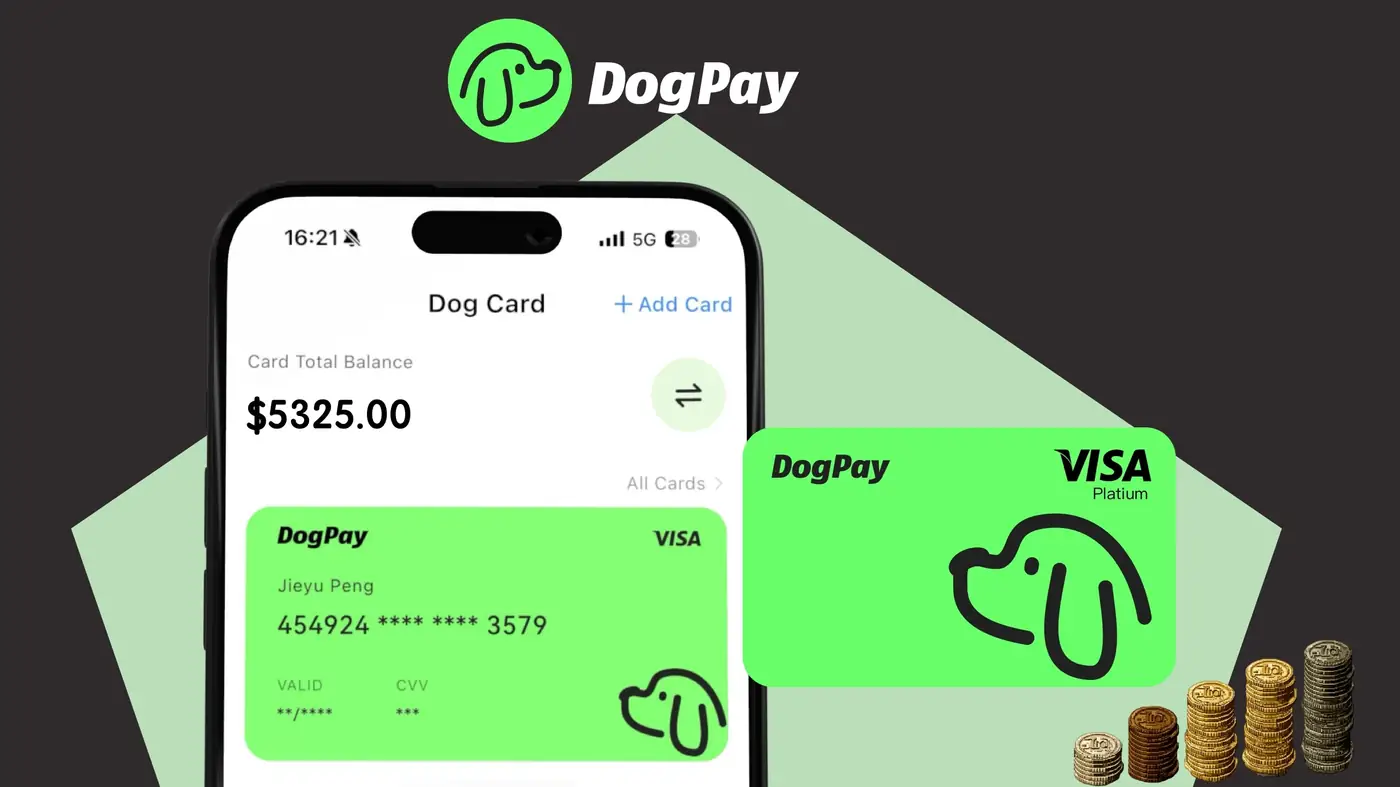
When businesses evaluate DogPay card options, the practical question is: which card type aligns with each spending scenario? Virtual cards are issued instantly with unique card details, making them well-suited for online subscriptions, software purchases, and ad campaigns. They allow you to set dedicated limits per vendor, which can help contain costs and simplify reconciliation. Prepaid cards, on the other hand, function like a stored-value card. You load a specific amount, and spending is limited to that balance. This makes them useful for one-off project budgets, team allowances, or situations where a physical or standalone card is necessary.
For decision-making, think about control vs. flexibility. Virtual cards offer better control for recurring or variable digital spend because you can manage each card independently. Prepaid cards give a clear cap but may require manual reloading for ongoing use. Both card types connect to DogPay's broader payment workflow, which includes dedicated cards, global accounts, stablecoin settlement, and wallet infrastructure. DogPay can support spend visibility and payment operations, but outcomes depend on merchant acceptance and network policies. There is no guarantee of universal acceptance.
A balanced approach uses virtual cards for ongoing vendor payments and prepaid cards for fixed-budget initiatives or team disbursements. Review your spending patterns and internal controls. DogPay provides tools for issuance and management, but you must align card choice with your operational needs and risk tolerance.
DogPay fits into your payment operations as a platform for dedicated cards, global accounts, and stablecoin settlement. It offers wallet and payment infrastructure that supports business spend management, but it does not replace your accounting or compliance obligations. Use DogPay to streamline card issuance and gain clearer visibility into transactions, while maintaining your own oversight.