DogPayCard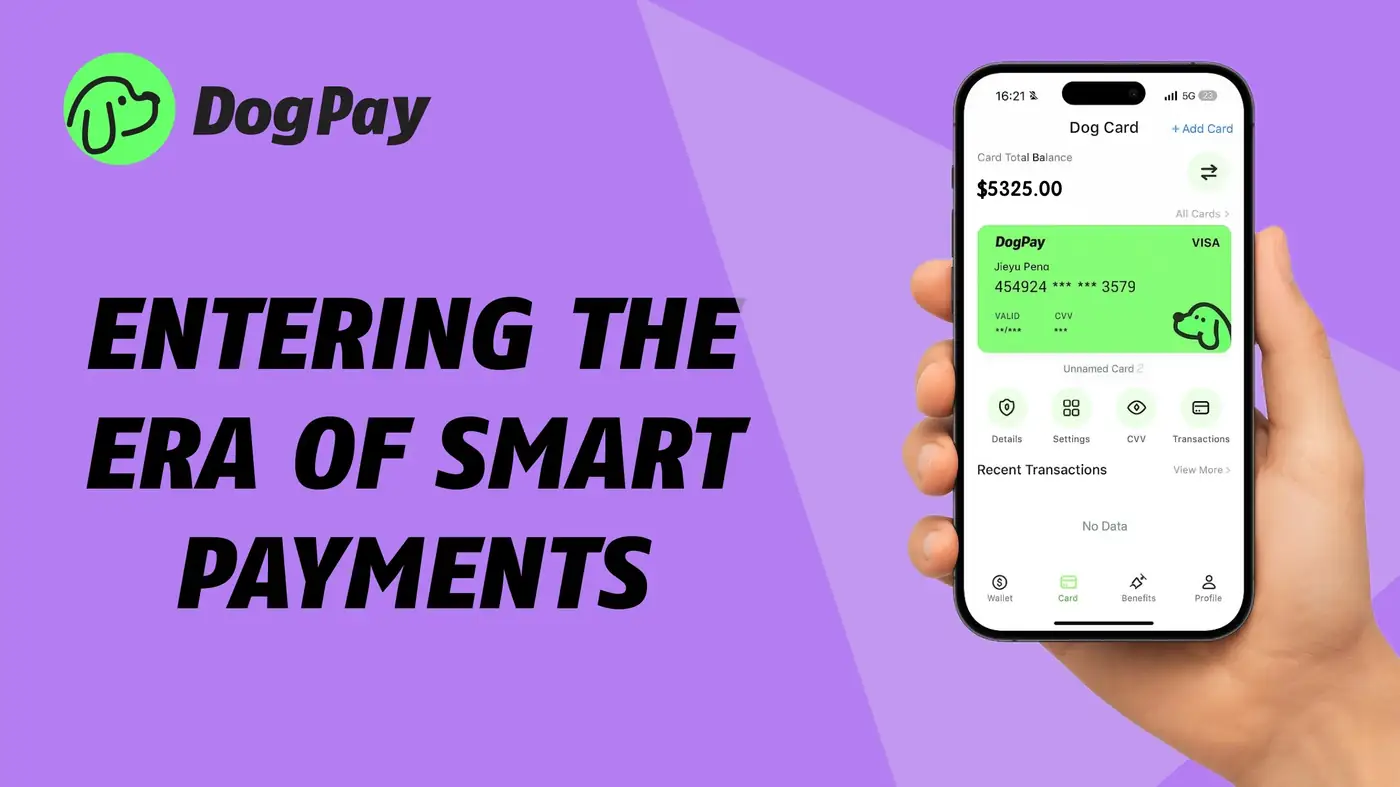
Businesses holding USDT often need a practical way to pay for software, ads, or remote team costs without converting to fiat. DogPay offers a workflow that connects stablecoin balances to virtual cards, which can be used anywhere cards are accepted.
To start, a company funds its DogPay global account with USDT. Once the funds are settled, the business can create dedicated virtual cards with set limits. These cards can be assigned to specific projects, departments, or vendors. This setup helps keep spending organized and visible.
A typical use case: a SaaS company wants to pay for cloud hosting and advertising. Instead of moving USDT to a bank and then issuing corporate cards, they use DogPay to allocate USDT to virtual cards for each expense category. This reduces manual reconciliation and gives finance teams a clearer view of outgoing payments.
DogPay also supports stablecoin settlement, meaning transactions are processed without traditional banking delays. The platform provides wallet and payment infrastructure, so businesses can manage card issuance and spending limits from one dashboard.
For businesses exploring stablecoin-based spending, DogPay can help with dedicated cards, global accounts, and spend visibility. While results depend on merchant acceptance and individual circumstances, DogPay is designed to simplify payment operations for companies that already use digital assets.