DogPayCard
When a business tries to pay an international merchant, card declines often occur. Common causes include: the card issuer blocking cross-border transactions by default, mismatched billing addresses, low spending limits, or the bank flagging the payment as suspicious. These declines delay purchases, upset suppliers, and hurt operations.
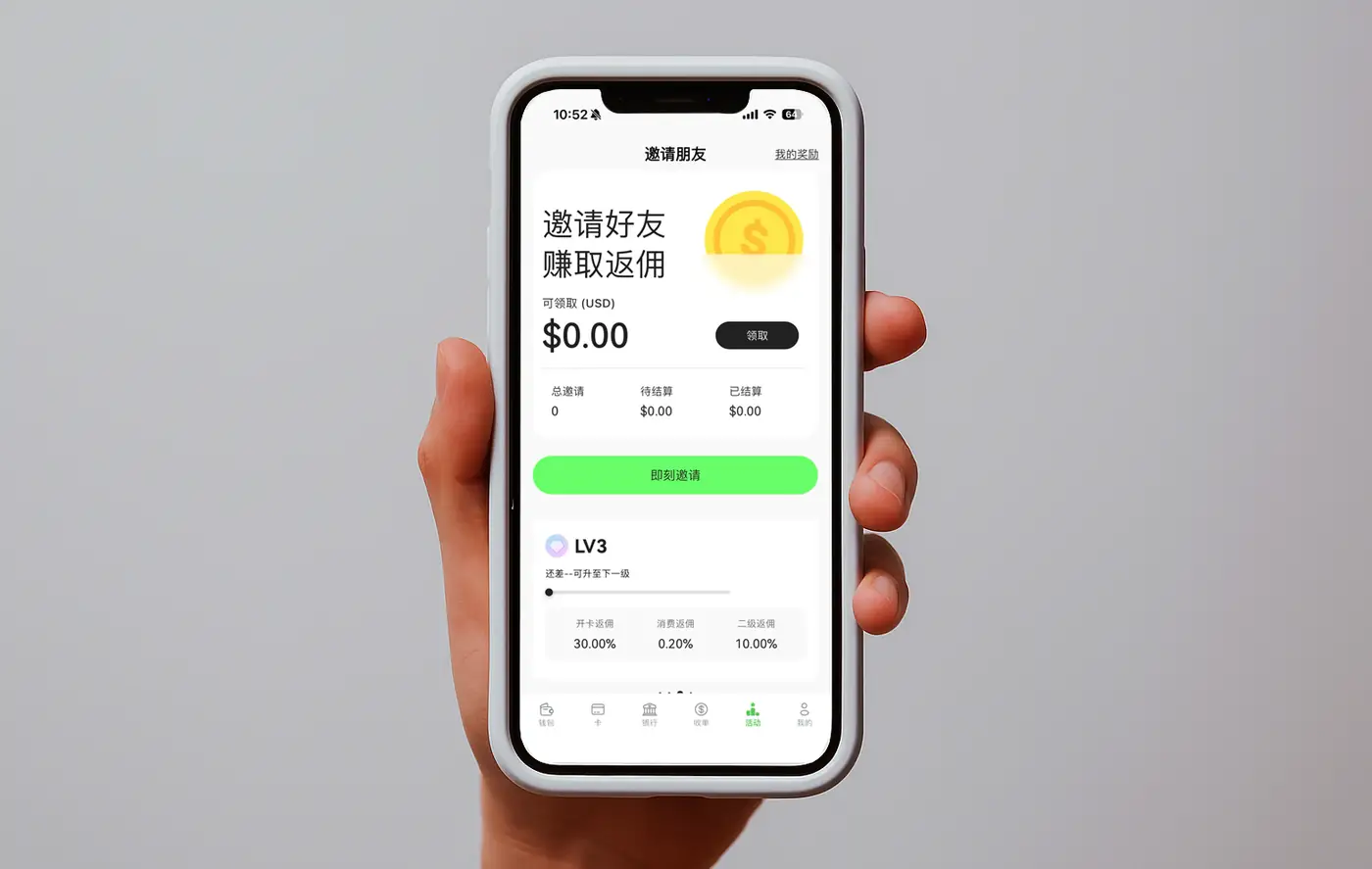
DogPay offers virtual cards designed for global use. These cards are issued by partners that support international transactions and can be funded with stablecoins or fiat held in a DogPay global account. Businesses can create dedicated virtual cards per vendor, set spending limits, and update billing details easily. The cards work with most online merchants that accept Visa or Mastercard.
DogPay also provides a digital wallet and payment infrastructure that gives teams real-time spend visibility. By using virtual cards tied to a global account, businesses can avoid many decline triggers. However, success depends on the merchant's acceptance policies and the card network's rules. DogPay helps reduce friction for international payments, but cannot guarantee every transaction will go through. Businesses should test cards with their key vendors and contact support if issues persist.
DogPay fits into the payment workflow by replacing traditional bank cards with programmable virtual cards. Teams request cards via a dashboard, and admins control budgets and permissions. The cards settle in stablecoins or supported fiat, enabling faster cross-border payments without relying on slow bank wires. This setup helps businesses maintain payment flow to international merchants.