DogPayCard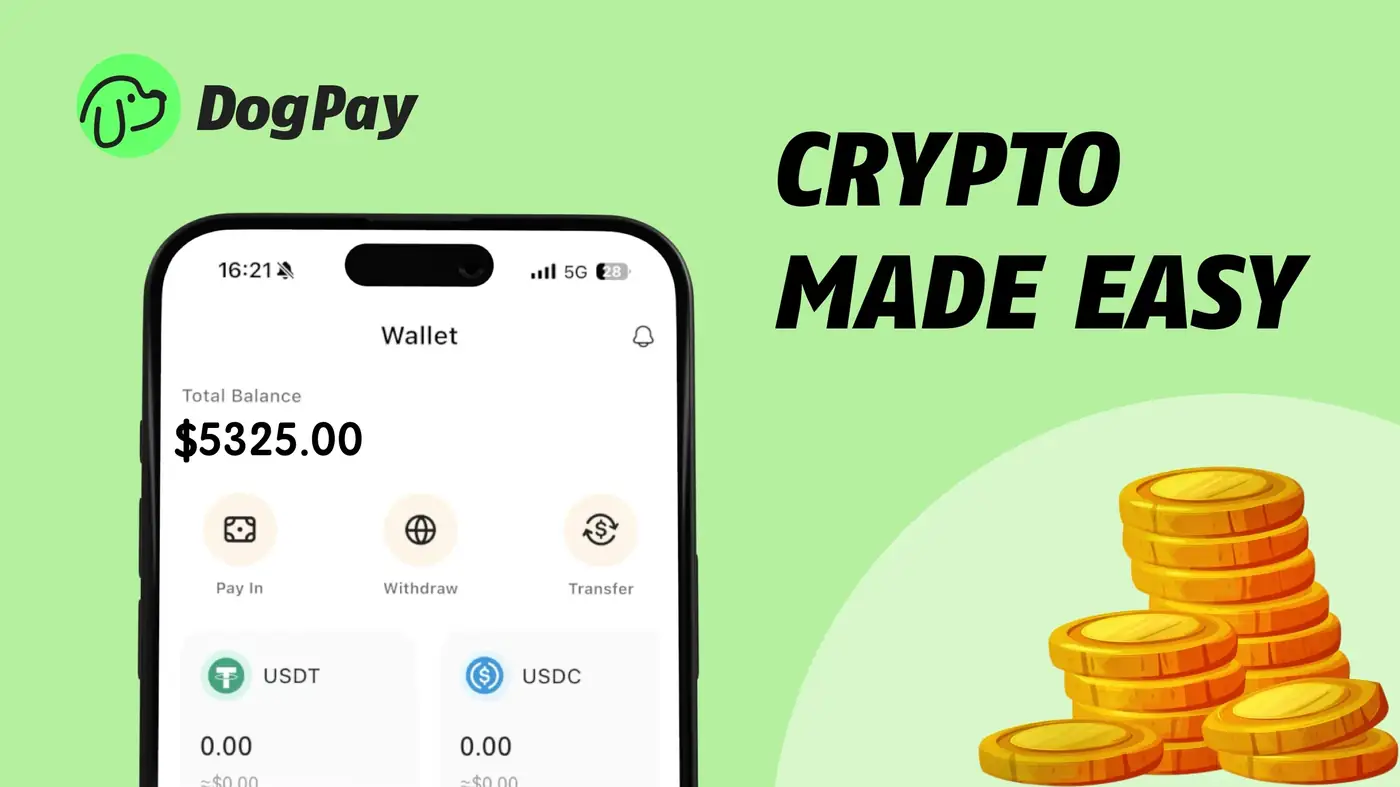
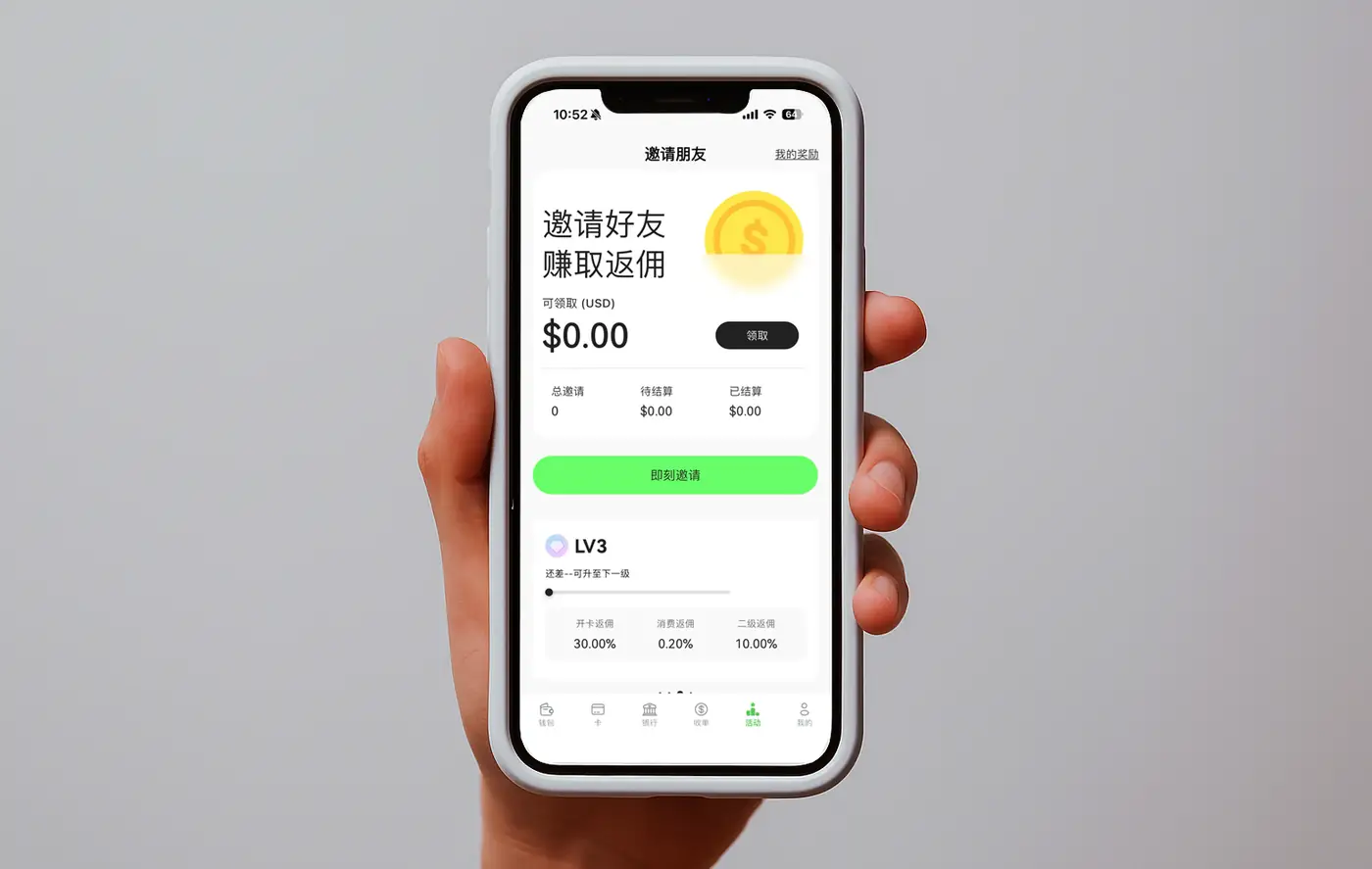
Managing supplier payments across borders often involves high fees, slow transfers, and currency conversion hassles. DogPay offers a practical alternative. With DogPay, businesses can issue dedicated virtual cards for each supplier, set spend limits, and settle invoices using USDC stablecoins. This approach reduces dependency on traditional banking rails and provides real-time visibility into outgoing payments.
DogPay's global accounts allow you to hold and transact in multiple currencies, making it easier to pay international suppliers without multiple intermediaries. The platform's wallet infrastructure supports both fiat and stablecoin settlement, giving you flexibility. You can fund your DogPay wallet via bank transfer, crypto deposit, or card top-up, then use those funds to pay suppliers instantly.
Compliance is built in: DogPay helps with KYC checks and transaction monitoring, so you can maintain proper records. By using virtual cards for supplier payments, you can control exactly how much is spent and on which vendor. This reduces the risk of unauthorized spending and simplifies reconciliation.
DogPay fits into your payment workflow as a central hub for supplier disbursements. Create a dedicated card for each supplier, allocate the invoice amount, and settle in USDC or fiat. Your team gains spend visibility, and suppliers receive payments faster than traditional bank wires. For businesses seeking efficient, controlled, and modern payment operations, DogPay provides the necessary tools without overpromising on integrations or guarantees.