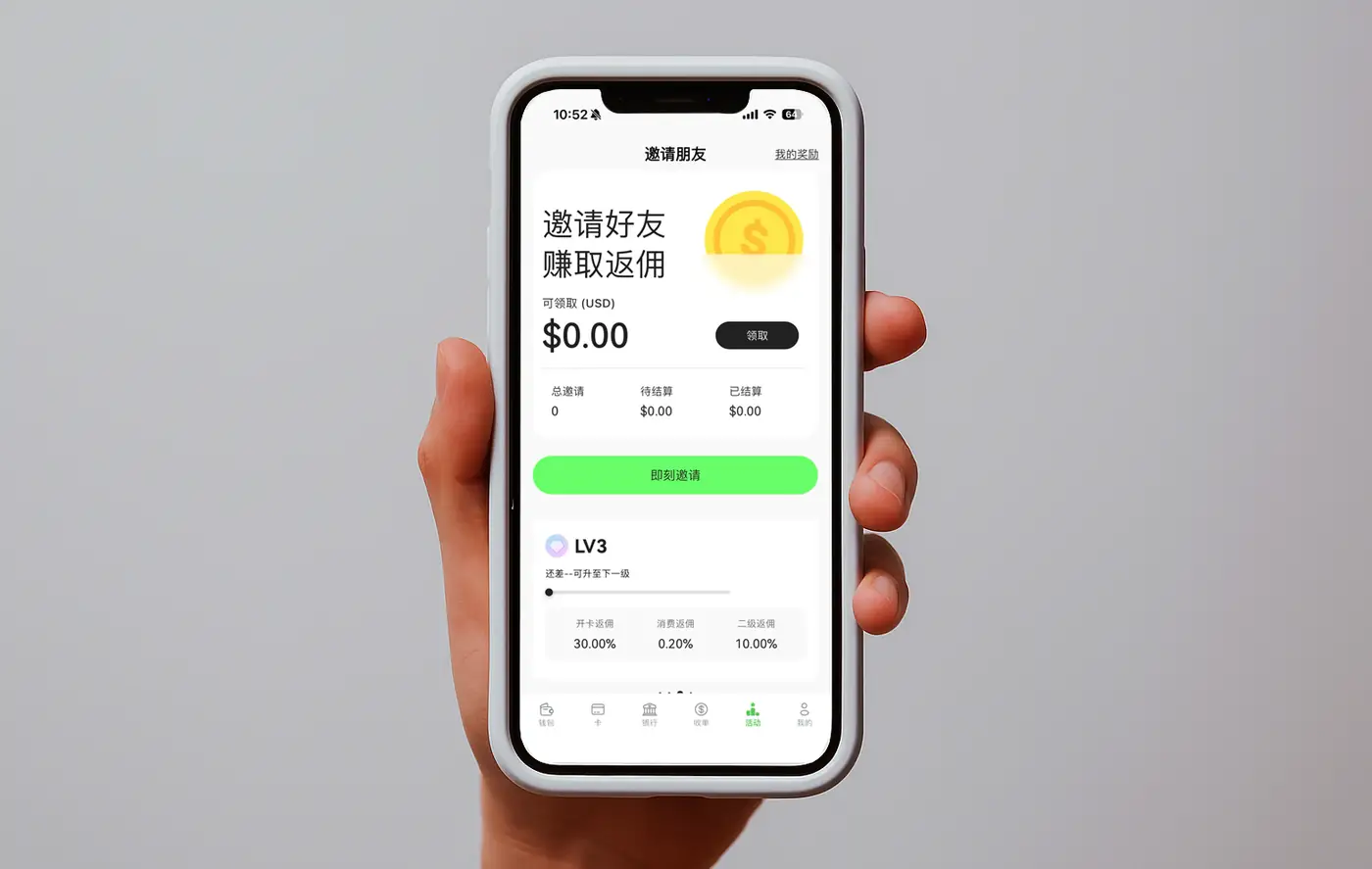
DogPayCard
For businesses navigating both crypto and traditional finance, DogPay’s virtual card solution provides a practical way to manage everyday expenses. By funding a global account with stablecoins, you can generate dedicated virtual cards for team members or specific projects. Each card works wherever major card networks are accepted, so you can pay for software subscriptions, digital ads, travel, or other vendor costs without needing a traditional bank account in every country.
The main advantage lies in spend control and visibility. Instead of sharing one central card, you can issue multiple cards with individual limits and track transactions in real time. This reduces the risk of unauthorized use and simplifies reconciliation. For finance teams, having a clear overview of where funds are going is essential, especially when working across borders.
DogPay also supports stablecoin settlement, which means you can keep funds in digital assets like USDC or USDT and settle payments when needed. This approach can help businesses avoid some of the friction associated with cross-border bank transfers, such as currency conversion fees or delays. However, it is important to note that card acceptance is subject to the merchant’s payment infrastructure, and not all merchants may support crypto-funded cards.
To get started, you would typically verify your business, fund your DogPay account with stablecoins or supported fiat, and then create virtual cards for your team. The process is designed to be straightforward, but you should always review the current terms and conditions.
DogPay fits into your payment workflow as a managed platform that combines global accounts, virtual cards, and stablecoin settlement. It helps your business maintain better oversight of spending, reduce the need for multiple banking relationships, and move toward a more flexible payment infrastructure. While it offers these tools, it does not replace your existing bank or accounting software, so you may still need to handle final reconciliation in your own systems.