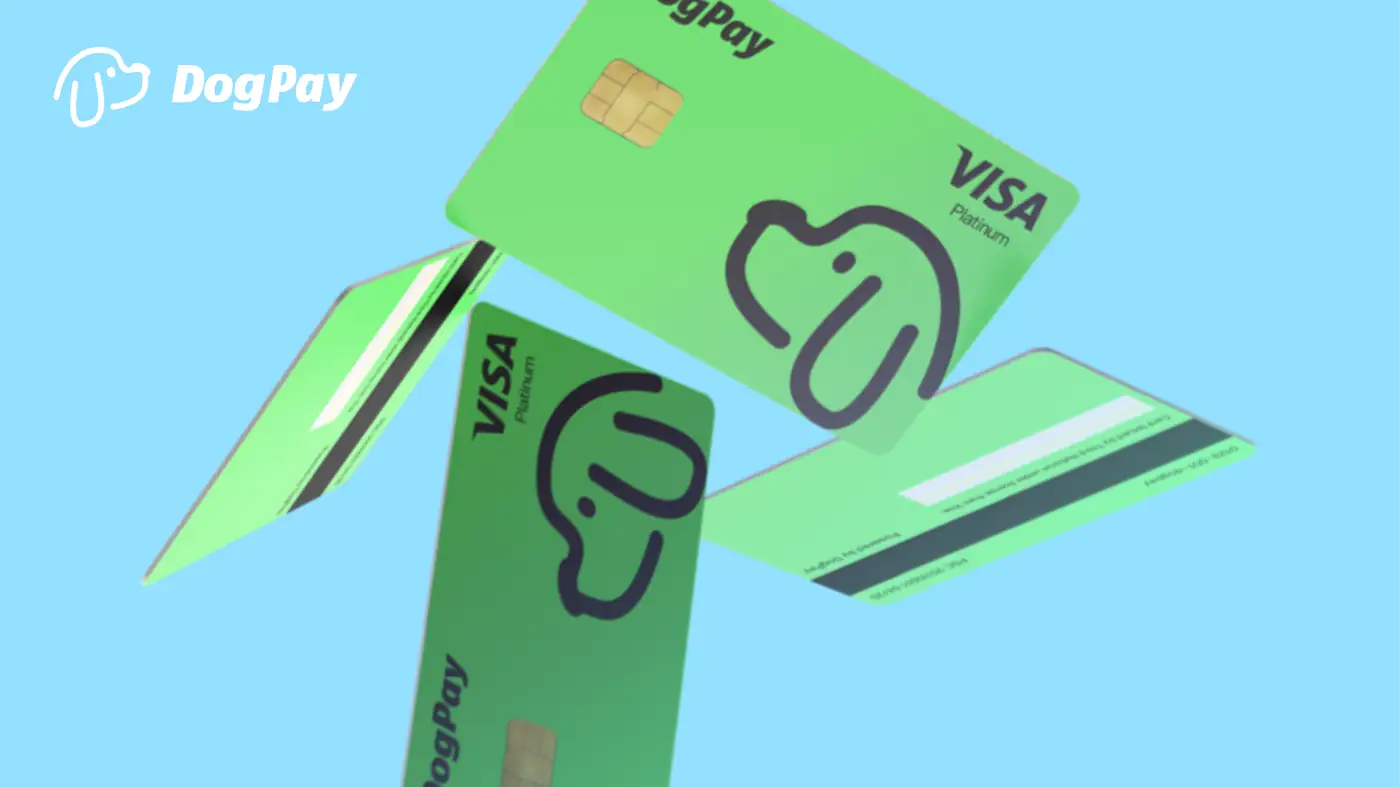
DogPayCard
Businesses often juggle multiple SaaS subscriptions, each with its own billing cycle and price. DogPay virtual cards can help by providing a dedicated card per vendor, making it easier to track spending and manage renewals. Instead of using a shared corporate card, you can assign a specific card to each SaaS tool, then set transaction limits that match your expected monthly spend. This approach gives you clearer visibility into where money goes and helps prevent surprise overcharges—though it does not guarantee that a merchant will accept the card or that a payment will never fail.
For teams, DogPay offers global accounts and wallet infrastructure that support stablecoin settlement. This means you can fund your virtual cards with crypto or fiat equivalents, then pay SaaS providers in their local currency. The ability to convert and settle in stablecoins can simplify cross-border payments and reduce reliance on traditional banking rails. However, DogPay does not claim to eliminate all payment errors or automatically top up cards; you manage your own funding and limits.
When reviewing subscriptions, you can use DogPay's dashboard to see which cards are active, which vendors are charging, and how much you have spent over time. This helps with budgeting and can alert you to unused services you might want to cancel. But remember: payment success depends on the merchant and network, not just your card setup.
DogPay fits into your payment operations by acting as a flexible layer between your funds and SaaS vendors. With controlled cards, global reach, and stablecoin options, you can manage recurring billing more deliberately—without relying on a single bank account or currency. Start small by testing one card with a frequent subscription, then expand as you see fit.