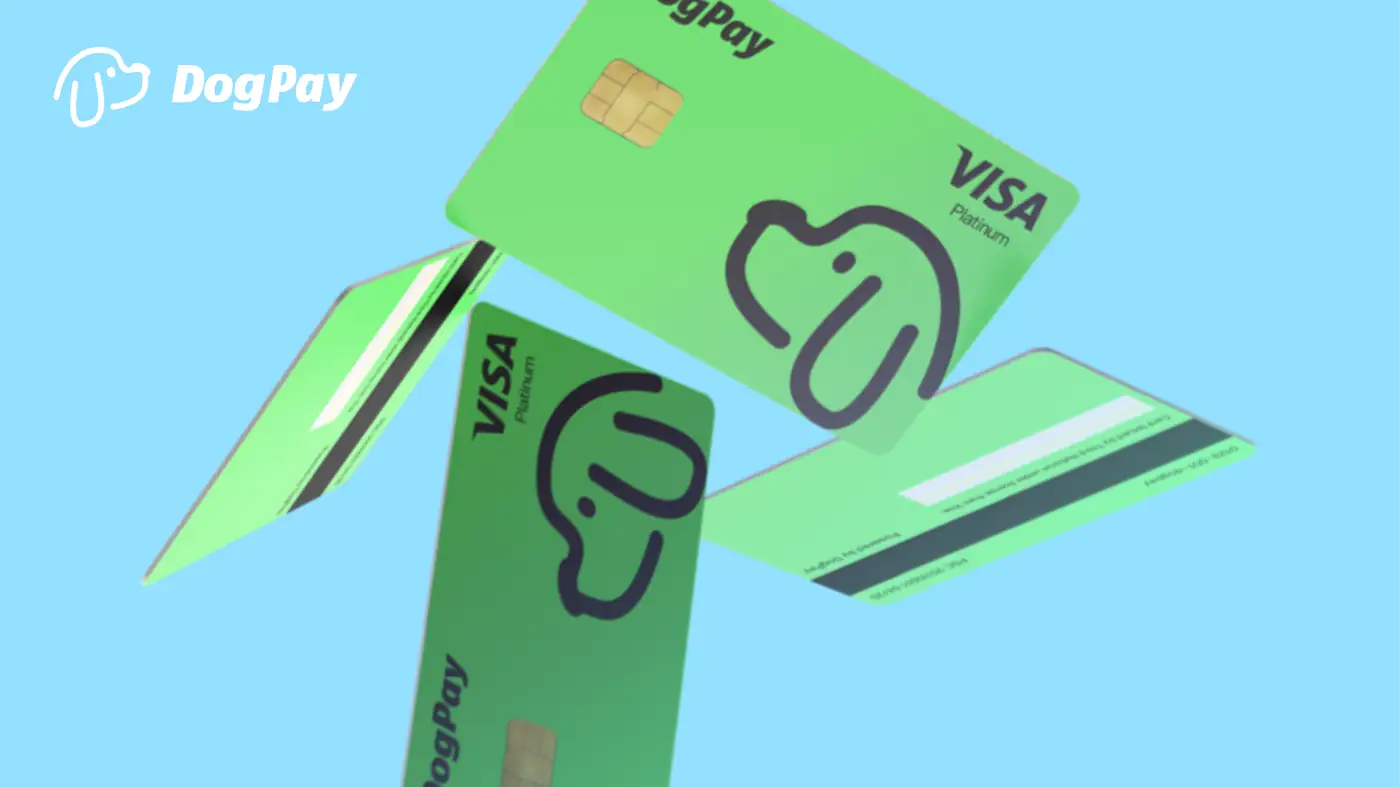
DogPayCard
Businesses often subscribe to multiple AI services—such as ChatGPT, Claude, Midjourney, or Copilot—each with recurring monthly fees. Managing these subscriptions manually can lead to missed payments, unexpected charges, or difficulty tracking expenses across departments. DogPay virtual cards can help streamline this process.
With DogPay, finance teams can create dedicated virtual cards for each AI subscription. Each card can be assigned a fixed spending limit and set to expire after the first use or on a specific date, reducing the risk of overcharging. The cards are issued instantly and can be funded via stablecoins (e.g., USDC, USDT) or other supported assets, settling in near real-time.
DogPay also provides a global account and wallet infrastructure, allowing businesses to hold and manage funds in multiple currencies. When paying for AI subscriptions, companies can convert stablecoins to fiat at settlement, avoiding traditional banking delays. Spend visibility tools help track which subscriptions are active, how much is being spent per vendor, and where to adjust budgets.
For teams with multiple users, DogPay supports card issuance per employee or per department, with custom spending rules. This adds a layer of control without requiring manual approval for each transaction. However, DogPay does not guarantee that specific AI vendors will always accept its cards—acceptance depends on the vendor's card payment network.
DogPay fits into the payment workflow by acting as a bridge between a company's crypto or stablecoin holdings and the fiat-based subscription billing systems of AI platforms. Instead of wiring funds or linking a personal card, businesses can use DogPay virtual cards to maintain separation between operational accounts and employee spend, while benefiting from faster settlement and reduced forex fees.