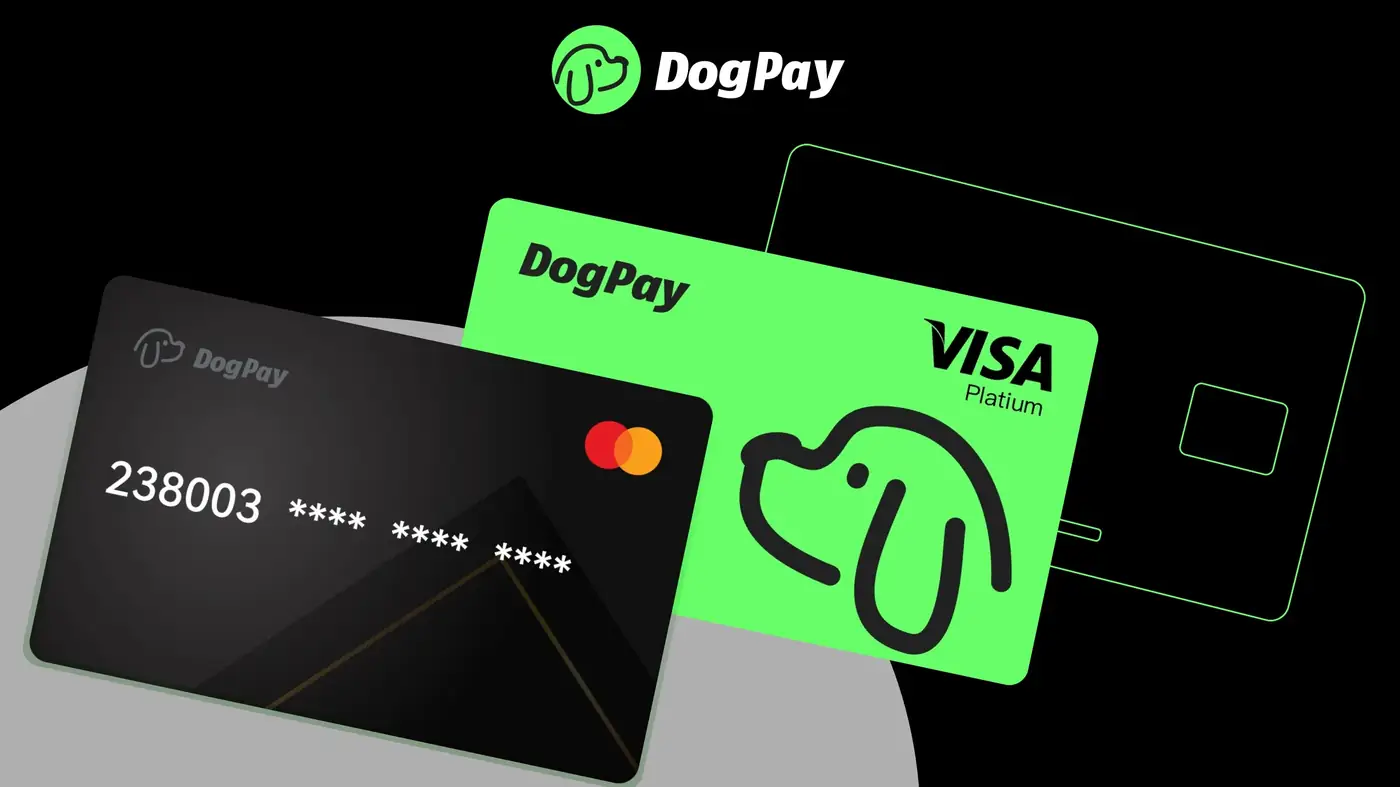
Cloud billing typically means recurring invoices from providers like AWS, Azure, or Google Cloud. To pay these with DogPay, start by funding your DogPay wallet (or global account) with fiat or stablecoins. Then generate a dedicated virtual card for each cloud provider or subscription. Use that card as the default payment method in your provider’s billing console. Because DogPay cards are tied to your wallet balance, you can control spend per card and monitor transactions in real time. When a payment is due, the provider charges the card, and the settlement is processed through DogPay’s infrastructure. If a payment fails due to insufficient funds, you can top up the wallet and retry, but DogPay does not automatically refill cards. For multi-entity businesses, you can issue separate cards per project or department, keeping cloud costs visible and manageable. DogPay also supports stablecoin settlement, which can streamline cross-border payments. This workflow helps businesses maintain payment continuity and reduce manual intervention. However, card acceptance depends on the cloud provider’s payment network, and DogPay cannot guarantee that every provider will accept the card. To implement, you need a verified DogPay account, sufficient wallet balance, and a clear mapping of which card pays which cloud bill. Regularly review your transaction logs to spot anomalies and adjust limits. While DogPay simplifies the process, it does not eliminate all payment failures, so keep a buffer balance to minimize interruptions. Overall, DogPay provides a flexible, controllable method to handle cloud billing payments with virtual cards and stablecoin settlement.
Cloud Billing / 5 min read
Using DogPay for Cloud Billing: A Business Payment Guide
Learn how businesses can use DogPay for cloud billing payments with virtual cards, global accounts, and stablecoin settlement. Practical steps and operational fit.

DogPayCard Editorial