
International Merchant Card Decline: How Can Businesses Use DogPay for Continuity?
 DogPayCard Editorial
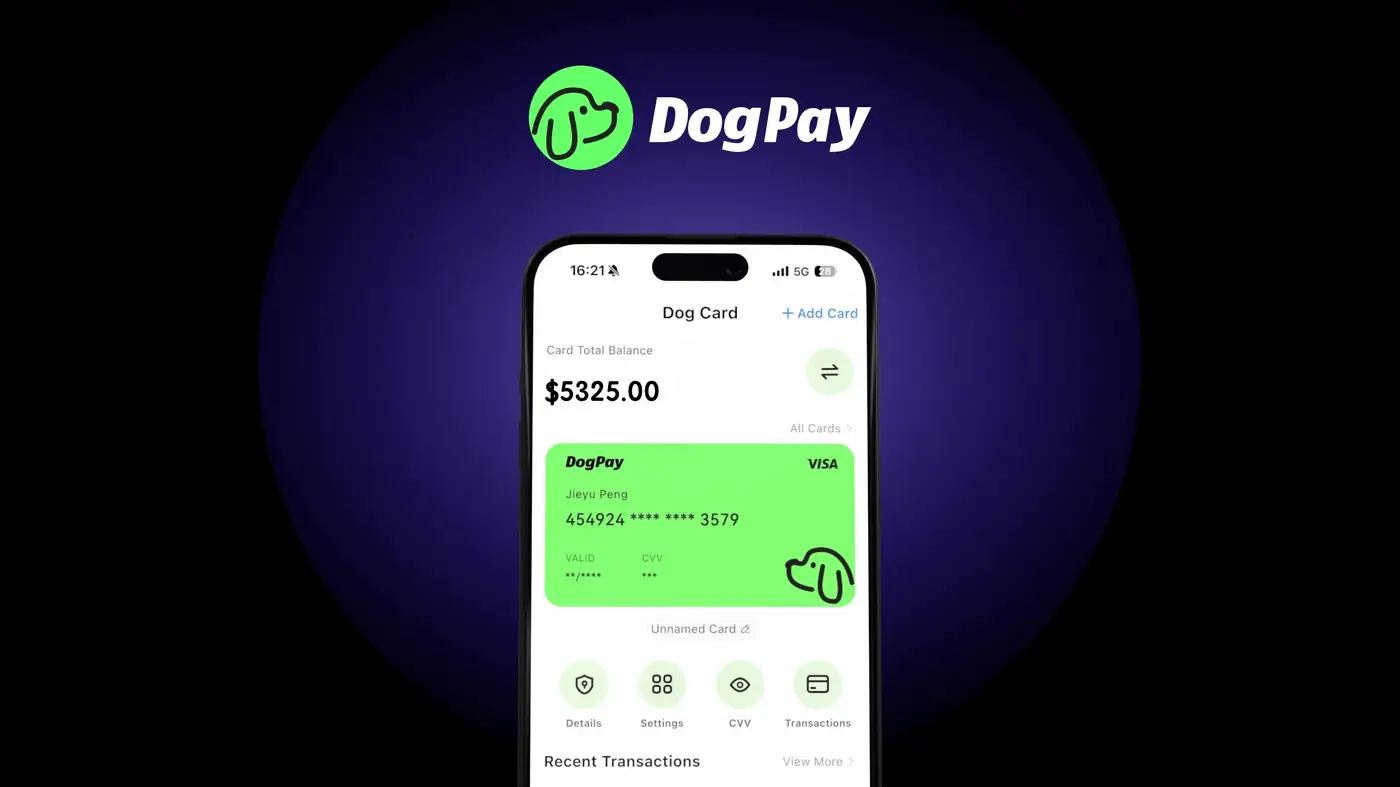
An international merchant card decline usually happens for practical reasons: issuer rules, currency mismatches, risk checks, or limits on a shared corporate card. The result is the same: a subscription, supplier invoice, or ad platform payment stops at the worst moment. Businesses can use DogPay as part of a payment operations layer to reduce that single point of failure.
A first step is separating spend by purpose. Instead of one card handling many vendors, a business can use DogPay virtual cards for specific merchants, teams, or subscriptions. If one card is declined, other payments are not affected, and finance can review or replace that card without freezing all spending.
A second step is currency and account structure. DogPay global accounts and wallet/payment infrastructure can support holding and moving funds for cross-border payments, so teams are not always relying on a single local card or bank rail. Where stablecoin settlement fits the workflow, it can add another way to fund and settle payments, subject to eligibility and compliance checks.
A third step is visibility. Spend controls and payment records make it easier to see which card was used, which merchant declined it, and what needs attention. That helps finance teams respond faster and document the issue.
DogPay does not guarantee merchant acceptance or approval, and card outcomes still depend on the merchant, issuer, and compliance review. What DogPay can help with is dedicated virtual cards, global accounts, stablecoin settlement, wallet and payment infrastructure, spend visibility, and payment operations, giving businesses more ways to manage international card declines.