
How should businesses use DogPay prepaid vs virtual cards for spend?
 DogPayCard Editorial
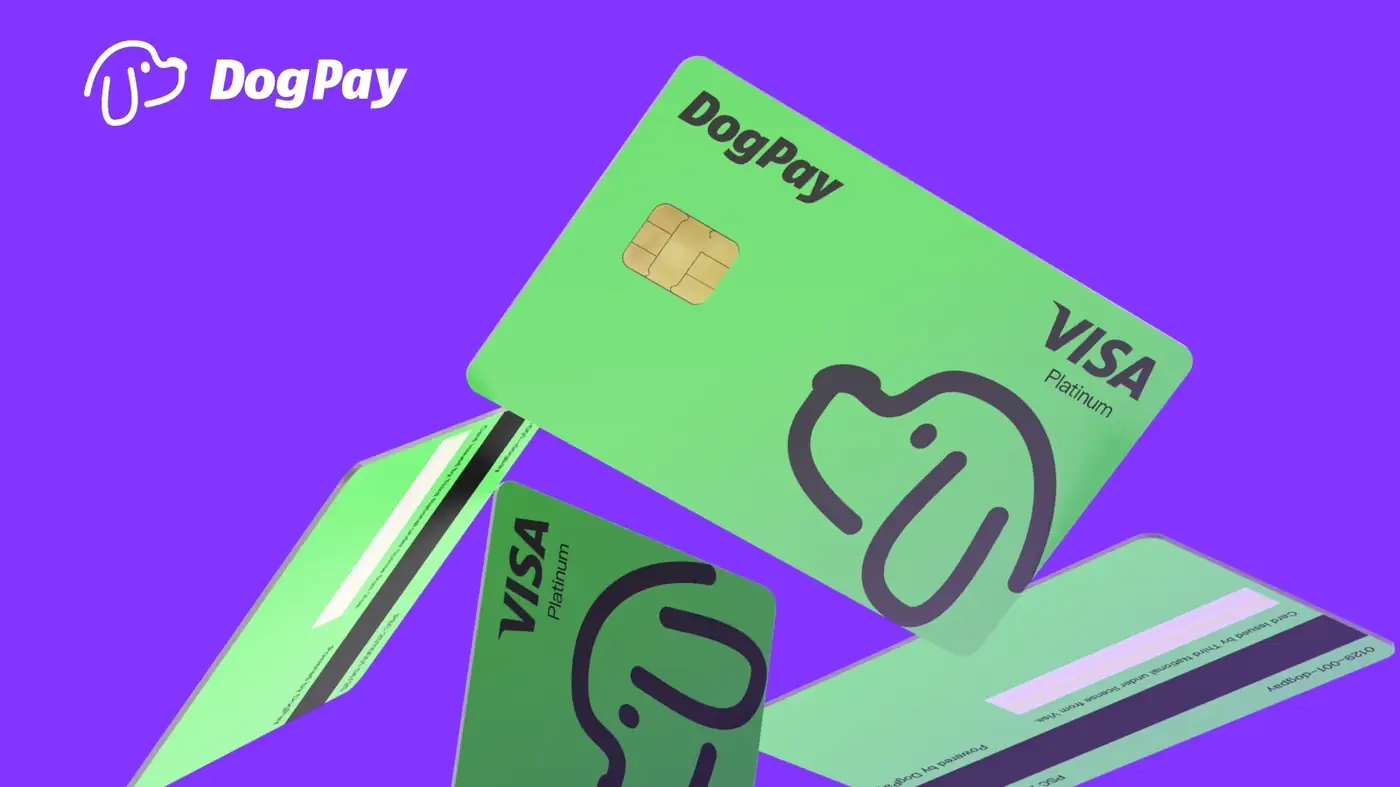
Choosing between DogPay prepaid and virtual cards depends on your spending context. Prepaid cards work well for fixed budgets, employee allowances, or offline purchases where a physical card is required. You load a specific amount, and spending stops when the balance runs out. Virtual cards generate unique card numbers for online transactions, recurring subscriptions, or vendor payments. They help you compartmentalize spend and set per-card limits. For example, a marketing team might use a virtual card for ad platform payments, while a field team uses a prepaid card for travel expenses. DogPay can help with both: virtual cards for controlled, vendor-specific online spend, and prepaid cards for predefined budgets. Neither option provides credit; both rely on available funds. For optimized control, you might allocate a virtual card to each subscription or vendor, and use prepaid cards for broader departmental spending. Always monitor balances and transaction details within your DogPay dashboard to maintain spend visibility. Ultimately, your choice should align with how you need to manage, track, and cap spending. DogPay supports dedicated cards, global accounts, stablecoin settlement, and wallet infrastructure to streamline payment operations for your business.