
International Merchant Card Declined? How Businesses Can Use DogPay to Keep Paying
 DogPayCard Editorial
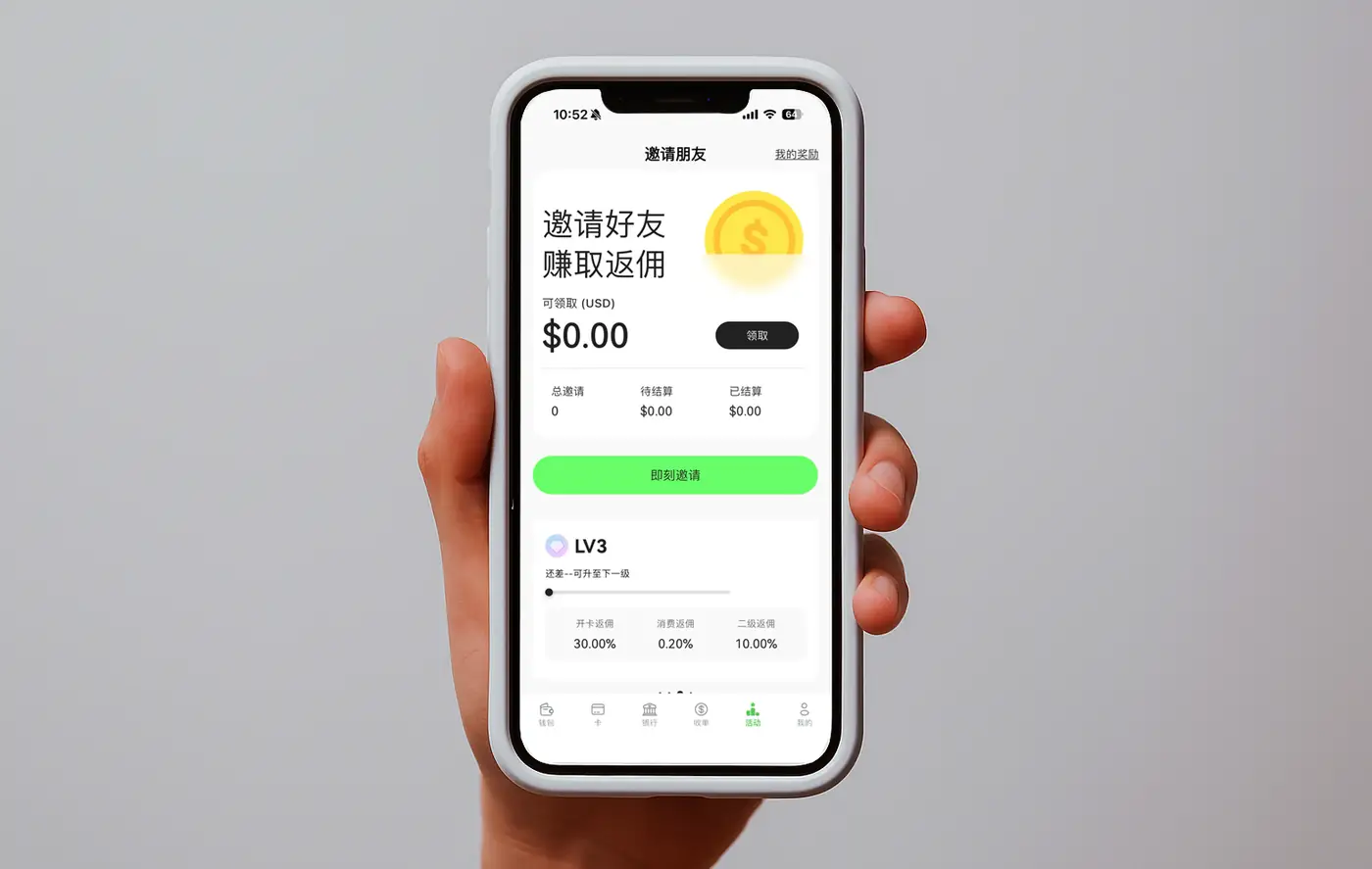
An international merchant card decline is common when cross-border rules, currency mismatches, fraud checks, or issuer limits block a business payment. Instead of retrying the same card, finance teams can route that spend through DogPay virtual cards and global accounts.
First, identify the decline reason. A merchant message may point to currency, region, or verification issues. If the merchant accepts virtual cards, a DogPay virtual card can be issued for that specific vendor, with a set limit and purpose. This keeps the payment separate from your main corporate card and makes it easier to see what was charged.
Second, match the currency. DogPay global accounts and stablecoin settlement can help businesses hold and move funds across borders, so a merchant is not hit by avoidable conversion problems. Settlement timing and availability depend on the corridor and provider rules.
Third, create a repeatable fallback. Keep a DogPay card ready for recurring international vendors, document which merchants accept virtual cards, and review spend in one place. This improves payment operations and visibility without promising that every merchant will approve every transaction.
DogPay fits the workflow by providing virtual cards, global accounts, stablecoin settlement, wallet and payment infrastructure, and spend visibility. Teams can use these tools to reduce friction when a card is declined and keep vendor payments moving, while still checking each merchant's rules and each region's requirements.