
Virtual vs Physical Card: How Businesses Use Both for Spend Control
 DogPayCard Editorial
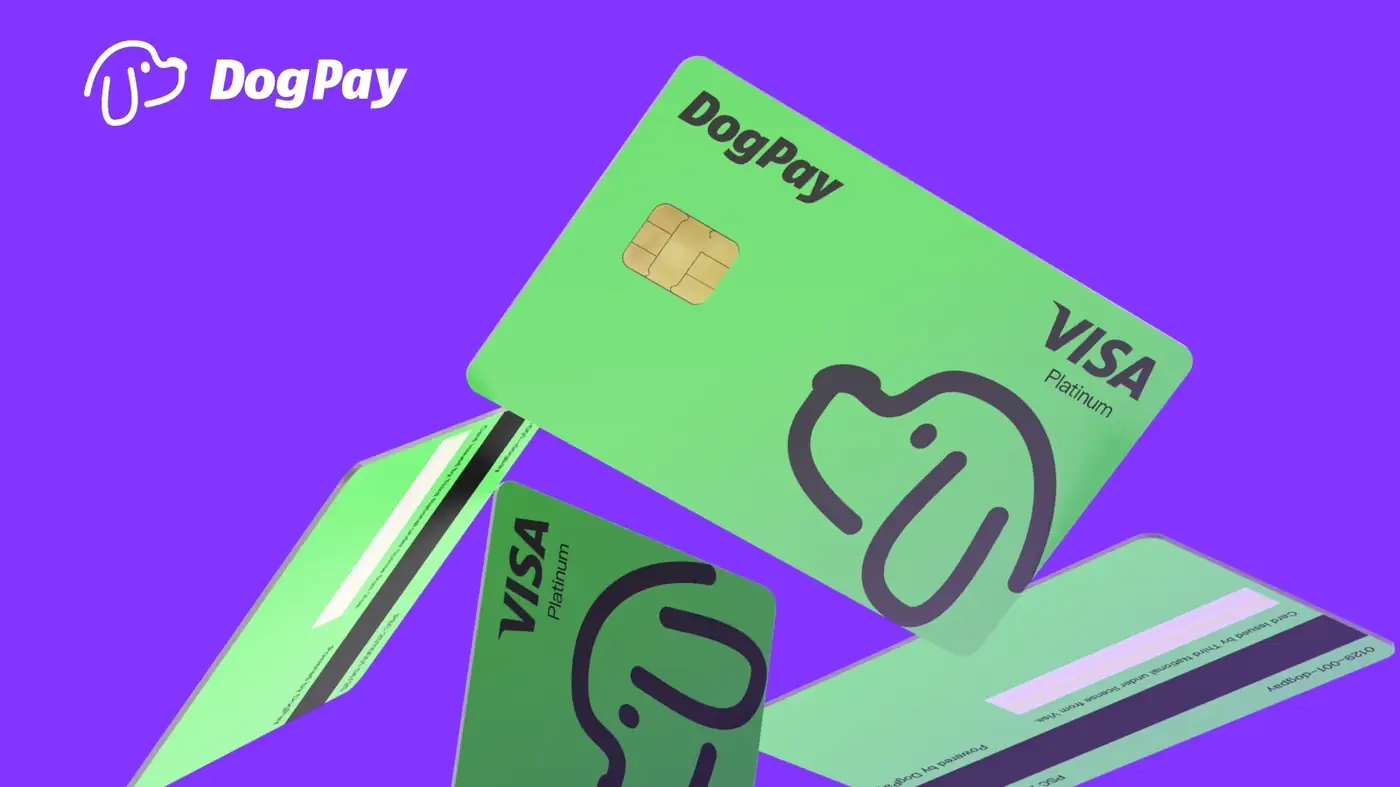
Businesses today manage expenses across online services and offline purchases. DogPay offers both virtual and physical cards to address these distinct needs, providing flexibility without sacrificing control.
Virtual cards are ideal for recurring subscriptions, ad spend, and digital services. Each virtual card has its own limits and can be paused or deleted instantly, preventing unauthorized charges. Teams can issue unique cards per vendor, making tracking and reconciliation simpler.
Physical cards support in-person spending like travel, supplies, or client meetings. They work wherever standard card payments are accepted. With adjustable spending limits per card, managers can allocate budgets for specific employees or departments.
Both card types are linked to a global account that supports fiat and stablecoin settlement. This means businesses can fund cards with USD, EUR, or USDC, depending on their cash flow needs. Real-time transaction data provides visibility into every purchase, aiding budget management.
Adopting both virtual and physical cards allows businesses to centralize spend control while accommodating diverse payment methods. DogPay's platform enables issuing cards on-demand, setting per-card limits, and monitoring usage through a unified dashboard.
DogPay helps businesses streamline their payment workflow by offering dedicated virtual and physical cards, a global account for multi-currency funding, stablecoin settlement for fast and low-cost transfers, and wallet/payment infrastructure that integrates with existing systems. This setup supports spend visibility, payment operations, and efficient team expense management.