
How Can Businesses Use DogPay for Virtual Cards? A Practical Overview
 DogPayCard Editorial
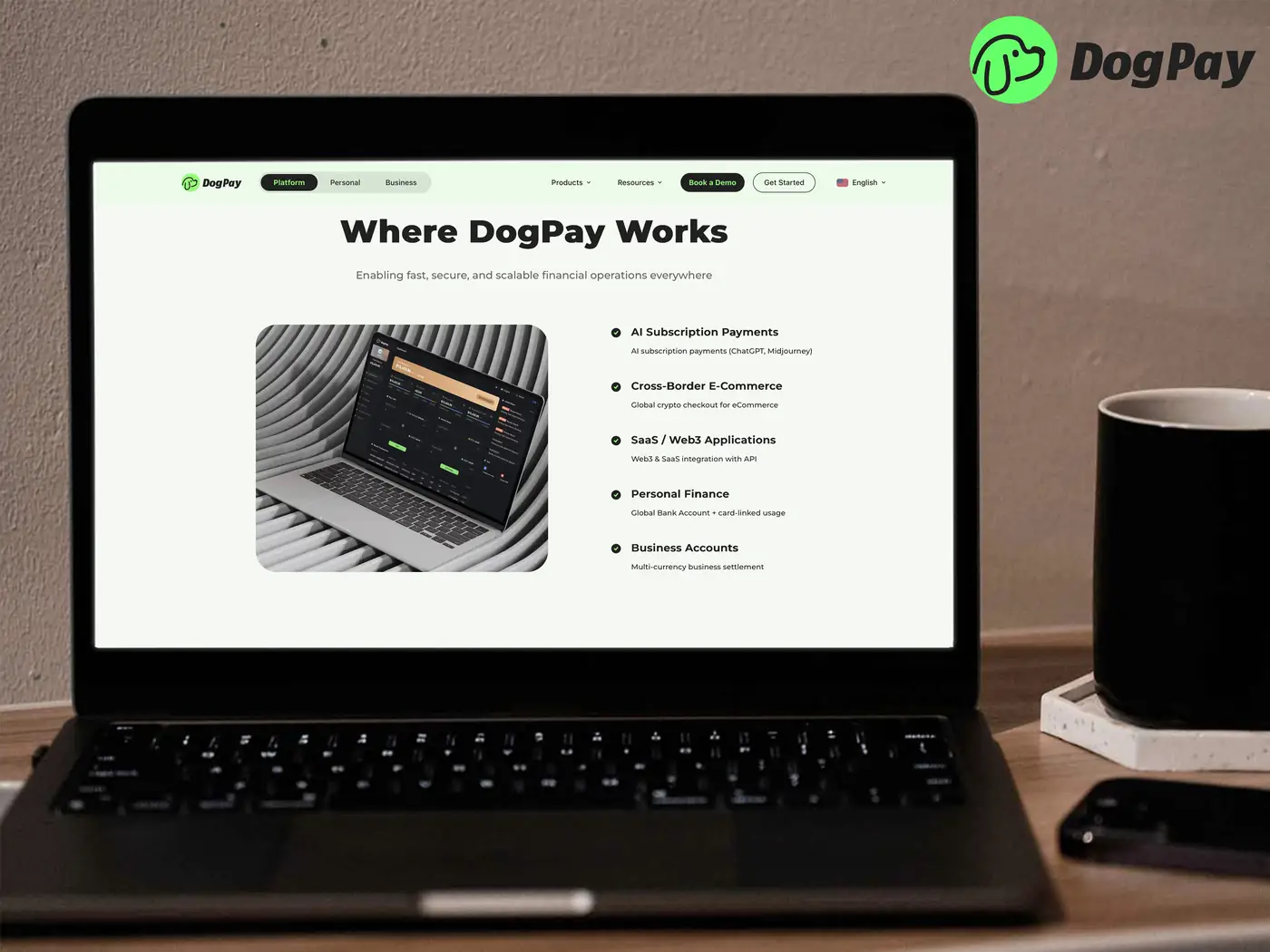
How can businesses use DogPay for virtual cards? The practical answer is to treat DogPay virtual cards as dedicated payment instruments for specific teams, vendors, or recurring online services, rather than relying on a single shared corporate card.
A common approach is to issue a separate virtual card for each vendor, subscription, or department. This makes it easier to see which team or project is responsible for a charge, and it can reduce the risk of one compromised card affecting unrelated services. Businesses can also use DogPay global accounts and wallet/payment infrastructure to support payments in different currencies where available, while stablecoin settlement may help with certain cross-border payment workflows.
For day-to-day operations, teams can assign cards to marketing, software, or ad spend, then review transactions through spend visibility features. If a subscription is cancelled or a vendor changes, the card can be closed or replaced without disrupting other services. This setup supports payment operations and reconciliation, but it does not replace accounting judgement or local compliance requirements.
DogPay fits the payment workflow by offering virtual cards, global accounts, stablecoin settlement, and wallet/payment infrastructure that can help businesses organize online payments, improve spend visibility, and manage payment operations. Availability and features can vary by region and account type, so businesses should review current DogPay documentation and their own compliance needs before relying on any specific capability.