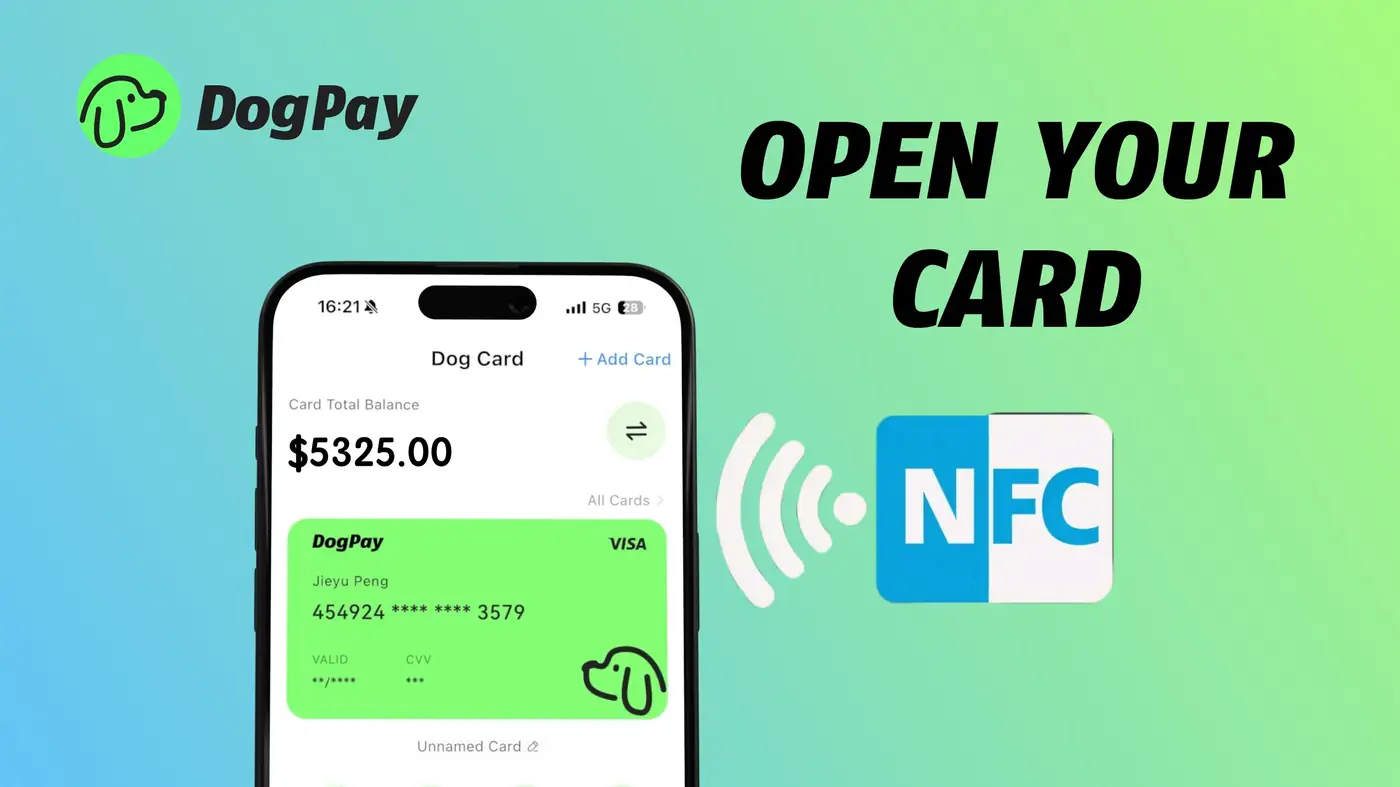
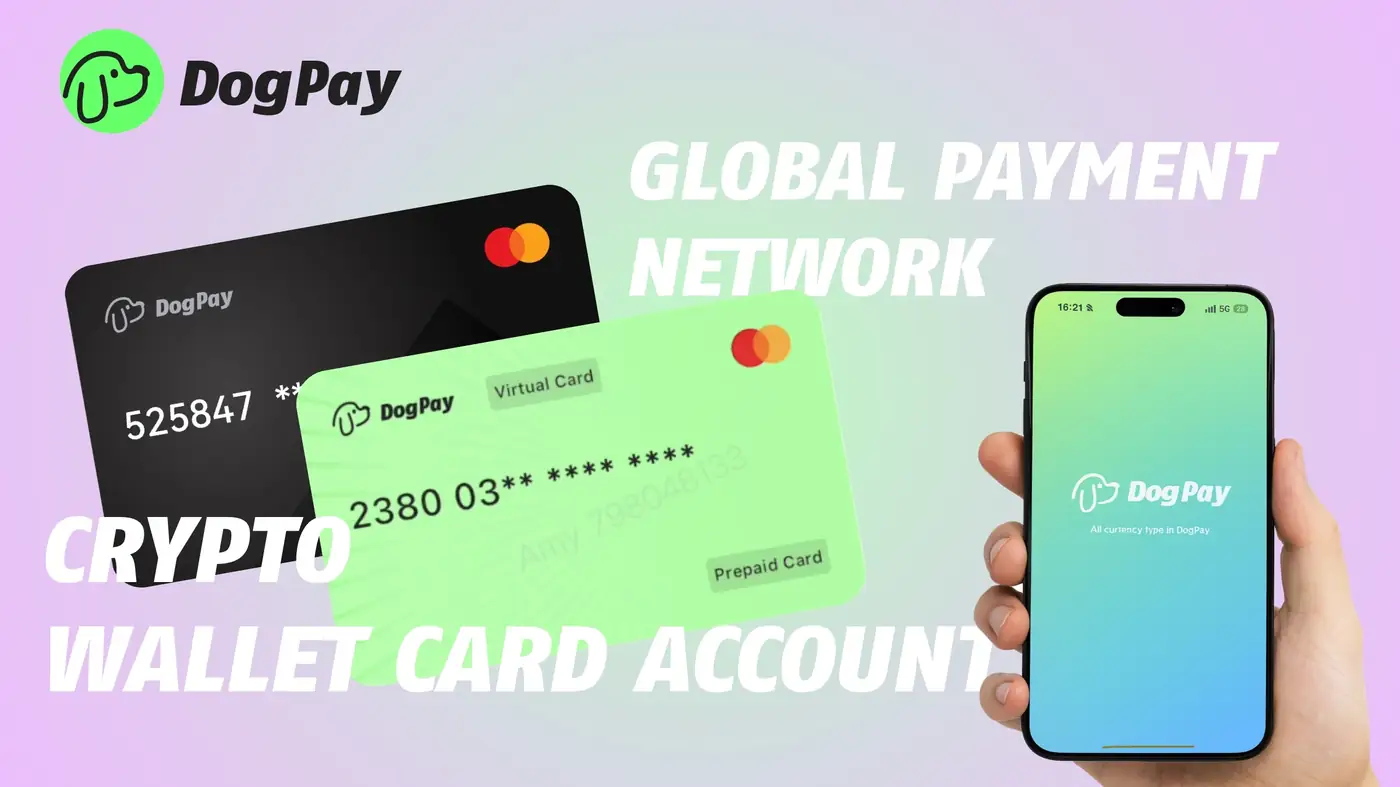
Managing spending across both fiat and crypto can feel complex. DogPay offers a practical way to handle this by combining dedicated virtual cards, global accounts, and stablecoin settlement options in one platform. But how can you actually use DogPay to control spending? Start by setting up separate accounts for different teams or projects—one for fiat, another for crypto. Use DogPay's cards for everyday purchases, whether you're paying for software subscriptions or contractor invoices. Because DogPay supports multiple currencies and stablecoins, you can choose the payment method that fits each transaction. To keep spending in check, you can rely on real-time visibility into transactions and set limits on cards. This helps you monitor where money goes without micromanaging every purchase. DogPay does not automatically refill cards or guarantee acceptance everywhere, but it can help you maintain oversight. For finance teams, having a unified view of fiat and crypto balances simplifies reconciliation. You can also move funds between accounts as needed, using stablecoins for faster settlement where appropriate. The key is to design a workflow that matches your business: define budgets, assign cards to specific categories, and review spending patterns regularly. DogPay can help with dedicated cards, global accounts, and stablecoin settlement, giving you the infrastructure to manage both worlds. While no tool can promise zero failed payments, DogPay's approach reduces friction by letting you pay in the currency that suits the situation. For businesses exploring global operations, DogPay provides tools to handle cross-border payments without juggling multiple platforms. Ultimately, DogPay fits into your payment workflow as a flexible layer that connects your fiat and crypto accounts, offering cards, spend visibility, and payment operations in one place—so you can focus on growth, not administrative overhead.
Spend Control / 5 min read
How Can Businesses Manage Fiat and Crypto Spend with DogPay?
Learn how DogPay helps businesses combine fiat and crypto accounts with virtual cards, global reach, and spend controls—without overpromising.

DogPayCard Editorial