DogPayCard
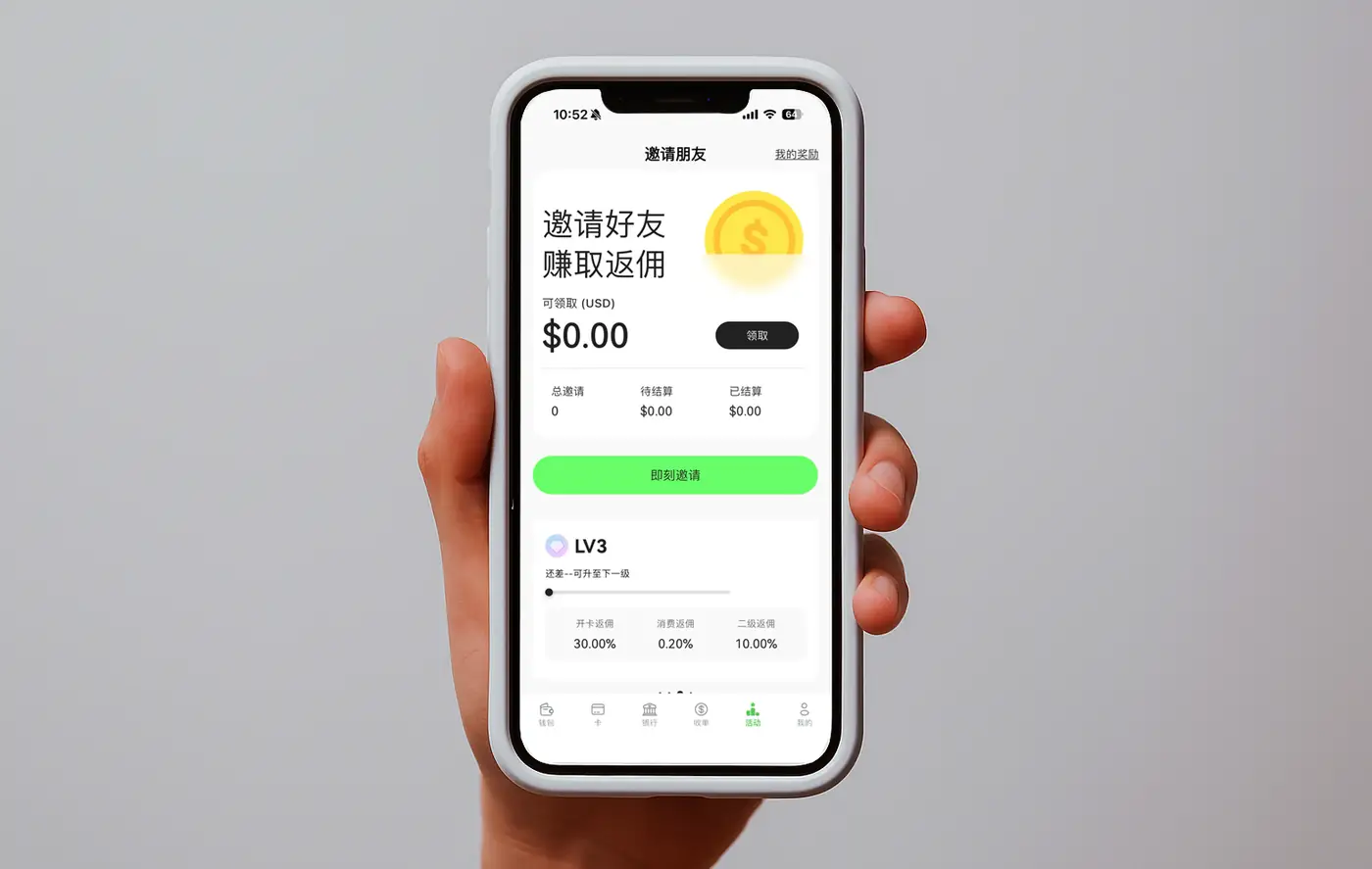
Businesses holding USDT often need a practical way to use those funds for everyday purchases like software subscriptions, ad campaigns, or contractor payments. DogPay offers a workflow that connects stablecoin holdings to virtual card spending. Instead of converting USDT to fiat through a traditional bank, you can fund a DogPay global account with USDT and then issue dedicated virtual cards for specific teams or projects.
The process typically starts by setting up a DogPay account and completing identity verification. After that, you can transfer USDT from your own wallet to your DogPay account. Once the funds are settled, you can create virtual cards with defined spending limits and assign them to different business purposes. This approach gives you better spend visibility and control, as each card can be restricted to certain merchants or categories.
For global SaaS teams, this setup is especially helpful for vendor and ad spend. You can allocate a card for Google Ads, another for AWS, and another for freelance platforms. DogPay handles the card issuance and settlement infrastructure, while you retain oversight through real-time transaction reporting. It is important to note that card acceptance depends on the merchant and network, and not all payments are guaranteed. However, using stablecoin settlement can reduce reliance on traditional banking rails and help you manage international expenses more efficiently.
DogPay fits into this payment workflow by providing the infrastructure to hold USDT, convert it into spendable card funds, and manage multiple virtual cards from one dashboard. While DogPay does not guarantee approval or universal acceptance, it offers a streamlined path for businesses to use stablecoin liquidity for operational expenses.