
DogPay Virtual Card vs Prepaid Card: How Should Businesses Use Them?
 DogPayCard Editorial
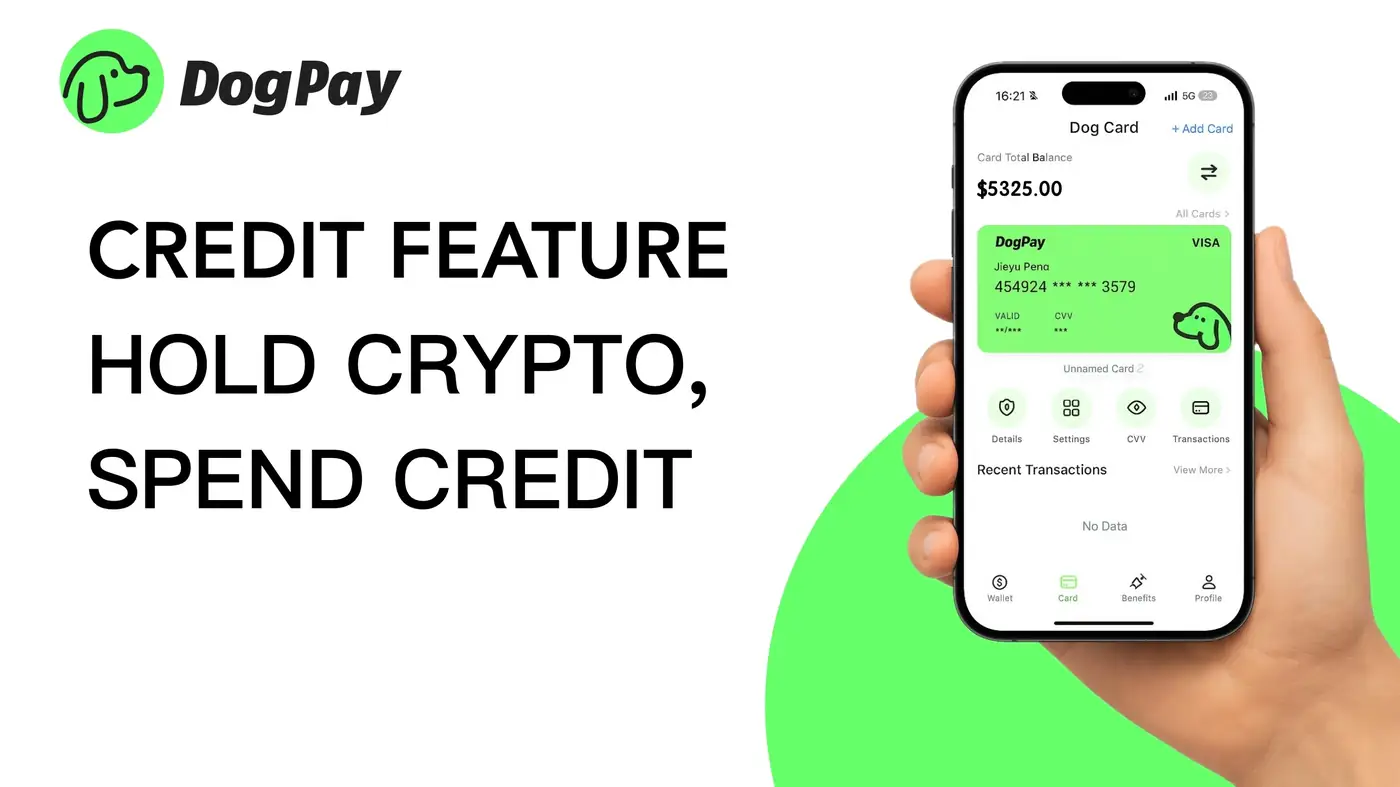
Businesses often ask whether a DogPay virtual card or a prepaid card better suits their spending needs. The answer depends on the payment scenario.
Virtual cards are digital payment numbers linked to a funding source. They are useful for recurring subscriptions, online advertising, and remote team expenses because each card can be assigned to a specific vendor or employee. Virtual cards can help you manage spend by setting limits and tracking transactions in real time. They are often provisioned instantly and can be paused or closed with a few clicks, reducing the risk of unauthorized use.
Prepaid cards are loaded with a fixed balance and can be used until funds run out. They work well for one-time projects, contractor payments, or budgets that must not exceed a set amount. Prepaid cards may be physical or virtual, and they provide a natural ceiling on spending.
For most SaaS teams, a mix works best. Use virtual cards for ongoing charges like software licenses or ad platforms where you want to maintain continuity. Use prepaid cards for short-term campaigns or when you need to hand a card to a non-employee without exposing your main account.
DogPay offers both virtual and prepaid card options within a unified platform. You can manage global accounts, settle in stablecoins, and view all card activity from one dashboard. DogPay can support dedicated cards for different purposes, enable real-time spend visibility, and streamline payment operations. By choosing the right card type for each situation, your team can keep spending controlled while maintaining flexibility.