
What Is the Difference Between a Stablecoin Payment and a Fiat Account Transfer?
 DogPayCard Editorial
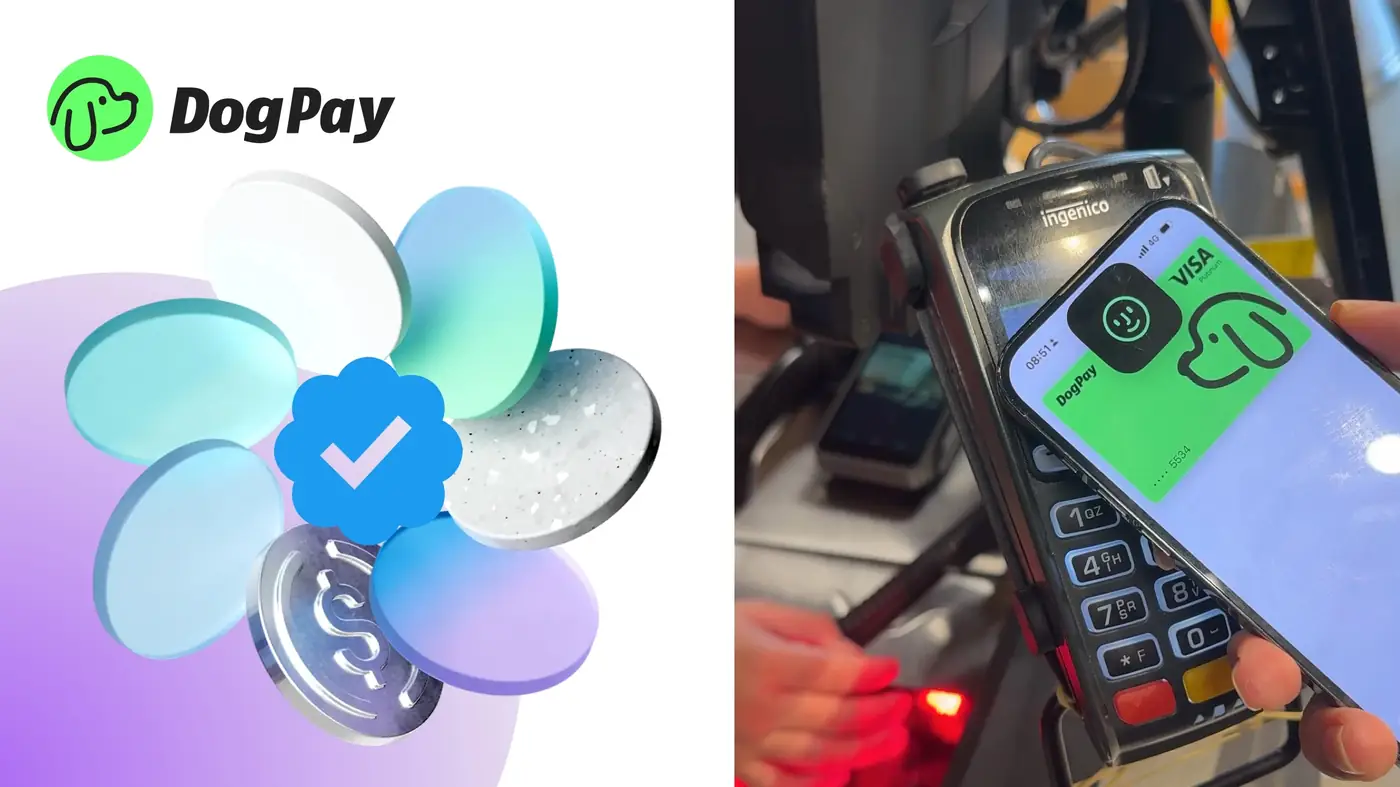
A stablecoin payment transfers a digital asset pegged to a fiat currency on a blockchain network, while a fiat account transfer moves traditional bank money through banking rails such as ACH, SWIFT, or Fedwire. The key difference lies in the settlement infrastructure, the parties involved, and the finality of the transaction.
Settlement Infrastructure and Finality
Stablecoin payments settle on a blockchain, where transaction finality depends on the network's consensus mechanism. Once confirmed, the transfer is irreversible and recorded on a public or permissioned ledger. Fiat account transfers settle through the banking system, where finality depends on the specific rail: ACH may allow reversals, SWIFT involves multiple intermediaries, and Fedwire offers real-time gross settlement with immediate finality. Businesses should confirm the exact finality rules with their financial institution.
Speed and Availability
Stablecoin payments can settle in minutes or seconds, 24/7, subject to network conditions and provider terms. Processing windows depend on the payment rail and service arrangement; confirm them with the account provider. Actual speed depends on the financial institution, account type, and jurisdiction. No specific speed is guaranteed for either method.
Cost Structure
Stablecoin payments may involve blockchain network fees and conversion spreads, while fiat transfers may incur wire fees, FX margins, and intermediary charges. Costs vary by provider, corridor, and volume. Businesses should review the fee schedule from their financial institution or service provider, as no cost is guaranteed.
Regulatory and Operational Considerations
Stablecoin services are provided by DogPay affiliates to eligible customers, subject to provider terms, applicable law, and geographical availability. Fiat accounts are provided and independently approved by the relevant financial institution; its opening documents determine account type, holder, and terms. DogPay is a digital finance and payment infrastructure platform, not the financial institution that provides a business account. Businesses may apply online for a US-dollar business account and Hong Kong or Singapore multi-currency business account options. After approval, available features may include international collections, cross-border payments, currency management, transaction records, reconciliation, and reporting. USD transfers may use ACH, SWIFT, or Fedwire only where the relevant account and service arrangement support them.
FAQ
Q: Are stablecoin payments faster than fiat transfers?
A: Stablecoin payments can settle quickly, but speed depends on network conditions and provider terms. Fiat transfer speed depends on the rail and institution. No speed is guaranteed.
Q: Can I use stablecoins for business payments?
A: DogPay affiliates provide USD and supported stablecoin conversion or settlement and crypto payment gateway services to eligible customers, subject to provider terms, applicable law, and geographical availability.
Q: Do stablecoin payments require a business account?
A: Not necessarily, but business operations often link stablecoin services to a fiat account for conversion and reconciliation. Confirm requirements with your service provider.
Q: Is DogPay a bank?
A: No. DogPay is a digital finance and payment infrastructure platform. The relevant financial institution provides and independently approves each account.
Source and Verification Note
For official product details, refer to the DogPay global bank page at https://dogpay.com/hk/global-bank. Verify all account features, currencies, payment rails, and service availability directly with the relevant financial institution or DogPay affiliate.
Scope and Limitations
This article provides a general comparison and does not constitute financial, legal, or tax advice. No account approval, payment acceptance, fee, exchange rate, speed, coverage, or business outcome is guaranteed. Actual capabilities depend on the financial institution, account, product, jurisdiction, and provider terms. Readers should confirm all specifics with their financial institution or service provider before making decisions.