
How Businesses Can Use DogPay Physical Cards for Everyday Purchases
 DogPayCard Editorial
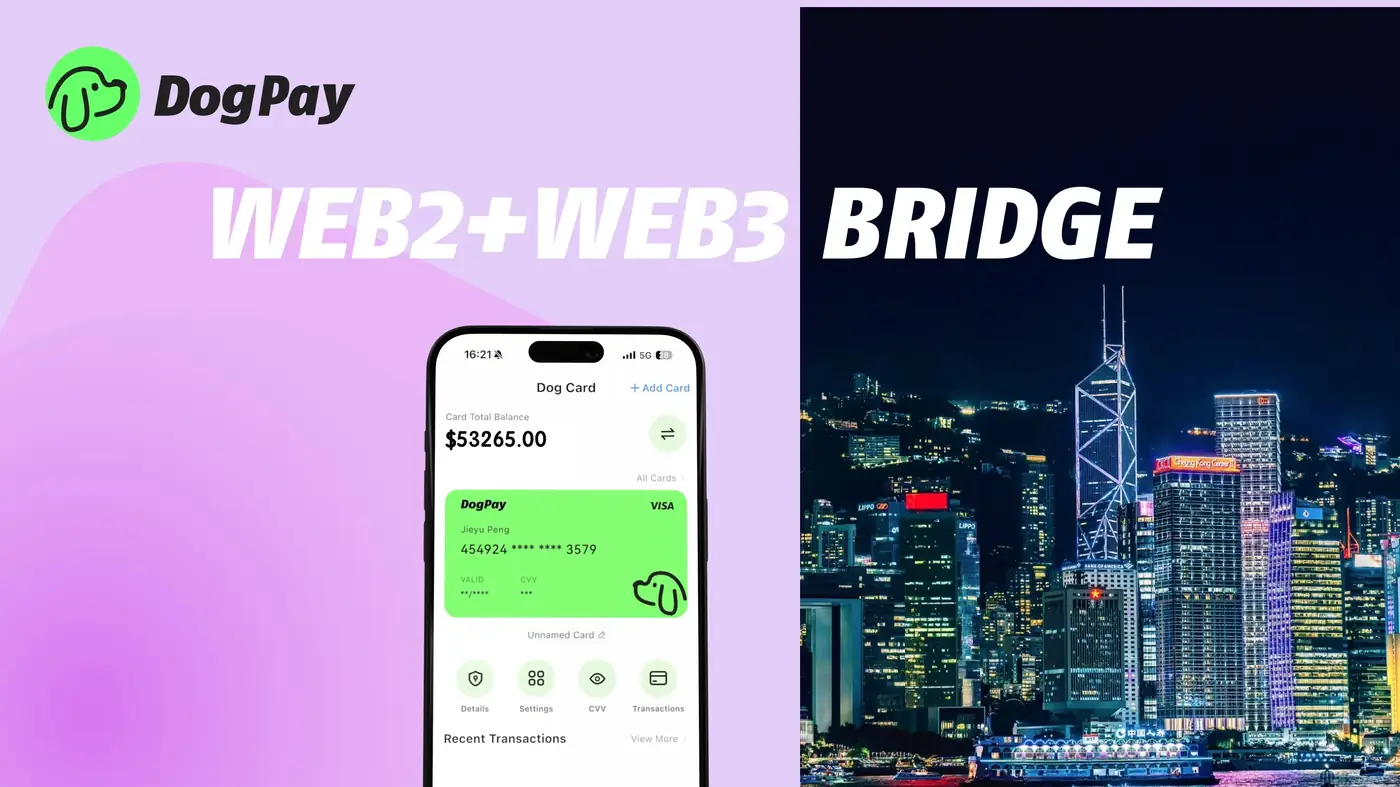
Businesses often need to make purchases at physical retail locations, pay for team meals, or cover travel expenses. DogPay offers physical cards that connect to a global account funded with stablecoins, enabling spending anywhere major cards are accepted. Each card can have custom spending limits and can be frozen or canceled instantly via the dashboard. Transactions are settled in real time using USDC or other supported stablecoins, reducing reliance on traditional banking rails. The card works like a standard debit or prepaid card at point-of-sale terminals, but the funding comes from crypto assets. DogPay provides a spend management interface where finance teams can view all transactions, categorize expenses, and generate reports. This setup is useful for businesses that hold stablecoins and want a practical way to use them for daily operational costs without converting to fiat first. DogPay does not guarantee acceptance at every merchant; card acceptance depends on the merchant's payment network. However, the card is issued through established card networks and can be used wherever those networks are supported. Businesses should verify that their specific merchant locations accept the card network. DogPay supports multiple users with individual cards, each with configurable limits, making it easier to control team spending. The platform also integrates with the DogPay wallet for seamless funding. For companies looking to streamline their payment operations while using digital assets, DogPay physical cards offer a practical bridge between crypto holdings and everyday business expenses.
DogPay fits this workflow by providing the card issuing infrastructure, global account management, and stablecoin settlement. Businesses fund their DogPay wallet with stablecoins, create physical cards for employees or specific purposes, set spending controls, and track every transaction in real time. This eliminates the need to pre-convert crypto to fiat or manage multiple bank accounts. DogPay supports spend visibility, dedicated cards for different cost centers, and payment operations that align with Web3 business models.