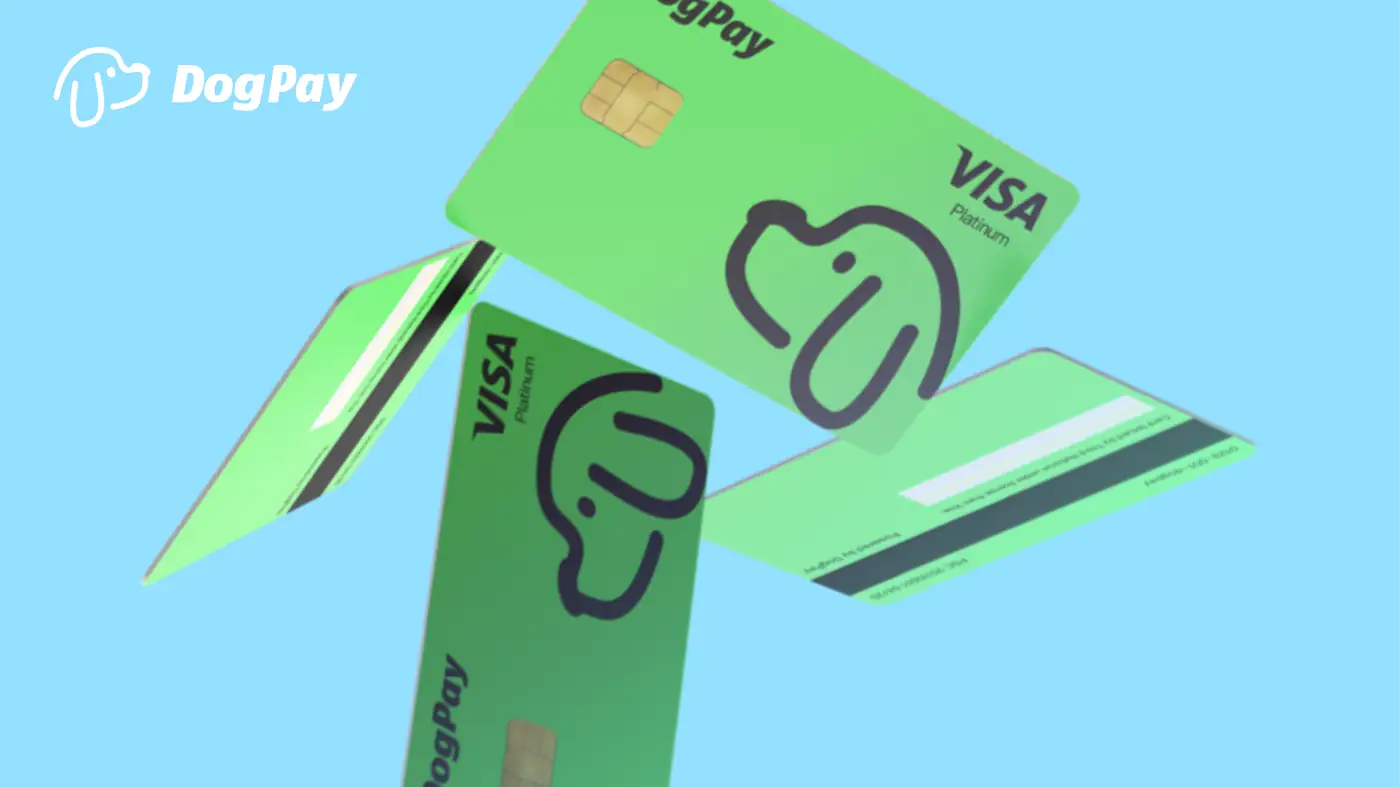
DogPayCard
Managing Claude subscription payments for business teams can be complicated when you rely on a single corporate card. DogPay offers virtual cards that can be set up for recurring billing purposes, giving each team or project its own dedicated card for Claude-related costs. This way, you can keep AI spending separate from other expenses and track usage more clearly.
DogPay operates as a payment platform that supports global accounts and stablecoin settlement, which can be useful for businesses that want to pay for services like Claude without traditional banking friction. The process typically involves funding your DogPay wallet, generating a virtual card, and using those card details for the subscription payment. For recurring charges, the card can be used as long as it has sufficient balance and the payment details remain valid.
DogPay's dashboard provides visibility into spending across cards, helping finance teams monitor monthly subscription costs. You can set limits on cards to control spending, though actual approval depends on your available balance and the merchant's acceptance of the card network. It's important to keep card details updated to avoid disruptions in service.
For businesses that work with international teams or remote contractors, DogPay's stablecoin settlement can simplify cross-border payments. However, always verify that your subscription provider accepts virtual cards from your region and that your chosen funding method works reliably.
DogPay fits into the payment workflow as a flexible tool for recurring billing. It offers dedicated virtual cards, global account capabilities, and stablecoin settlement, along with wallet infrastructure and spend visibility. These features help businesses manage Claude subscription costs with more control, but they don't guarantee uninterrupted billing. Regular monitoring and maintaining sufficient funds remain part of responsible use.