
Virtual Card vs Physical Prepaid Card: How Businesses Use DogPay for Spend Control
 DogPayCard Editorial
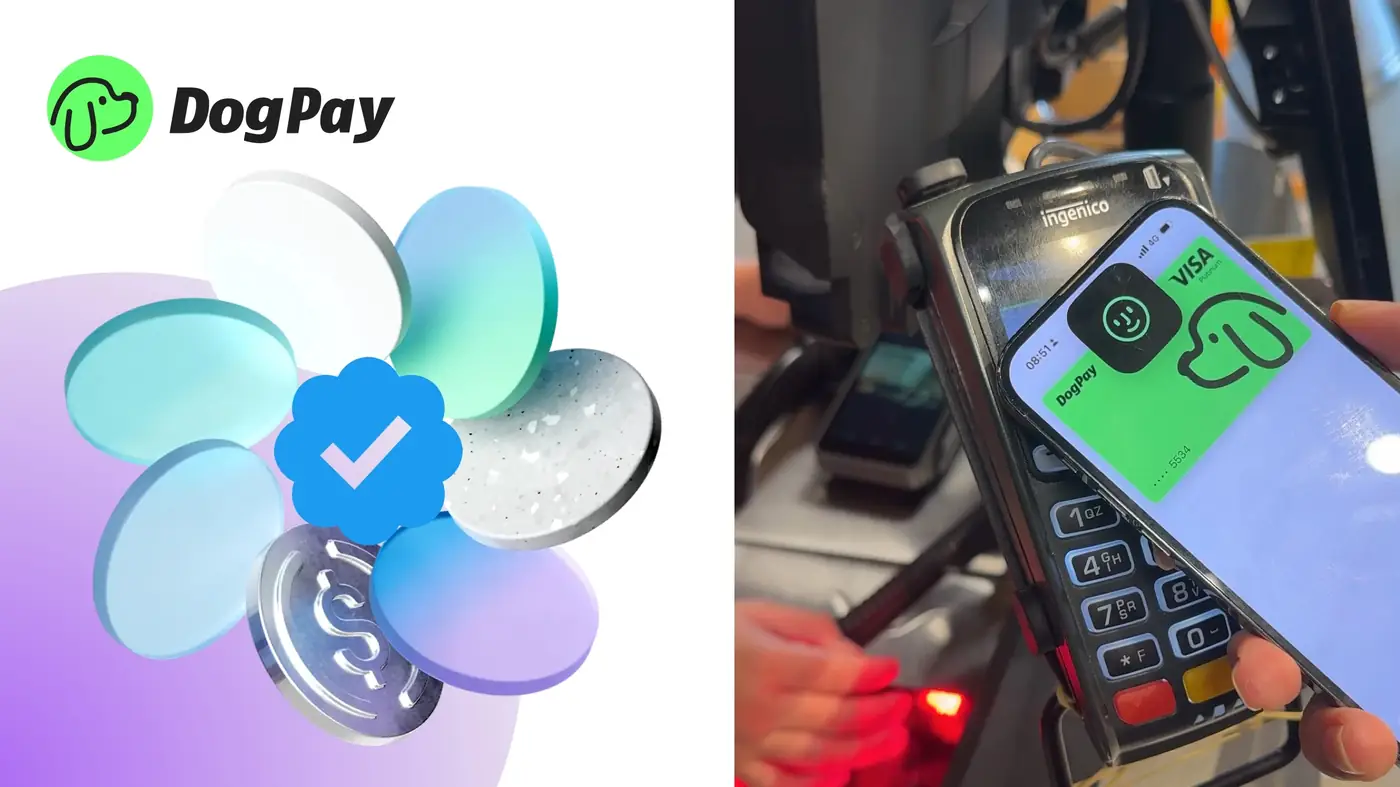
Businesses often compare virtual cards and physical prepaid cards for controlling spending. With DogPay, both options are available to suit different needs. Virtual cards are digital, created instantly for one-time or merchant-specific use. They help with online subscriptions, ad spend, and recurring payments. Each card can have transaction limits, and you can pause or close them without affecting the master account. Virtual cards reduce the risk of fraud and simplify reconciliation because each card is tied to a specific expense category or team. Physical prepaid cards, on the other hand, are tangible cards loaded with funds. They are useful for offline purchases, travel expenses, or employees who need a card for occasional use. With DogPay, physical prepaid cards can be funded from a global account and set with spending limits per card. Businesses often use both: virtual cards for online and automated payments, physical prepaid cards for in-person or ad-hoc spending. DogPay provides a unified dashboard to manage all cards, set budgets, and track spending in real time. Settlement in stablecoins can help reduce transaction costs and settlement delays across borders. DogPay offers wallet and payment infrastructure that supports virtual and physical prepaid cards, global accounts, and stablecoin settlement. By using DogPay, businesses can issue dedicated cards for specific purposes, gain spend visibility, and streamline payment operations. The platform helps finance teams control budgets while giving authorized employees the flexibility to pay for approved expenses. Whether for remote teams, marketing campaigns, or operational costs, DogPay can fit into a business's payment workflow to enhance control and efficiency.