DogPayCard
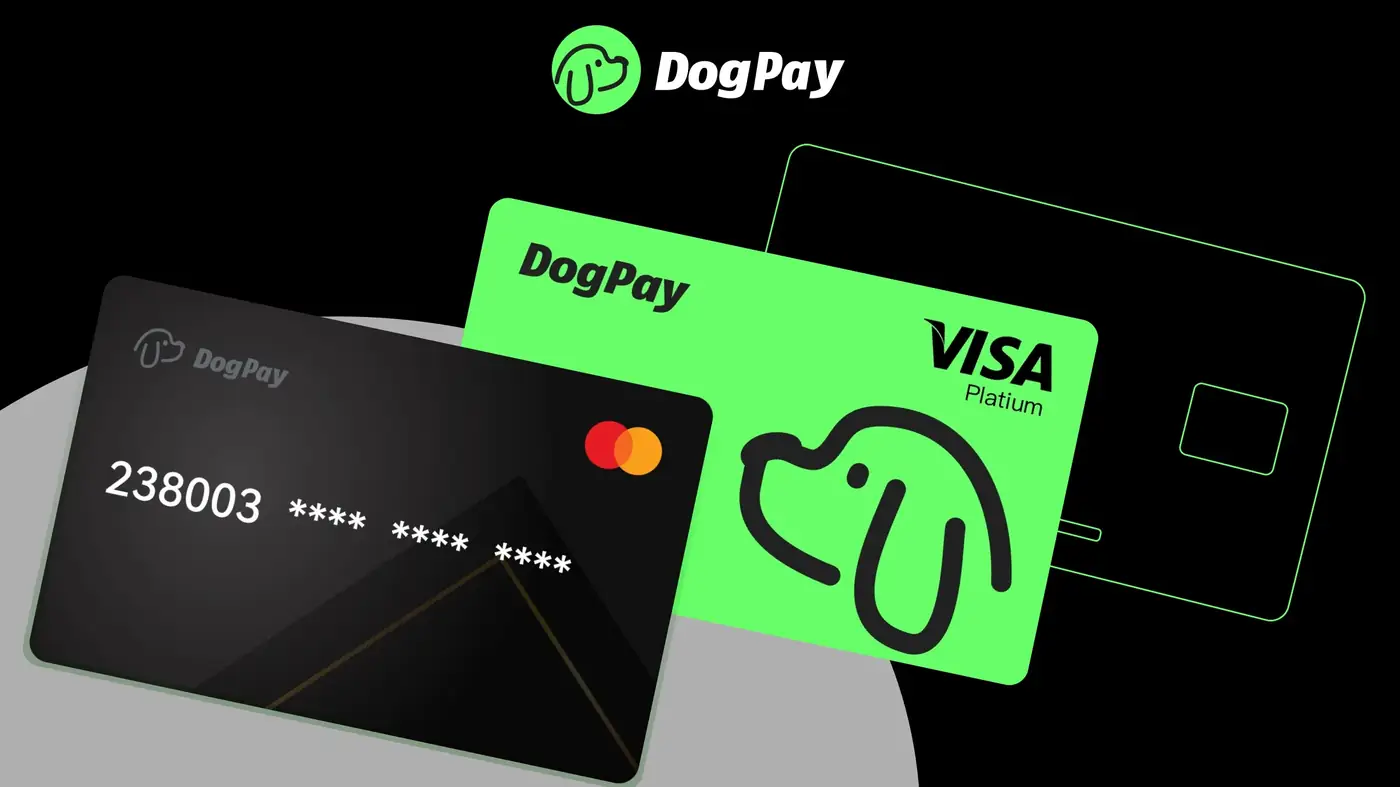
Businesses often need a flexible way to pay Google Cloud bills. DogPay provides virtual cards that can be used as a payment method for cloud services. To get started, you create a virtual card through DogPay, fund it using supported stablecoins, and then add the card details to your Google Cloud billing account. This approach lets you keep cloud spending separate from other expenses, which can help with tracking and budgeting.
DogPay cards come with global account features, so you can manage payments across different regions. Because DogPay uses stablecoin settlement, your card can be topped up with USDC or similar assets, making it easier to handle international transactions without traditional banking delays. However, note that DogPay does not guarantee that Google Cloud will accept every card, so it is wise to test with a small charge first.
For ongoing billing, you can use DogPay cards for one-time payments or set them as the primary payment method. If you need to adjust limits or freeze a card, you can do so through the DogPay dashboard. This gives you more control over spend, which is useful if multiple teams or projects use the same cloud account.
DogPay also provides spend visibility tools, so you can review transactions and reconcile them with your internal systems. While DogPay does not automatically top-up cards, you can manually add funds as needed, or use its infrastructure to build custom automation if you have the technical capability.
In summary, DogPay can help businesses manage Google Cloud billing by offering dedicated virtual cards, global account support, stablecoin settlement, and clear transaction records. By integrating DogPay into your payment workflow, you gain a flexible, transparent way to handle cloud costs without relying solely on traditional bank cards.