DogPayCard
Businesses holding USDT often need a practical way to use those funds for everyday expenses like software subscriptions, ad campaigns, or contractor payments. DogPay offers a workflow that connects stablecoin balances to virtual card spending. Here is a step-by-step look at how that process can work.
First, a business creates a DogPay account and verifies its identity, a standard step for compliance. Once verified, the business can deposit USDT into a DogPay global account. From there, the business can request a virtual card, which is issued and linked to the available USDT balance. When a payment is made, the card transaction is settled in USDT through DogPay's infrastructure.
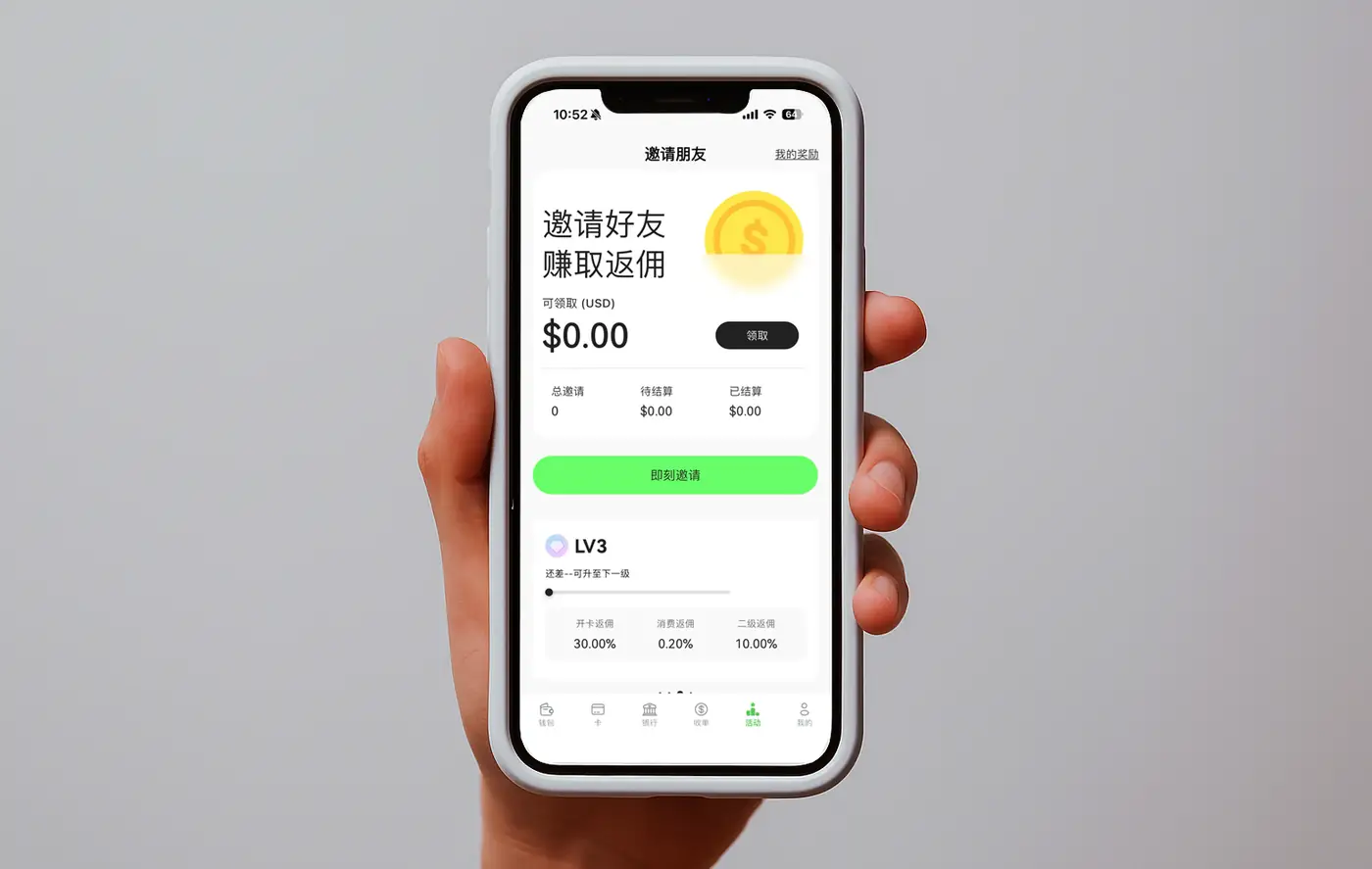
This approach can help businesses reduce the friction of converting crypto to fiat for each payment. Instead, they can use a familiar card payment method while keeping settlement in stablecoins. DogPay also provides spend visibility tools, allowing businesses to track transactions and manage limits per card or per team member.
It is important to note that not all merchants accept virtual cards, and card issuance and acceptance can vary by region and provider. Businesses should verify that their intended purchases are supported. DogPay does not guarantee approval for every transaction or merchant.
For teams handling global spending, this workflow can simplify currency management. Since USDT is pegged to the US dollar, it can help avoid some exchange rate volatility. However, stablecoins are not without risk, and businesses should consult their finance and legal teams before integrating stablecoin payments.
DogPay fits into this payment workflow by providing the account structure, card issuance, and settlement rails that connect USDT balances to everyday card spend. With features like spend controls and transaction records, DogPay can support businesses looking to streamline their stablecoin-based operations.