
SaaS Payment Card Declined? How Businesses Can Use DogPay for Payment Recovery
 DogPayCard Editorial
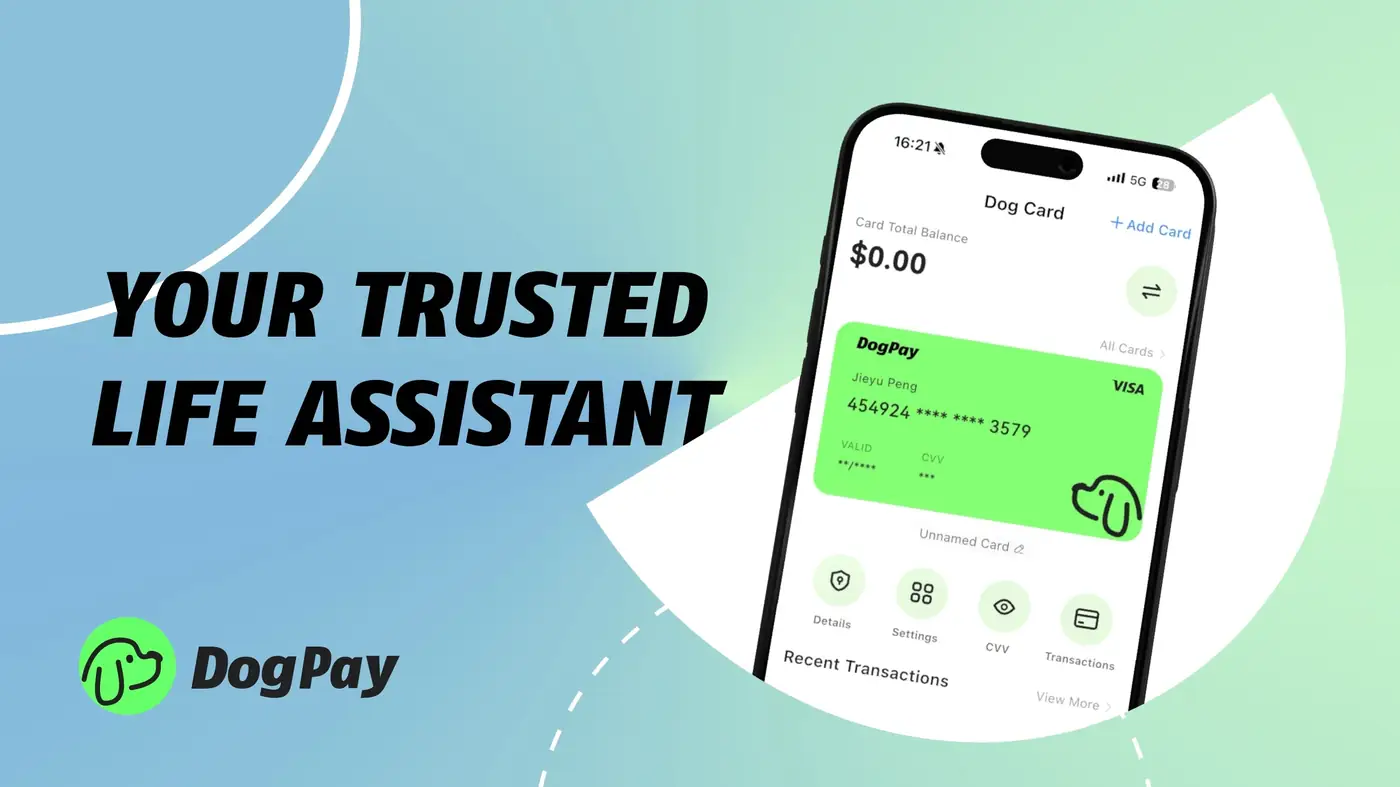
A SaaS payment card decline often happens when a card expires, limits are hit, issuer rules block a merchant category, or cross-border processing fails. For businesses, the impact can be immediate: suspended seats, blocked workflows, or interrupted vendor access. DogPay can help teams respond with more flexible payment infrastructure.
How can businesses use DogPay when a SaaS payment card is declined?
First, replace the failing payment method with a dedicated virtual card. DogPay virtual cards can be issued for specific SaaS vendors, so spend is separated from general operating cards. This can make it easier to manage limits, monitor recurring charges, and reduce the chance that one decline affects unrelated subscriptions.
Second, use global accounts and wallet/payment infrastructure to support cross-border SaaS billing. Many declines involve international merchants, currency mismatches, or local processing rules. DogPay can help businesses manage payment operations across currencies and regions, subject to availability and compliance checks.
Third, consider stablecoin settlement where supported. Stablecoin funding can give businesses an alternative way to hold and move value for eligible payments, depending on jurisdiction and DogPay's compliance review. This is not a guarantee that every merchant will accept a given method.
Fourth, improve spend visibility. After a decline, teams need to know which vendor failed, what amount is due, and whether access is at risk. DogPay can help centralize card and payment records so finance and operations teams can act faster.
For SaaS billing recovery, a practical workflow is: identify the declined charge, issue or assign a suitable DogPay virtual card, review limits and merchant details, complete any required verification, and update the vendor payment method. If the merchant does not accept virtual cards or stablecoin settlement, another supported payment path may be needed.
DogPay fits into the payment workflow as a provider of virtual cards, global accounts, stablecoin settlement, wallet and payment infrastructure, spend visibility, and payment operations. It can help businesses build more resilient SaaS payment processes, but it does not guarantee approval, merchant acceptance, or uninterrupted billing.