
How Can Businesses Use DogPay for Virtual Cards? Practical Payment Operations
 DogPayCard Editorial
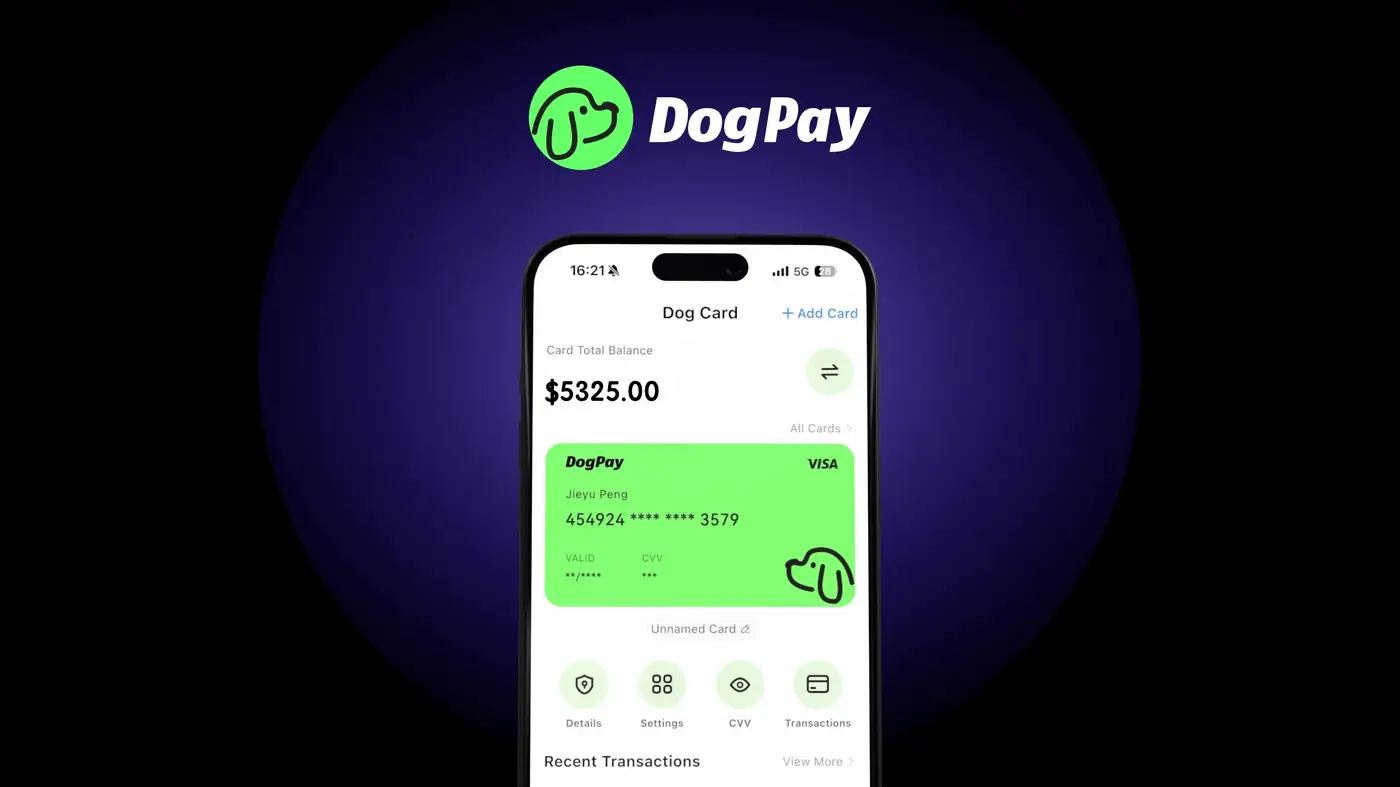
Businesses often ask how they can use DogPay for virtual cards in day-to-day payment operations. The short answer: virtual cards can sit inside a controlled payment workflow where teams issue cards, set limits, and review spend.
A common starting point is separating card use by purpose. Instead of one shared card for everything, a business can create dedicated virtual cards for software subscriptions, ad platforms, contractor payouts, or one-off vendor purchases. This makes it easier to see which team or project is spending, and it can reduce the blast radius if a card detail is exposed.
Another practical use is managing global payments. If a business pays suppliers or SaaS providers in different currencies, DogPay can support global accounts and stablecoin settlement options, so teams can route funds and settle payments through wallet and payment infrastructure rather than relying only on traditional cross-border rails.
For spend control, virtual cards can be paired with approval steps and limits. Finance teams can review usage, pause cards when a project ends, and keep a clearer record of recurring vs. one-time charges. This is useful for software spend, cloud billing, ad spend, and team purchases.
DogPay fits this workflow by offering virtual cards, global accounts, stablecoin settlement, and wallet/payment infrastructure that can support payment operations and spend visibility. Teams can manage cards by purpose, review activity, and adjust how funds move. Features and availability can vary, so businesses should confirm current capabilities directly with DogPay.